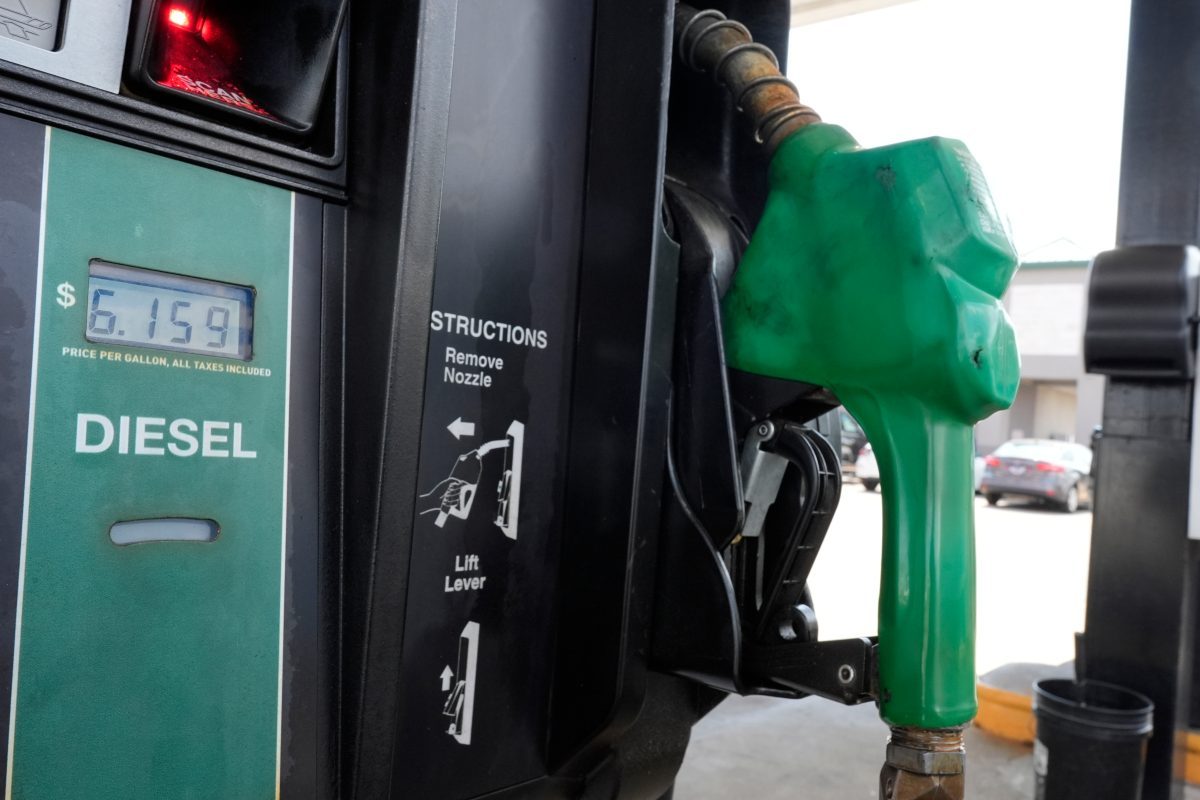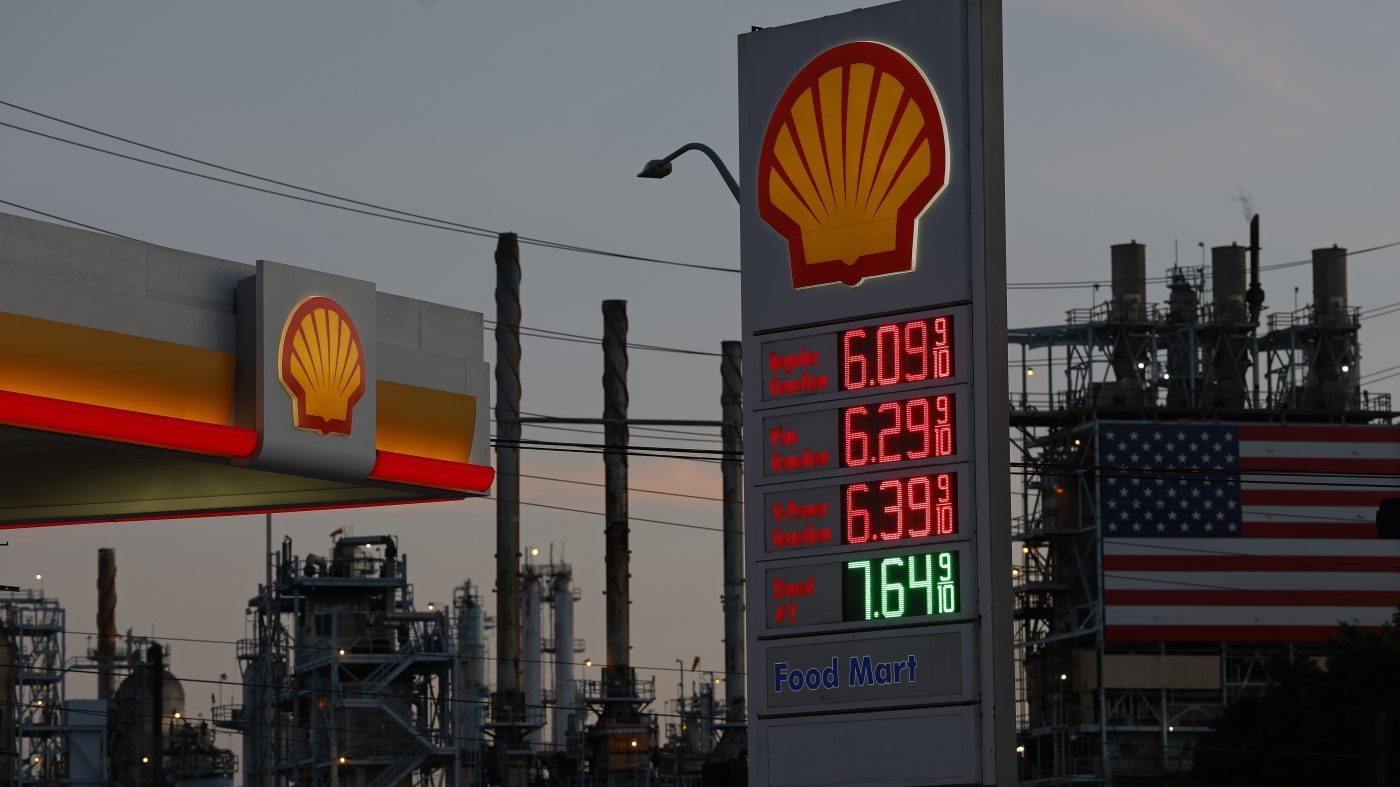
Drivers across the Great Lakes region got a jolt at the pump this week as gasoline prices shot up overnight in five states, breaking through the $4-per-gallon mark that had held steady since the Middle East conflict escalated last month. The sudden spike, driven by refinery disruptions and seasonal maintenance, has left motorists in Michigan, Indiana, Ohio, Wisconsin, and Illinois scrambling as average prices now hover well above the national baseline.
According to Patrick De Haan, head of petroleum analysis at GasBuddy, Illinois is within a cent of $5 per gallon as of Wednesday afternoon, while the other four states have surged past $4. This marks a sharp reversal for a region that had largely avoided the steepest price increases seen elsewhere in the country since the Iran crisis began. De Haan had warned on Tuesday that these states could see fuel costs rocket up due to what he called “continued refinery challenges in the region.”
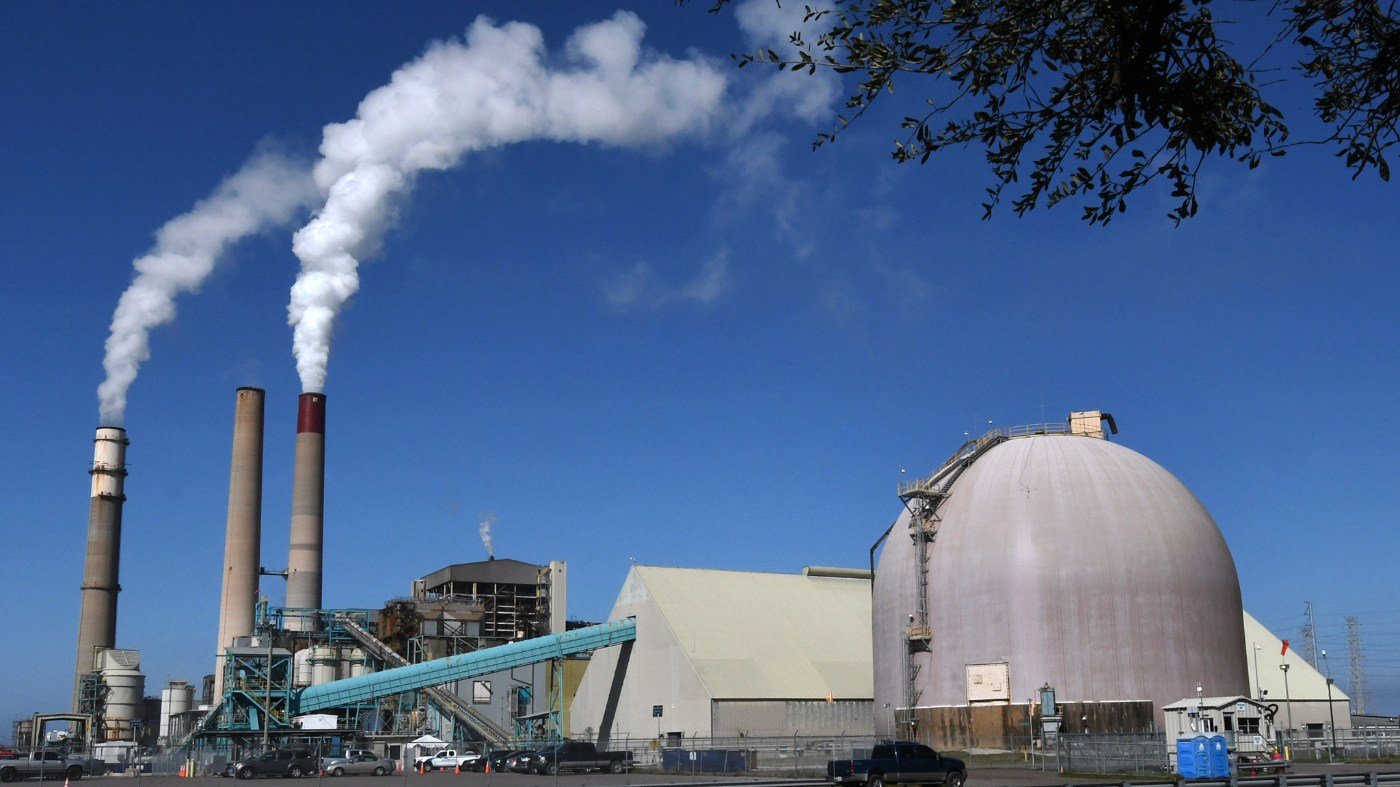
The primary culprit is BP’s Whiting Refinery in Indiana, one of the largest in the Midwest, which suffered an outage on Monday amid an ongoing labor dispute. Local reports indicate the facility’s shutdown has tightened supply just as refineries typically undergo spring maintenance, further constraining output. The combination of planned and unplanned downtime has created a perfect storm for price spikes, analysts say.
This development comes as broader geopolitical tensions continue to roil energy markets. The Trump administration has been weighing an extended Iran blockade to pressure Tehran over stalled nuclear talks, a move that has already pushed national gas prices to four-year highs. A recent poll found that 77% of voters hold President Trump accountable for surging gas prices amid the Iran crisis, underscoring the political stakes for the White House.
The regional impact could spread beyond the initial five states. De Haan noted that neighboring states like Minnesota, Iowa, and Missouri may see price increases if the refinery issues persist or if supply disruptions ripple through pipelines. The Great Lakes region relies heavily on a few key refineries, making it vulnerable to localized outages.
For consumers, the immediate outlook is grim. With spring maintenance season just beginning and no quick resolution in sight for the Whiting labor dispute, experts expect prices to remain elevated for at least several weeks. Some warehouse clubs have slashed gas prices by 25 cents as a competitive strategy, but that offers little relief to drivers in affected states.
Politically, the price surge adds fuel to an already heated debate over energy policy. Trump has extended a Jones Act waiver to ease gas prices amid the Iran conflict, but critics argue such measures are insufficient. Meanwhile, BP’s profits doubled to $3.2 billion in the last quarter, driven by higher oil prices from the Iran conflict, drawing scrutiny from lawmakers who question whether the company is profiteering from the crisis.
As the situation evolves, drivers in the Great Lakes region are left watching the pump with growing anxiety, while policymakers in Washington and state capitals scramble for solutions. The next few weeks will be critical in determining whether this is a temporary blip or the start of a broader price surge.