The Trump administration's aggressive push against Iran was supposed to cripple Tehran's economy and force a quick diplomatic resolution. Instead, it has handed Moscow an unexpected financial windfall that undermines years of Western sanctions pressure.
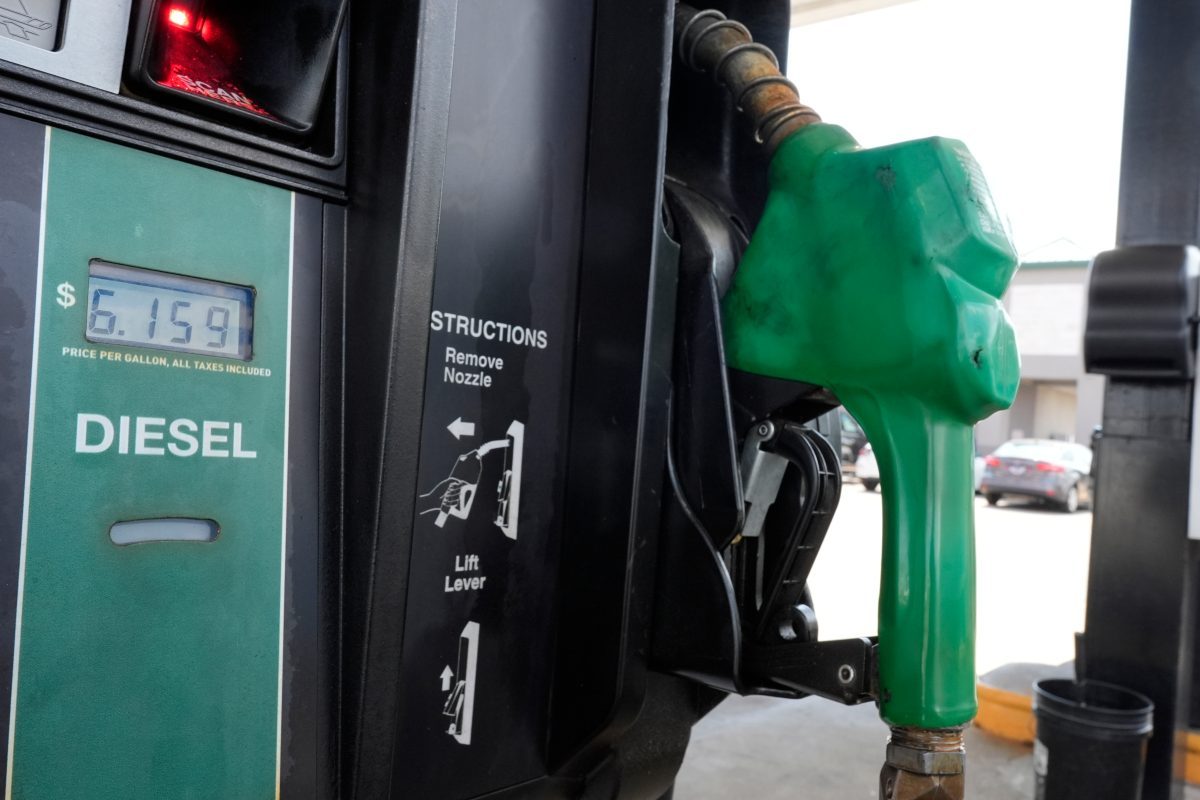
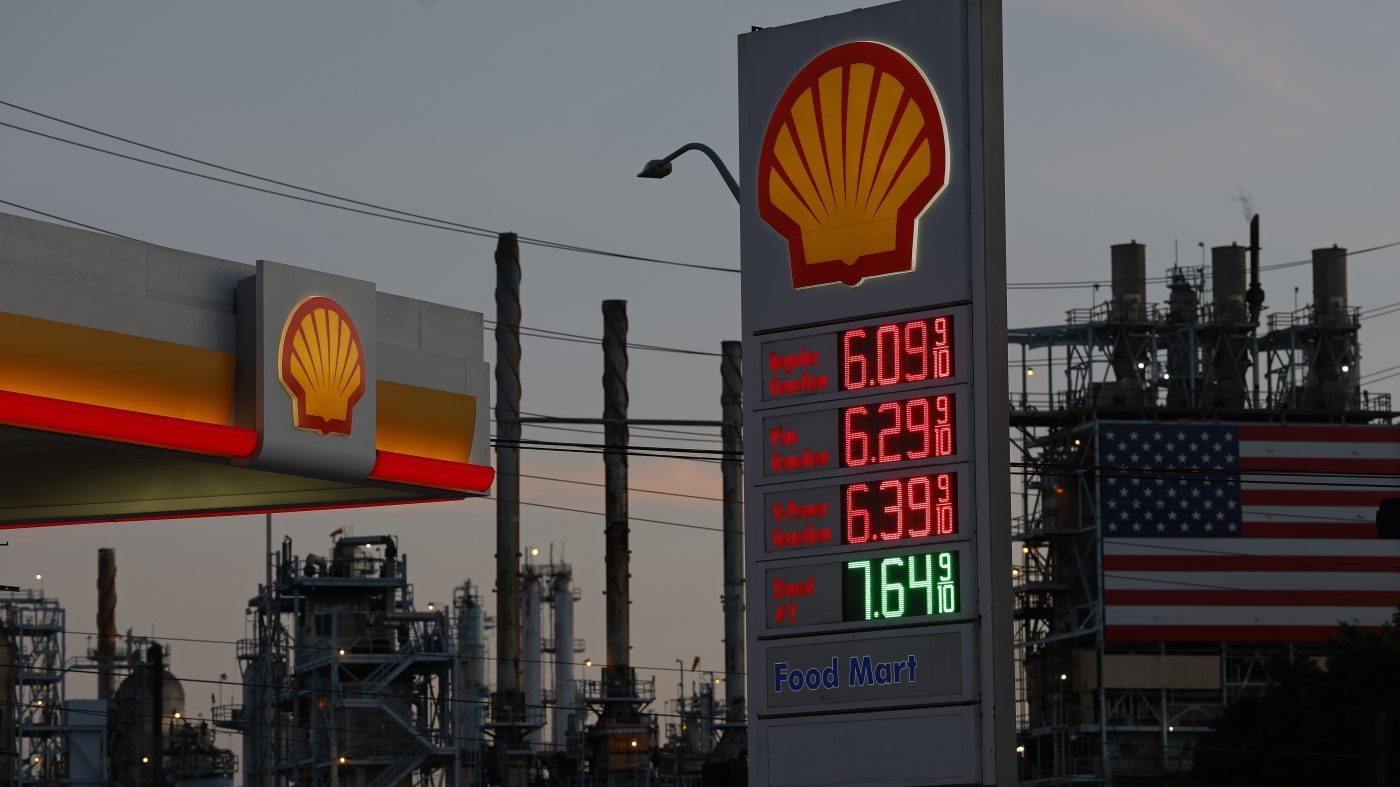
With roughly one-fifth of global energy flows cut off by the closure of the Strait of Hormuz, tanker traffic has stalled and insurance costs have skyrocketed. While the United States has been relatively insulated, countries across Asia and Oceania face severe supply shortages with few alternatives.
Reactive Waivers and Poor Planning
In response to rising prices and political pressure, Washington rushed out a series of sanctions waivers tied to Russian energy. General licenses authorizing sales of Russian crude oil were meant to calm markets but failed to do so. The initial wording of license 134 didn't even account for deliveries to jurisdictions like Cuba and North Korea, requiring a rapid fix in license 134A. The lack of transparency and coherence has made it impossible to track the real impact in real time.
Treasury Secretary Scott Bessent's erratic messaging only worsened the confusion. His talk of "jiu-jitsuing" adversaries and flip-flopping on whether to extend Russian sanctions waivers has left no country able to make energy decisions with even short-term clarity.
Russia's Price Rebound
Before the conflict, Russian Urals crude traded at a notable discount to Brent. Sanctions forced Moscow to sell below market price. That constraint has now vanished. Russian barrels now trade at parity or even a premium to Brent. Even conservative estimates point to a multi-billion-dollar windfall from the combination of sanctions easing and a supply-constrained market.
Not every dollar of Russia's revenue surge comes from these waivers, but the direction is unmistakable. The closure of Hormuz is no short-term disruption. Mine clearing takes time, security guarantees take longer, and restoring normal tanker flow requires weeks of stability.
Asia's Energy Dilemma
Asia and Oceania don't have that time. Gulf Cooperation Council countries can't fully compensate when a major transit corridor is blocked. Demand destruction leads to blackouts, industrial shutdowns, and economic contraction. That leaves one pressure valve large enough to stave off crisis: Russian energy.
For nearly five years, Western sanctions assumed restricting Russian energy exports would weaken Moscow. That assumption no longer holds. Now, restricting Russian energy risks compounding an already fragile supply situation. But expanding access comes with its own cost: every barrel sold at higher prices strengthens the war chest the West spent years trying to constrain.
A Flawed Strategy
That is the reality Washington now faces. Continue the current approach, and energy shortages deepen across Asia and Oceania. Expand sanctions relief, and Russia benefits financially in ways that unwind years of work. This is not an accident. It is the result of a strategy called Operation Economic Fury that failed to account for a prolonged conflict. The plan was designed to force a quick diplomatic resolution through economic strain, but the rest of the world cannot wait.
Washington did not just fail to force Tehran to capitulate; it created the conditions under which Russia can thrive. In doing so, it risks undoing years of economic pressure on Moscow in a matter of months. These are the costs of poor planning, poor execution, and playing a waiting game with a regime that has planned for this for 47 years.
The Trump administration may claim short-term pain for long-term gain, but the reality is the opposite. As the transit of a Russian oligarch's yacht through Hormuz amid the standoff illustrates, Moscow is already exploiting the chaos. Meanwhile, Taiwan's strategic value to the US remains undimmed, but the energy crisis tests alliances. And as Chevron's CEO warns, the jet fuel crisis will only worsen as the conflict disrupts global supply.