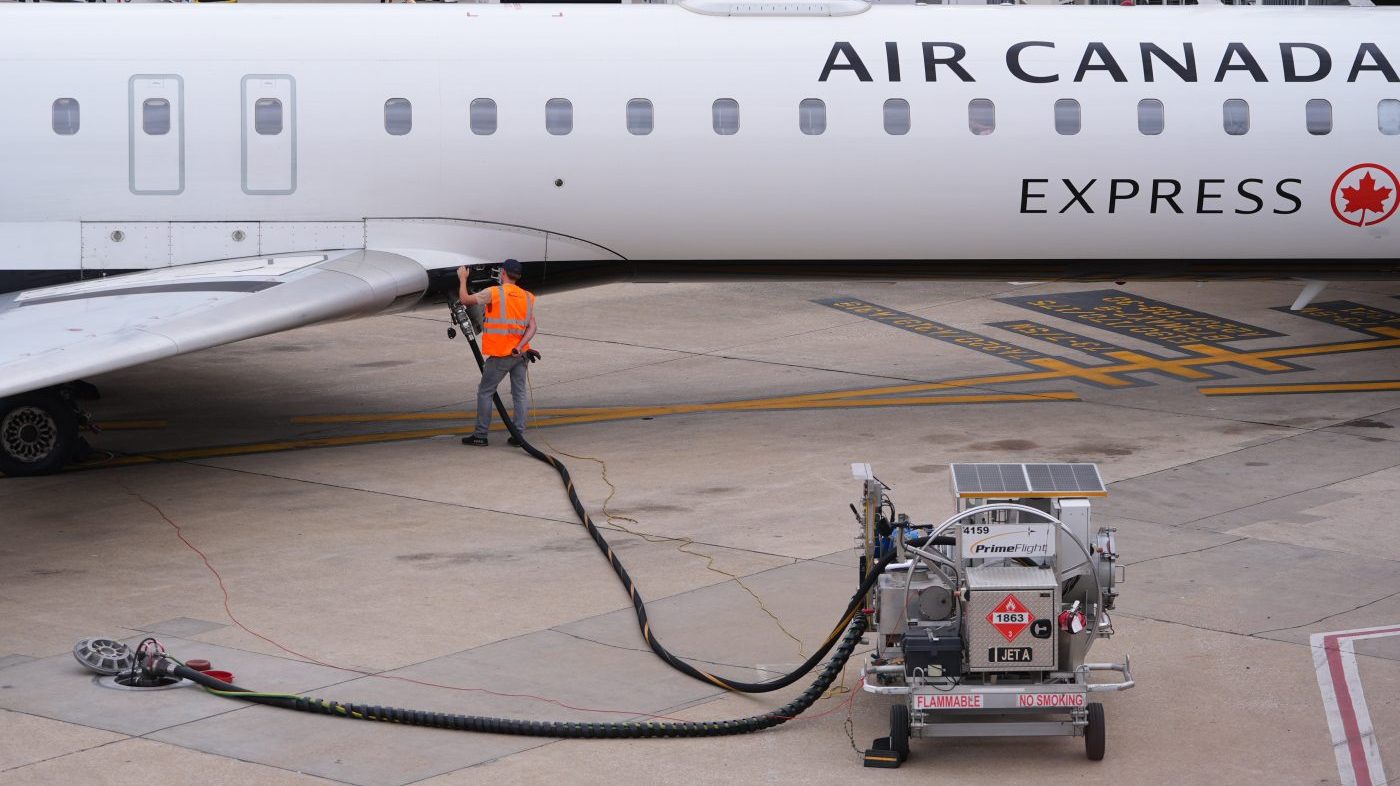
Chevron CEO Mike Wirth issued a stark warning Sunday: the aviation industry's jet fuel crisis is far from over and will likely intensify in the coming weeks, as Iranian military actions continue to choke off a key global shipping route.
Appearing on CBS News's Face the Nation, Wirth said that pre-existing low inventories of jet fuel in several regions have been compounded by the conflict. “Inventories of jet fuel in certain parts of the world were at seasonally, relatively low levels before the conflict began,” he told host Margaret Brennan. He noted that Middle Eastern refineries are major suppliers, especially to Europe, which gets about 75 percent of its imported jet fuel from those facilities. “It’s not flowing today,” Wirth added.
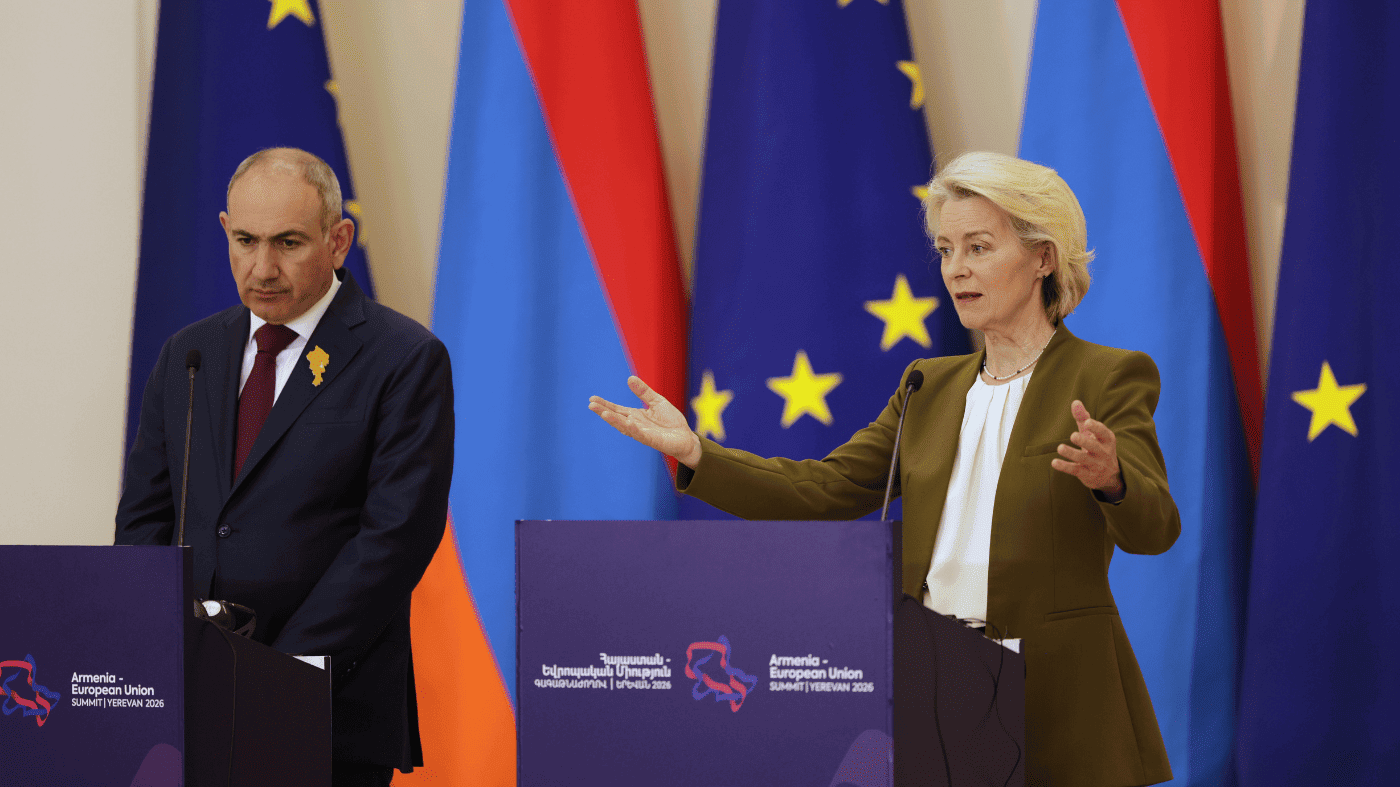
The crisis stems from Iranian restrictions on shipping through the Strait of Hormuz, a narrow waterway that handles roughly one-fifth of the world's oil supply. Since late February, when the U.S. and Israel launched strikes on Iran, crude oil prices have surged, pushing up the cost of jet fuel, which is refined from crude. The U.S. Navy has enforced a blockade of the strait since April 13, further tightening supply.
Despite a 6.7 percent dip in the global average jet fuel price last week, according to the International Air Travel Association, U.S. prices have skyrocketed. Data from the Argus U.S. Jet Fuel Index, published by Airlines for America, shows the price per gallon jumped from $2.50 just before the war began to $4.19 on Friday.
Airlines are already feeling the heat. International carriers have slashed flight schedules and hiked fares. Domestically, United Airlines became the first major U.S. carrier to scale back operations last month, with CEO Scott Kirby announcing plans to cut roughly 5 percent of planned routes in the second and third quarters. Delta Air Lines has also signaled it will trim flights this summer, according to USA Today.
Wirth predicted the cascading effects will be felt most acutely by passengers. “I think aviation is clearly an area where it’s going to probably get worse over the next few weeks,” he said. He warned that flights “may not be as abundant as they otherwise” would be, and planes will likely be “more full than they would have been.” Already, the average airfare for U.S. flights rose by more than $7.57 from February to March, according to Bureau of Labor Statistics data compiled by the Federal Reserve Bank of St. Louis.
The crisis is part of a broader energy market disruption linked to the Iran conflict. In a related development, the Pentagon issued an urgent cybersecurity directive to personnel amid heightened tensions with Tehran, reflecting concerns over potential retaliatory attacks on critical infrastructure. Meanwhile, the U.S. State Department has urged Americans to leave Iran despite a ceasefire, underscoring the volatile security environment.
The White House has not yet announced any emergency measures to stabilize jet fuel supplies, but industry observers say the situation could prompt calls for tapping the Strategic Petroleum Reserve or expediting refinery output. For now, passengers and airlines alike face a summer of higher costs and tighter seats.