The United States and a coalition of international and commercial allies are locked in a renewed race to the moon with China. The stakes: being the first to land humans on the lunar surface since Apollo 17 in 1972 and establishing a permanent base. This competition has galvanized support for NASA's Artemis program, but not everyone is cheering.
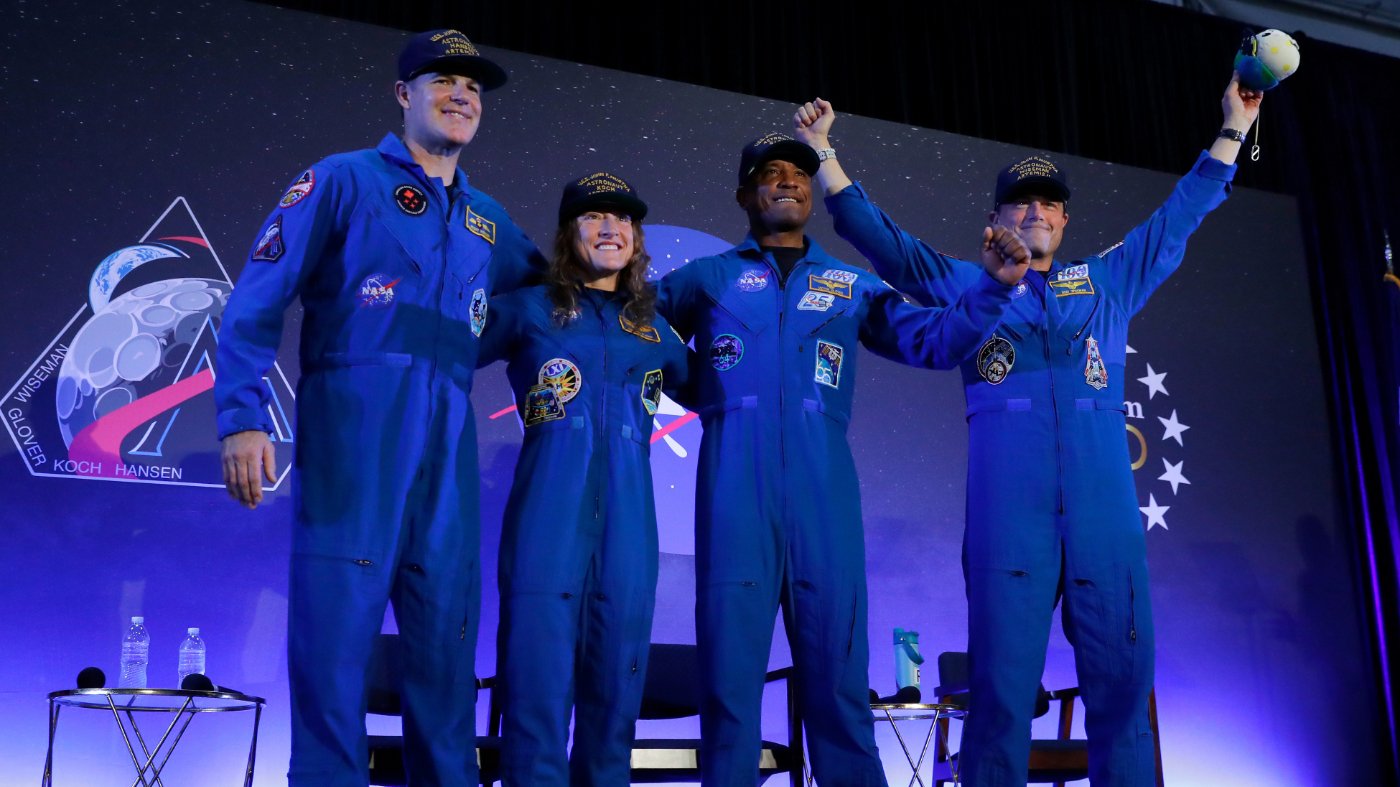
The editorial board of the British journal Nature has argued that space exploration should be purely cooperative, without the messy dynamics of a superpower race. They point to Artemis II, which includes a Canadian astronaut, a European Space Agency service module, and tracking support from nations like Australia, as a model of collaboration. China, meanwhile, has its own International Lunar Research Station with partners including Russia, Egypt, and Pakistan.

But cooperation and competition are not mutually exclusive. The real problem with a joint U.S.-China lunar program is Beijing's track record. China has engaged in intellectual property theft and economic coercion, used its Belt and Road Initiative to create debt traps for developing nations, and committed human rights abuses against Uyghurs and Christians. Its military buildup and threats to Taiwan—an independent democracy Beijing claims as sovereign territory—have heightened tensions. China has also provided arms to Iran, with whom the U.S., Israel, and Gulf states are in a shooting war, and runs a massive influence campaign through TikTok and Confucius Institutes.
Given this behavior, why would the U.S. facilitate China's imperial ambitions on the moon? Some point to American cooperation with Russia on the International Space Station, but that partnership began after the Soviet Union's collapse, during a period of relatively friendly relations, and persists only because it benefits both sides. No such arrangement exists for Artemis.
Previous attempts at U.S.-Soviet space partnerships, like the Apollo-Soyuz Test Project, were one-off affairs. Carl Sagan's proposal for a joint Mars expedition in the 1980s went nowhere. A Sino-American lunar program can only happen if Beijing proves it can play well with others—something it has so far failed to do.
Space races, on the other hand, have a proven track record. Just over eight years after President John F. Kennedy's challenge, Americans walked on the moon. But once the race was won, NASA slipped into bureaucratic inertia. The space shuttle and ISS were great achievements, but costly and lacking excitement. Without a race, earlier attempts to return to the moon under Presidents George H.W. Bush and George W. Bush fizzled.
Only with the rise of China as a hostile space power has the third attempt to go back to the moon gained traction and near-universal support. Artemis II has been celebrated like no mission since Apollo's heyday.
The starting gun has fired. The prize is not just the first flag on the lunar soil, but the moon, Mars, and beyond—with all the scientific, economic, and prestige rewards they hold. For more on the geopolitical stakes, see our coverage of China's industrial-scale AI theft charges and U.S. seizures of Iranian oil tankers.