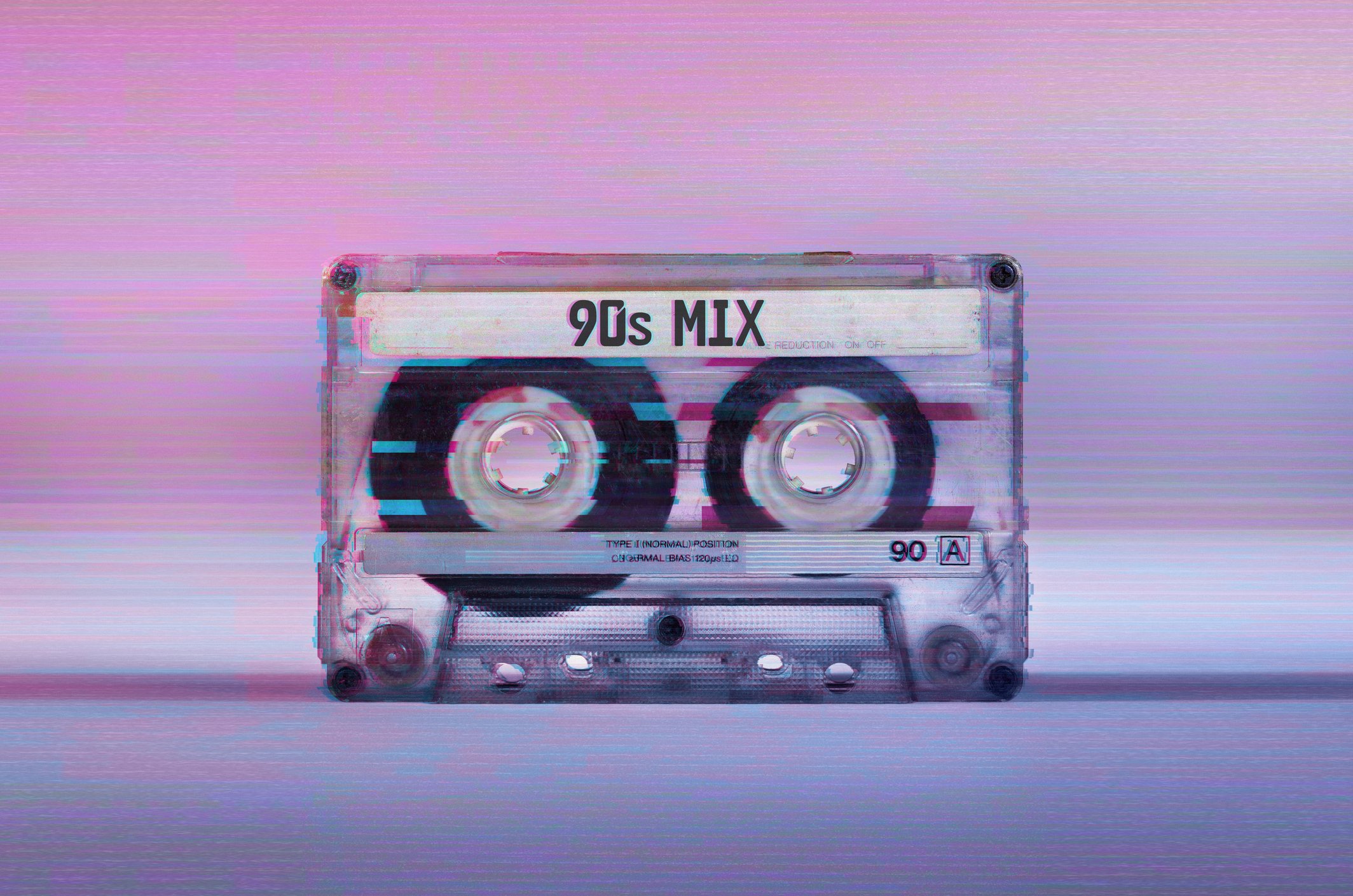
Nostalgia for the 1990s isn't a new phenomenon, but its grip on Gen Z has deepened. From vintage film cameras to low-rise jeans, young people who never lived through the decade are embracing its aesthetics and ethos. The recent success of Ryan Murphy's Hulu docuseries Love Story—Disney Plus's most-streamed drama ever—has crystallized this trend, and it's prompting a political question: Can Democrats harness this longing?
The show's appeal, as many critics have noted, lies in its portrayal of a young, attractive couple navigating a pre-digital world, wrapped in the mystique of the Kennedy family. For Gen Z, it's a respite from a reality defined by expensive trends, disappointing dating apps, and isolating algorithms. They envy Carolyn's minimalist style and the couple's real-life meet-cute; they miss the era when everyone read the same headlines. But Love Story isn't just entertainment—it's a cultural signal that could influence political attitudes.
At its core, 1990s nostalgia boils down to two desires: a shared common culture and genuine in-person connection. Conservatives have long tapped into this, with figures like Dan Bongino and Candace Owens invoking 'simpler times' that, in reality, were often more homogenous and exclusionary—rooted in a patriarchal, racist, and heteronormative past. But this nostalgia doesn't have to belong to the right. The left can reclaim it, even if 'progressive nostalgia' sounds like an oxymoron.
Democrats could start by improving their storytelling. Nostalgia thrives on concrete memories, not abstract future ideals. Instead of promising a world where everyone can love freely, they could evoke the Supreme Court's 1967 ruling on interracial marriage—a moment of consensus and progress. As the party debates its midterm strategy, such narratives could bridge the gap between anti-Trump anger and a positive vision.
Another avenue is fostering real-world community. Gen Z is the loneliest generation on record, and any political movement that can create inclusive, healthy gathering spaces will gain an edge. Digital organizing remains crucial, but it must be balanced with in-person activations that build trust and connection. When those spaces thrive, viral content follows naturally.
The Democratic mantra 'We're not going back' is a defensive posture, understandable given the Trump administration's rollbacks on civil rights. But it leaves a nostalgia gap. 'Make America Great Again' doesn't capture the same yearning for the 90s that Love Story evokes—a yearning for a less fragmented, more connected world. Democrats have an opportunity to own that gap, to offer a vision that doesn't just resist the past but reclaims its best parts for a more inclusive future.
Ani Feinberg, a Washington-based digital strategist, argues that this moment demands a serious conversation about what Gen Z's longing for a decade they never knew really means. It's not about returning to a flawed past; it's about finding the threads of common culture and human connection that can be rewoven into a better political fabric. As House Democrats push for votes on key issues, they might also consider how to speak to this deeper desire.