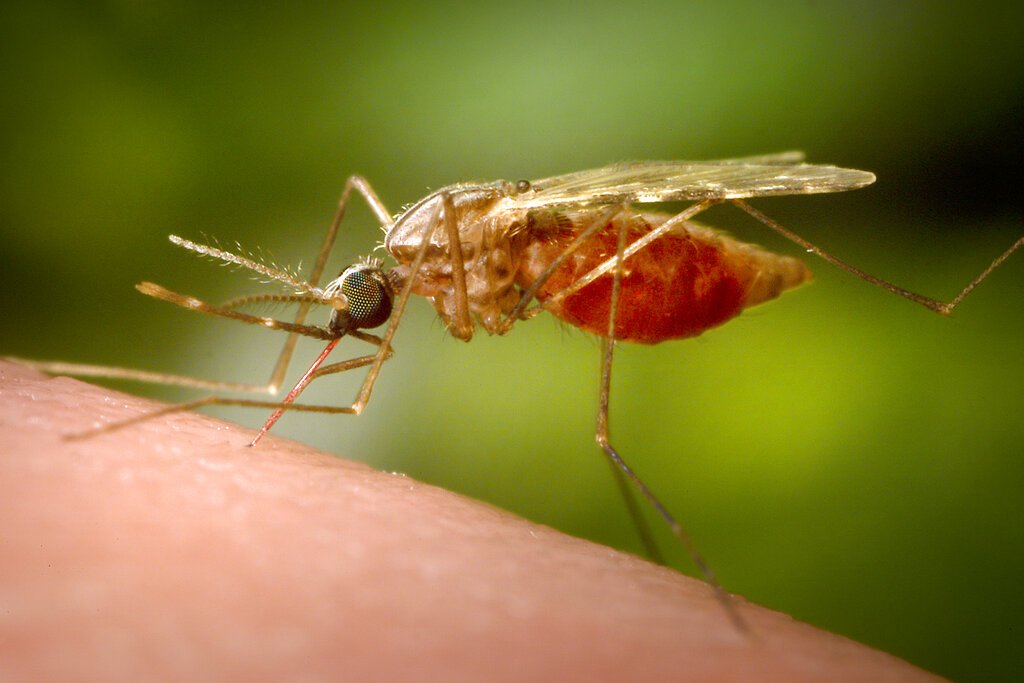
The U.S. President's Malaria Initiative, launched in 2005, stands as one of the most effective American overseas programs. In partnership with the Global Fund to Fight AIDS, Tuberculosis and Malaria, it has cut malaria death rates in supported countries by nearly half. These efforts have prevented more than 2 billion cases and saved 14 million lives, most of them children. This track record underscores American leadership and reinforces the United States' reputation as a reliable partner in global health security.
However, data now shows progress is stalling in parts of the world. The disease is evolving: mosquitoes are adapting to decades-old tools, and once-effective drugs and insecticides are losing their potency. Malaria has become the leading killer of children in many African countries. This resurgence poses a direct threat not just to affected regions but to American economic and national security, as infectious diseases do not respect borders.
Fighting malaria should be central to the Trump administration's America First Global Health Strategy. The strategy rightly prioritizes areas where the U.S. holds a distinct advantage—particularly through American innovation—rather than trying to do everything everywhere. Malaria fits this vision well.
Breakthrough technologies developed and manufactured in the U.S. offer new hope. For instance, spatial repellents from SC Johnson can protect families without constant compliance. Rapid diagnostics enable earlier treatment, while advanced vector-control methods and new medicines aim to outpace resistance. Malaria vaccines, introduced through global immunization partnerships, can reduce severe disease and child mortality when combined with bed nets and preventive treatments.
None of these tactics is a silver bullet alone, but together they provide a real shot at wiping out malaria. This is not just about doing the right thing; it is about doing the smart thing. Healthier countries are more stable, better trading partners, and less likely to produce instability that leads to conflict or migration pressures at the U.S. border. For American businesses, this creates opportunities. For the U.S. military, the stakes are even clearer: in tropical environments, malaria has historically sidelined more troops than combat. The Walter Reed Army Institute of Research has spent decades investing in malaria prevention and treatment—fighting the disease is not charity, it is force protection.
Malaria programs have enjoyed bipartisan support because they work and serve American interests. One practical step to strengthen this effort is restoring clear accountability by transferring the powers of the U.S. Global Malaria Coordinator to a leader at the State Department. A senior official with real authority over budget and strategy—responsible for outcomes, not just process—would keep taxpayer investments focused and effective.
If the U.S. loses focus now, malaria will come back stronger, costing more money in the long run. Adversaries like China are ready to step in where the U.S. pulls back. The country is closer than ever to ending malaria, thanks to sustained engagement, focus, and demand for results. Finishing the job does not require a spending spree; it demands discipline, backing what works, and continuing to invest in American innovation. This is a fight the U.S. can win.