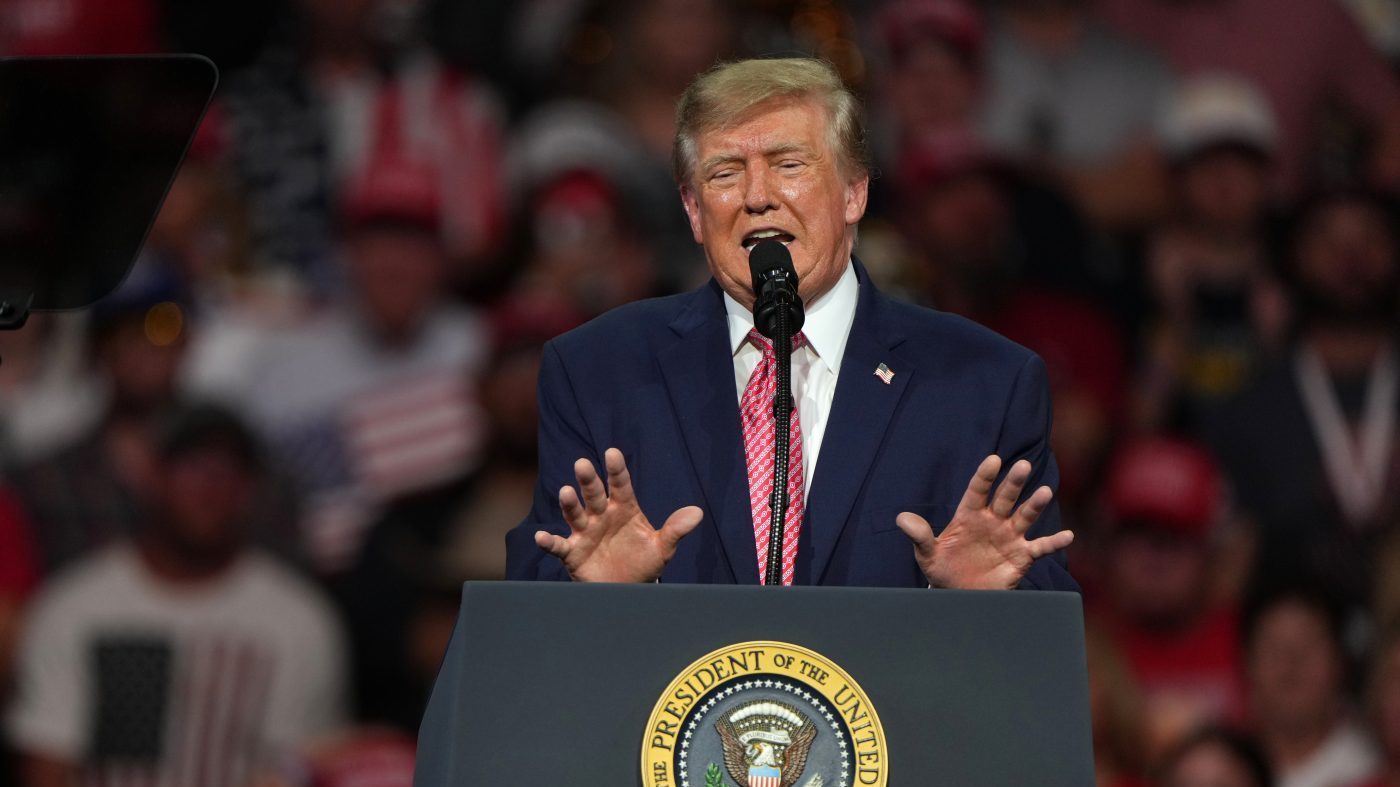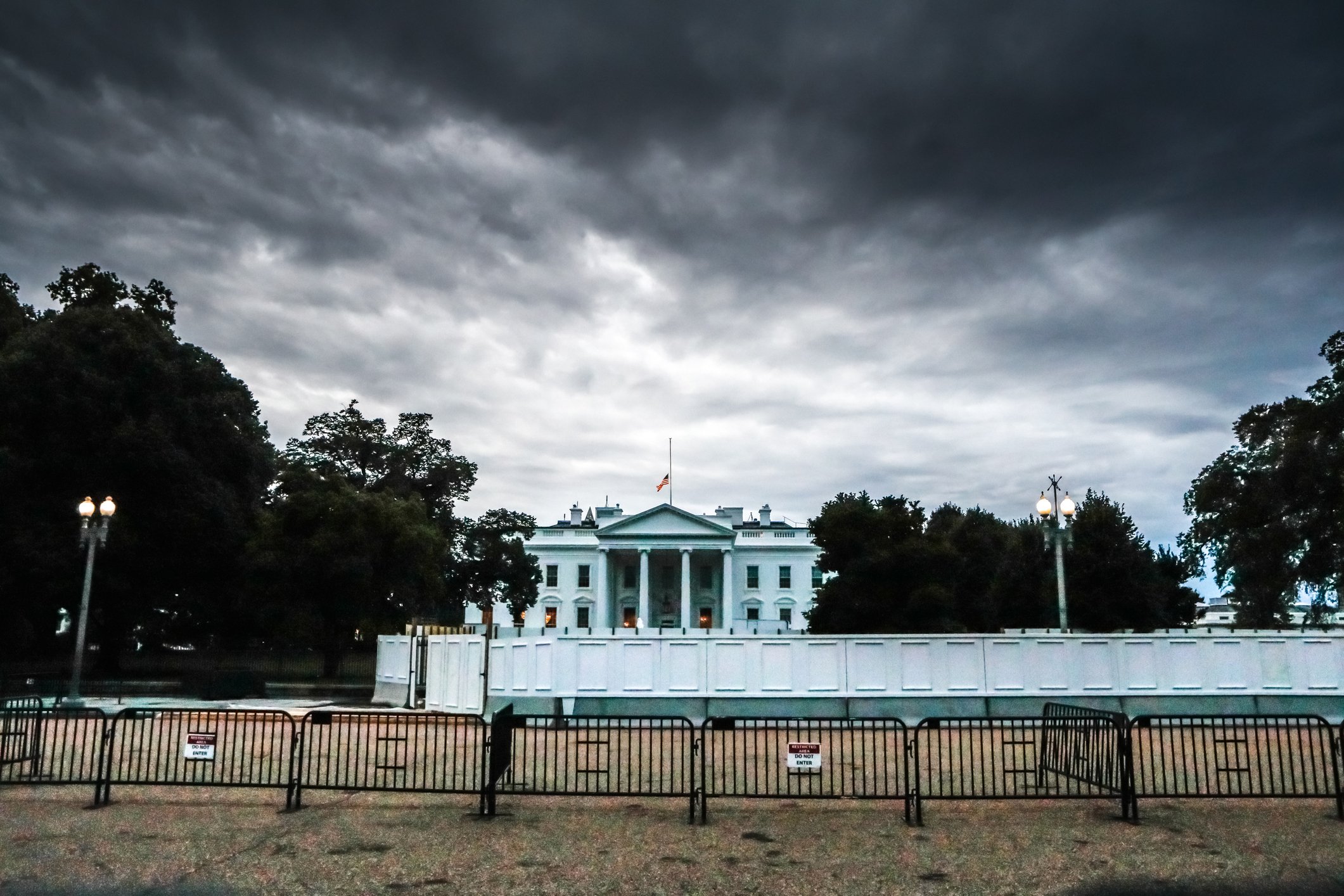
President Trump has escalated his campaign to transform the federal workforce into an arm of the White House, threatening to fire Federal Reserve Chairman Jerome Powell if he does not resign when his term ends. Trump has publicly called Powell “incompetent,” “crooked,” and “a TOTAL LOSER,” part of a broader effort to install loyalists in positions traditionally insulated from political pressure.
Federal prosecutors, likely acting at the president’s direction, investigated whether Powell misled Congress about renovations to the Fed’s headquarters. A federal judge overseeing the case found “essentially zero evidence” of a crime and suggested the subpoenas were intended “to pressure [Powell] into voting for lower interest rates or resigning.” The move is part of Trump’s systematic effort to turn public servants into presidential puppets, critics say.
Since returning to office, Trump has fired dozens of heads of independent agencies—created by Congress to make decisions based on expertise rather than partisan interests—and replaced many with individuals whose main qualification appears to be willingness to bend to White House demands. The administration has argued before the Supreme Court that laws protecting these agencies from political pressure are unconstitutional, prompting Justice Elena Kagan to warn the ruling would “put massive, uncontrolled, unchecked power in the hands of the president.”
Trump has also issued a sweeping executive order requiring independent agencies to appoint White House liaisons, “coordinate policies and priorities” with the White House, and submit all “significant regulatory actions” for presidential review. This push to centralize control extends across the federal workforce, which Trump is remaking to prioritize loyalty over merit, experience, and expertise.
Last year, more than 300,000 federal workers resigned, retired, or were fired. New applicants for many government jobs must now write essays describing how they will advance Trump administration priorities, with the administration seeking “patriotic Americans” who will “faithfully serve the executive branch.” Trump has employed far more political appointees than any modern president while cutting the Senior Executive Service—the government’s top career civilian leadership—by 30 percent. The administration has also abandoned decades-old merit-based hiring rules, stripped civil service protections from tens of thousands of career civil servants, and created new categories of political appointments.
Career officials who prioritize law over fealty to the administration do not last long. A senior Justice Department immigration lawyer who admitted in court that a Maryland man was wrongfully deported was suspended for failing to follow a directive. A career prosecutor who raised concerns about the strength of a case against former CIA director John Brennan—part of Trump’s effort to punish critics—was replaced by a former Trump campaign lawyer. FBI agents and Justice Department lawyers who worked on criminal cases involving Trump have been disciplined or fired. The Justice Department has also fired more than 100 executive branch immigration judges deemed insufficiently aggressive on enforcement, even though they are required by law to exercise independent judgment. New job ads seek “patriotic legal professionals to serve as Deportation Judges.”
The administration is also strangling internal oversight. Trump fired 19 inspectors general charged with exposing fraud, waste, and abuse across Cabinet-level agencies days after returning to office, and has fired at least four more since, exceeding the total fired by all other presidents combined. He gutted the Justice Department’s public integrity section, which prosecutes misconduct by public officials, cutting its staff from 36 lawyers to just two. When the head of the Office of Special Counsel—an agency Congress created to safeguard the merit system—opposed Trump’s mass firing of probationary workers, Trump replaced him with political loyalists. He also weakened federal labor boards and stripped union protections from employees at half a dozen agencies.
This is not a bureaucratic turf war or cost-cutting, critics warn. When expertise is forced to yield to blind obedience, everything from interest rates to vaccine policies, environmental rules, educational standards, and national security becomes political. Corruption becomes harder to police, and law enforcement becomes a tool for political retribution. The implications extend beyond domestic policy; as Trump scraps international talks and nuclear deal prospects remain uncertain, the politicization of the federal workforce could reshape how the U.S. engages with the world.