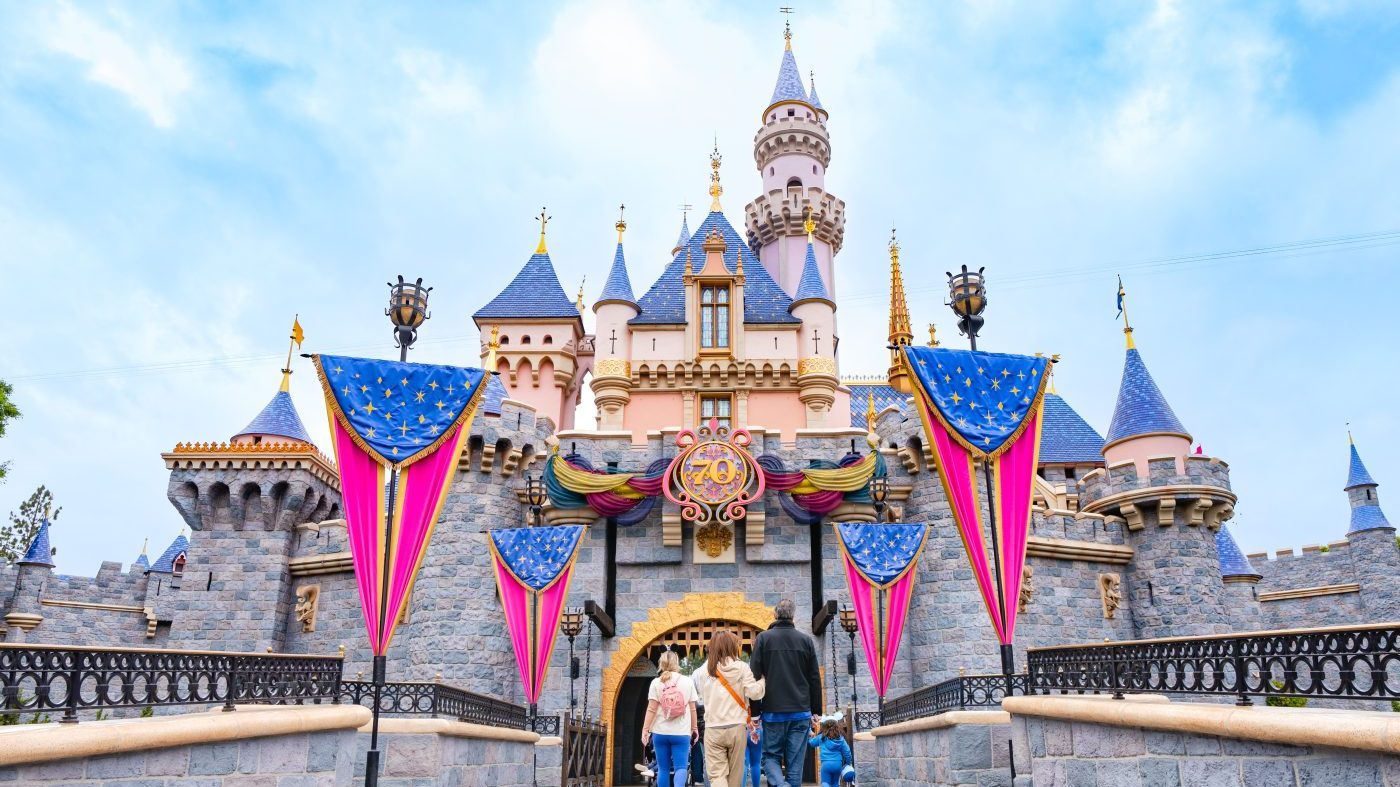
Disneyland Resort has quietly introduced facial recognition technology at the main entrances of Disneyland and Disney California Adventure, a move designed to expedite guest entry. The company emphasizes that participation is voluntary, with traditional ticket-check lanes still available for those who prefer not to have their biometric data processed.
Under the new system, a camera captures an image of each guest's face and compares it to the photo stored when their ticket or annual pass was first used. Both images are converted into numerical values to verify identity. Disney states these numerical values are deleted within 30 days unless required to be kept for legal reasons or fraud prevention.

The rollout comes as broader public concern over mass surveillance and data privacy continues to simmer. Critics point to incidents like the wrongful imprisonment of a Tennessee grandmother due to flawed AI facial recognition as cautionary tales. While Disney's system is opt-in, its presence at a family-friendly destination raises questions about normalization of biometric tracking in everyday spaces.
Guests who decline to use the facial recognition gates can still enter through the Esplanade, where cast members manually validate tickets. Disney notes that standard security cameras may still capture images in those lanes, but biometric processing will not occur.
In addition to the technological upgrades, Disney has redesigned the entry gates to be fully ADA-compliant. The new gates automatically open after a ticket is scanned and a photo is taken, and they include access points for MagicBand+ tapping. Wheelchair, ECV, and stroller users will find it easier to pass through.
Cast members will continue to staff all entrances, assisting with ticket validation and answering guest questions. The company has not disclosed how many guests have opted in or out since the system was introduced.
The broader context includes ongoing debates about the role of technology in public life. As seen in other sectors, such as shifts in U.S. trade rhetoric, policy changes often carry implications beyond their immediate scope. Disney's move may set a precedent for other entertainment venues considering similar systems.
Privacy advocates argue that even opt-in systems can create pressure to conform, especially in crowded settings where lines are long. The company maintains that the technology is purely for convenience and that data handling complies with legal standards.
Disneyland's adoption of facial recognition reflects a broader trend in the hospitality and entertainment industries toward automation and data-driven efficiency. Whether guests embrace or resist the change will likely shape future implementations across the sector.