Tehran pushed back Friday against White House assertions that direct U.S.-Iran talks were imminent, declaring it would not sit down with American officials during negotiations brokered by Pakistan this weekend.
Esmaeil Baqaei, a spokesperson for Iran's foreign ministry, posted on social media that no bilateral meeting with the United States is scheduled. “Iran’s observations would be conveyed to Pakistan,” he wrote, signaling Tehran intends to use Islamabad as an intermediary rather than engage directly.
The denial came hours after White House press secretary Karoline Leavitt told Fox News that special envoy Steve Witkoff and senior adviser Jared Kushner, President Trump’s son-in-law, would travel to Pakistan for a second round of talks. Leavitt described the sessions as “direct talks, intermediated by the Pakistanis,” and expressed optimism they would be “productive” in advancing a peace deal. Trump earlier this week extended an indefinite ceasefire between the two sides, building on a two-week truce.
Tasnim News Agency, affiliated with Iran’s paramilitary Islamic Revolutionary Guard Corps, also disputed the notion of direct engagement, reporting that Iranian officials had not agreed to face-to-face meetings during this trip. The outlet’s account aligns with Tehran’s longstanding position of avoiding direct negotiations with Washington unless preconditions are met.
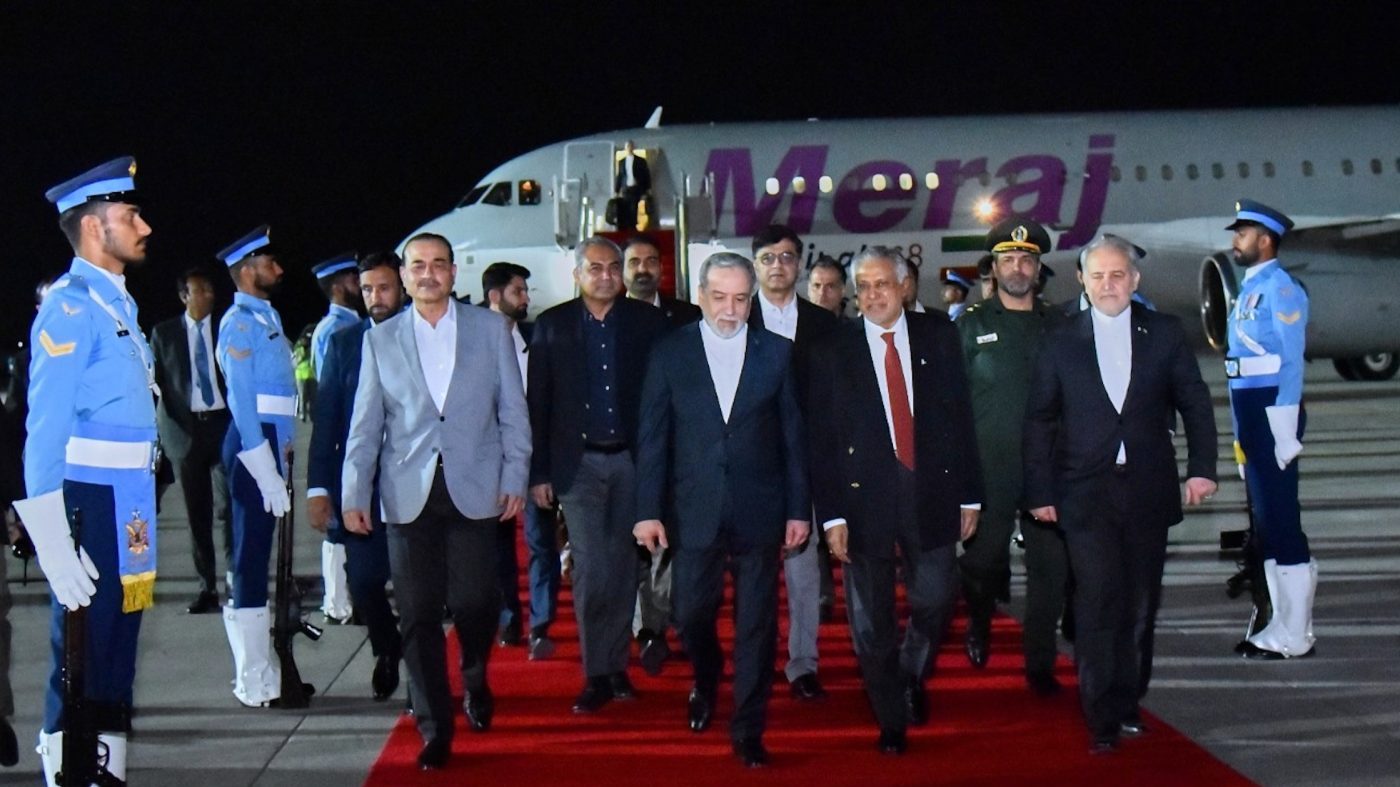
Iranian Foreign Minister Abbas Araghchi is set to present a new response to the U.S. peace proposal, according to The New York Times. Araghchi announced a “timely tour of Islamabad, Muscat, and Moscow” on social platform X, stating his goal is to “closely coordinate with our partners on bilateral matters and consult on regional developments. Our neighbors are our priority.”
The conflicting accounts underscore the fragility of the ceasefire and the challenges facing U.S. efforts to secure a broader agreement. The U.S.-Iran ceasefire hangs by a thread as Islamabad talks face potential collapse, with Tehran’s calculated delays and refusal of direct talks raising doubts about the administration’s strategy.
Witkoff and Kushner’s mission marks a high-stakes push by the Trump administration to salvage the diplomatic track. Kushner and Witkoff head to Pakistan for a second round of Iran nuclear talks, but Tehran’s insistence on indirect communication complicates the process. Meanwhile, Trump reversed course and extended the Iran ceasefire indefinitely amid stalled talks, signaling both urgency and frustration.
The Hill has reached out to the White House for comment on the discrepancy between its public statements and Tehran’s denial.