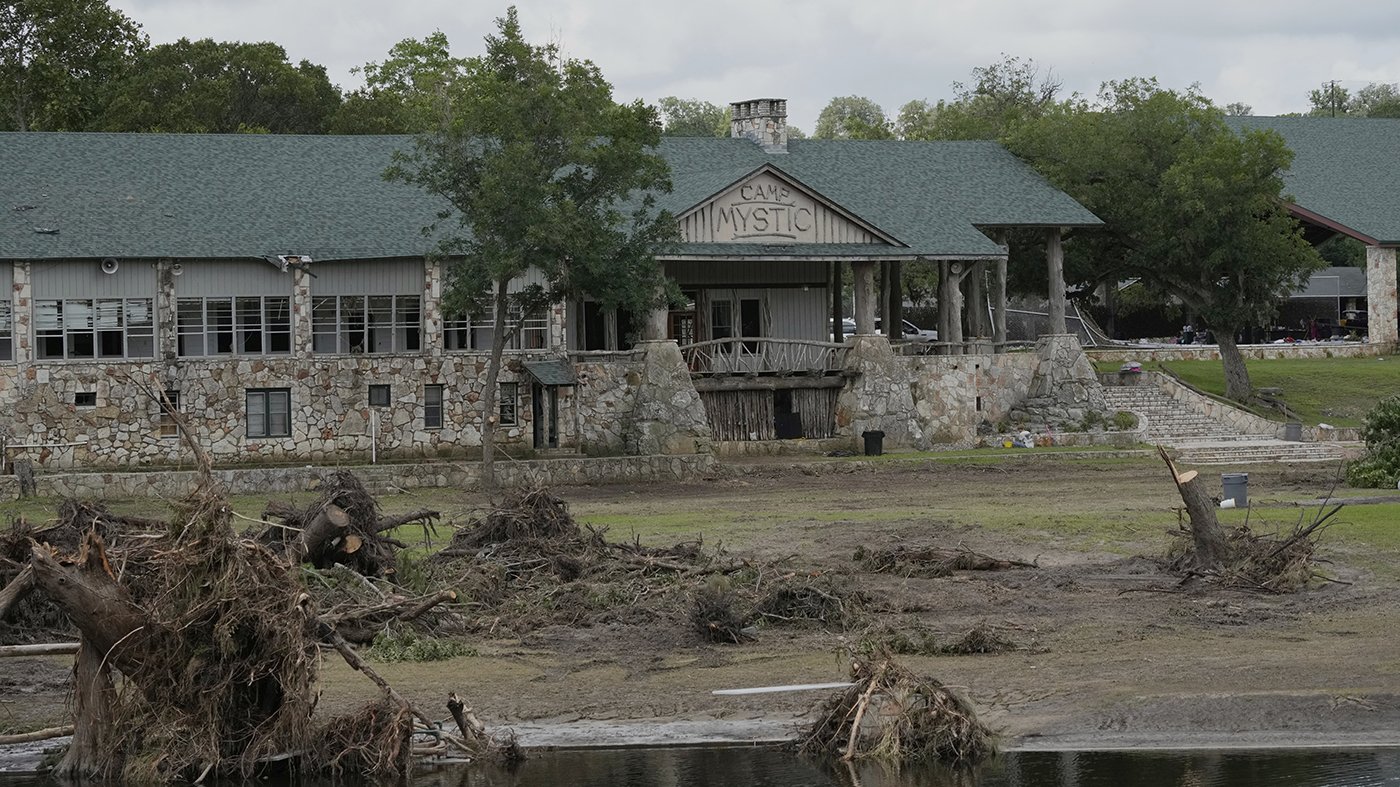
The Texas Department of State Health Services (DSHS) on Thursday informed Camp Mystic that its proposed emergency plan fails to meet state requirements, marking a significant setback for the summer camp's effort to reopen after a catastrophic flash flood killed 27 people last July.
In a letter obtained by Nexstar, the state agency identified multiple deficiencies, including the absence of floodplain location details and incomplete staff emergency protocols. The camp, located in Hunt, Texas—about 80 miles northwest of San Antonio—submitted the plan for its Cypress Lake site, which sits two miles uphill from the Guadalupe River location where 25 campers and two counselors drowned during a historic July 4 flood.
The DSHS also flagged the camp's proposals for handling fires, serious injuries, aquatic emergencies, and natural disasters as either insufficient or incomplete. The agency gave Camp Mystic 45 days from receipt of the notice to submit a revised plan, a routine step that most youth camps encounter due to recent changes in emergency planning requirements, according to a DSHS spokesperson.
Camp Mystic, which has faced multiple lawsuits and investigations since the tragedy, stated it is "carefully reviewing" the notice and working to address the issues. "Our priority remains the safety and well-being of our campers," the camp told the Texas Tribune. The camp has indicated it intends to reopen in May, a decision that has drawn fierce opposition from grieving families.
Parents of the victims have pushed Texas lawmakers for stricter summer camp safety regulations and filed lawsuits against both the camp's directors and the DSHS. Texas Lieutenant Governor Dan Patrick, a Republican, has publicly urged the state to withhold Camp Mystic's license renewal until all safety investigations are complete.
The state's letter recommended specific additions to the emergency plan, such as a floodplain notification for parents and confirmation that an adequate warning system is in place at the camp. The DSHS emphasized that an approved emergency plan is a prerequisite for licensing under its summer camp review process.
This controversy unfolds against a backdrop of broader infrastructure and safety challenges in Texas. The state's grid has been overwhelmed by data center demands, exposing national infrastructure vulnerabilities, while a recent appeals court ruling cleared Texas to mandate the Ten Commandments in public school classrooms, highlighting the state's complex regulatory landscape.
As the 45-day deadline approaches, the camp's revised plan will face close scrutiny from state officials, lawmakers, and the families who lost loved ones in the flood. The outcome could set a precedent for how Texas regulates summer camps in flood-prone areas.