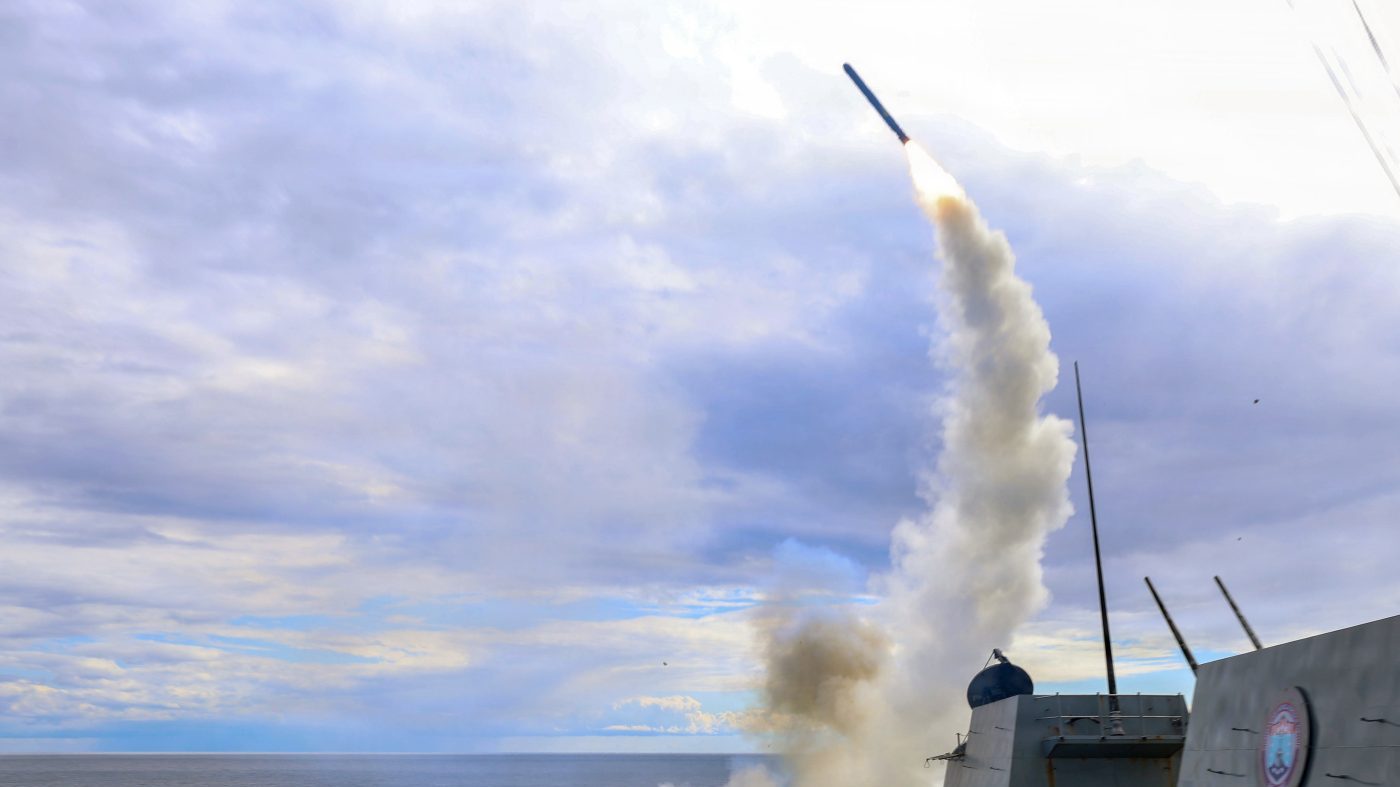
The ongoing U.S.-Israeli military campaign against Iran has consumed thousands of American missiles, dangerously depleting arsenals that military planners rely on to deter or win a future conflict with China over Taiwan.
According to a report in The New York Times, U.S. forces have fired nearly all of the nation’s long-range stealth cruise missiles—1,100 units—and more than 1,000 Tomahawk cruise missiles since hostilities began on February 28. The Tomahawk alone is produced at a rate of roughly 100 per year, meaning it would take a decade to replace what has been expended at current capacity.
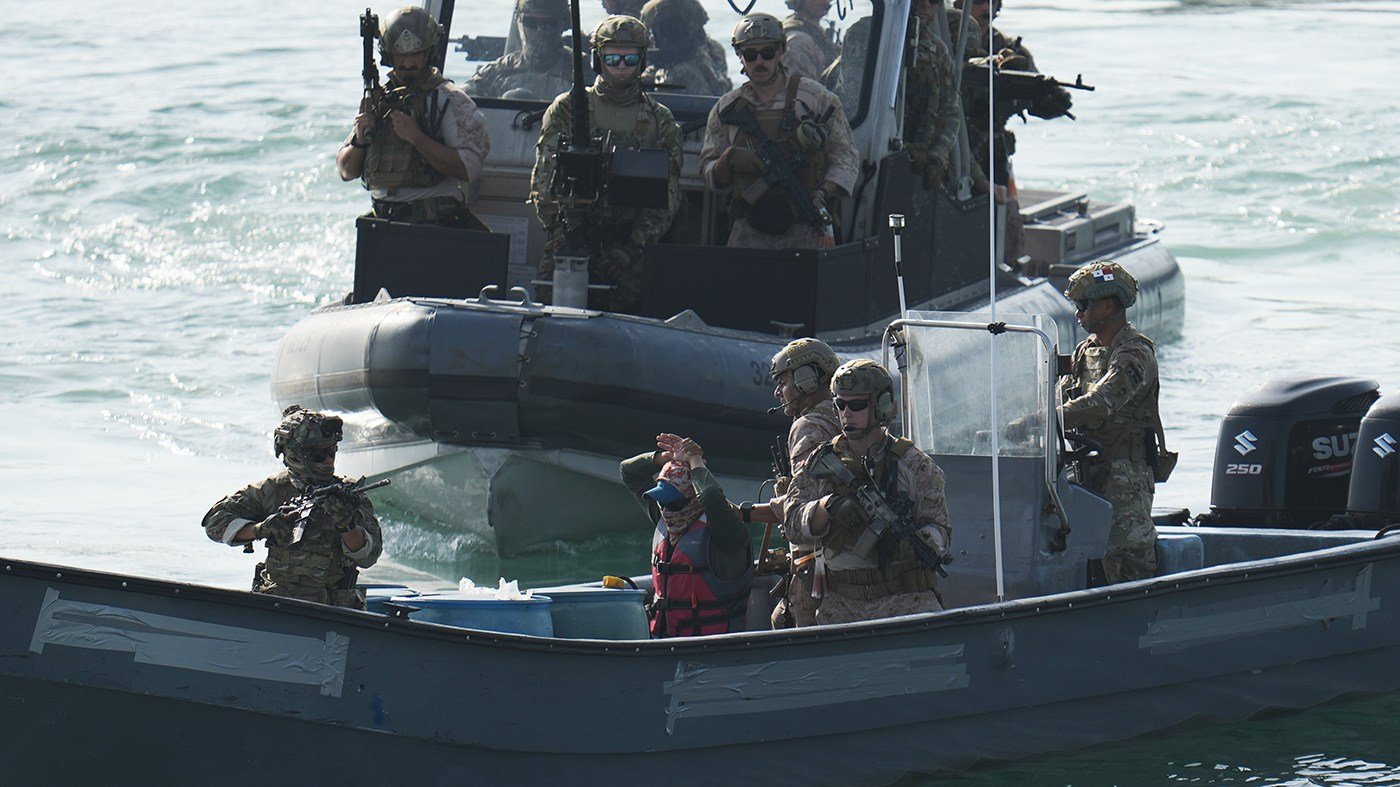
In less than eight weeks, American forces have also used more than 1,200 Patriot interceptor missiles, each costing over $4 million, and approximately 1,000 Precision Strike and ATACMS ground-based missiles, according to officials cited by the Times.
The sheer pace of expenditure has left U.S. stockpiles at their lowest levels in years. The Center for Strategic and International Studies (CSIS) found this week that the United States may have used more than half its prewar inventory of at least four critical munitions, including Tomahawks. CSIS analysts noted, “The United States has enough missiles to continue fighting this war under any plausible scenario. The risk—which will persist for many years—lies in future wars.”
That warning was echoed by Admiral Samuel Paparo, head of U.S. Indo-Pacific Command, who told the Senate Armed Services Committee on Tuesday that scaling up production of these sophisticated weapons will take time. “I think it will take one to two years for them to scale,” Paparo said, adding, “it won’t be soon enough. There are finite limits to the magazine, and I have all the faith in the world that they’re being employed judiciously.”
Senator Jack Reed (D-R.I.), the committee’s ranking member, underscored the production bottleneck, stating that “reconstituting what we have expended could take years.”
The war has forced the Pentagon to pull munitions from global stockpiles, including those allocated for European and Indo-Pacific commands, weakening readiness against other adversaries like Russia and China. The Defense Department has declined to disclose total spending or precise missile usage, only acknowledging that more than 13,000 targets have been struck. Officials told the Times that this figure undercounts actual munitions expended, as multiple weapons often hit a single target.
Experts estimate the war has cost between $25 billion and $35 billion so far. The White House is expected to request $80 billion to $100 billion from Congress, partly to replenish depleted stockpiles. For context, the war’s impact on jet fuel prices has already driven United Airlines to warn of a 20% fare hike, illustrating the broader economic ripple effects.
The strain on U.S. munitions also comes amid other geopolitical flashpoints. Defense Secretary Pete Hegseth has defended the Iran operations even as Pope Francis’s criticism sparked a feud with former President Trump, further complicating the administration’s messaging. Meanwhile, the Administration’s fiscal policies are under scrutiny—Treasury Secretary Bessent recently defended a $1.5 billion cut to a Senate panel, linking the move to inflation pressures from the Iran war.
The Pentagon’s inability to quickly replenish these weapons has alarmed lawmakers and strategists who see Taiwan as the most likely flashpoint for a major U.S.-China confrontation. Admiral Paparo’s testimony made clear that while the current war can be sustained, the price may be paid in future deterrence.