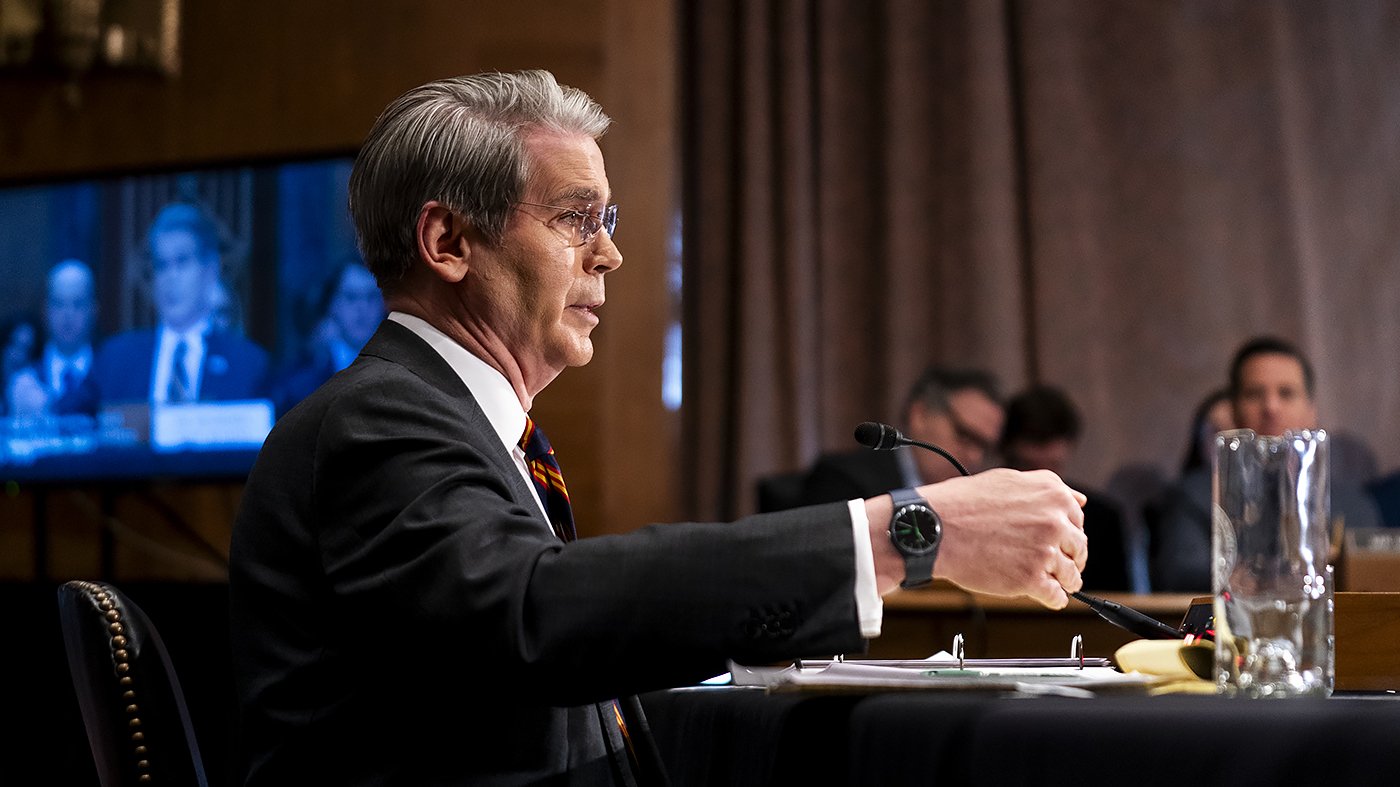
Treasury Secretary Faces Senate Scrutiny Over Proposed Budget Cuts
Treasury Secretary Scott Bessent appeared before the Senate Appropriations Committee on Wednesday to justify the Trump administration's fiscal 2027 budget request for his department. The hearing, which began at 10 a.m. Eastern Time, centers on a proposed discretionary spending plan of $11.5 billion for Treasury's domestic operations, representing a significant $1.5 billion decrease from the 2026 enacted level.
The budget blueprint, formally released by the White House last week, targets specific programs for reduction. Key among the proposed cuts are allocations to the Community Development Financial Institutions (CDFI) Fund, which supports economic growth in underserved communities, and the Internal Revenue Service. The administration argues these trims are necessary for fiscal discipline, but they are expected to draw sharp questions from Democratic committee members.

Economic Context: Inflation and Energy Prices Loom Large
Bessent's testimony unfolds against a challenging economic backdrop. The ongoing U.S. military engagement with Iran continues to strain global energy markets, contributing to rising fuel costs and persistent inflation that is squeezing American households. This economic pressure forms a critical subtext for the budget debate, as lawmakers assess the administration's fiscal priorities amidst voter anxiety over the cost of living.
The political climate is equally fraught. President Trump's approval ratings on economic management have recently fallen to concerning lows, reflecting public discontent. Furthermore, the administration is facing sustained political pressure, with House Democratic Leader Hakeem Jeffries leading calls for the removal of several Trump cabinet officials, though Bessent is not currently among those named.
Budget Details and Anticipated Pushback
The proposed $11.5 billion in discretionary spending marks a clear shift in the department's resource allocation. Defending these cuts before a divided Senate panel will be a central task for Secretary Bessent. Democrats are likely to argue that reducing funding for the IRS could hamper tax enforcement and revenue collection, while cuts to community development funds may be portrayed as detrimental to low-income areas.
Republicans on the committee are expected to support the administration's push for leaner government spending, framing it as a responsible check on expenditures. The hearing also provides a platform for broader discussions on the administration's economic strategy, including its trade policies. U.S. Trade Representative Katherine Greer recently defended the President's tariff approach before a separate House committee, indicating a coordinated push to justify the administration's economic vision.
Broader Political and International Implications
The budget process cannot be divorced from the volatile international situation. The conflict with Iran remains a dominant and costly issue, directly impacting the economic concerns Bessent must address. Recent attacks on commercial shipping in the Strait of Hormuz following a collapsed ceasefire extension underscore the ongoing risks to energy security and global trade.
This Treasury hearing is one of several high-profile budget testimonies occurring across Capitol Hill. For instance, NASA Administrator Jared Isaacman is concurrently navigating his own agency's budget requests before House appropriators, highlighting the widespread congressional scrutiny of the President's 2027 spending plan. The outcome of these hearings will significantly influence the final appropriations bills, setting the stage for potential negotiations and conflicts between the White House and Congress in the coming months.