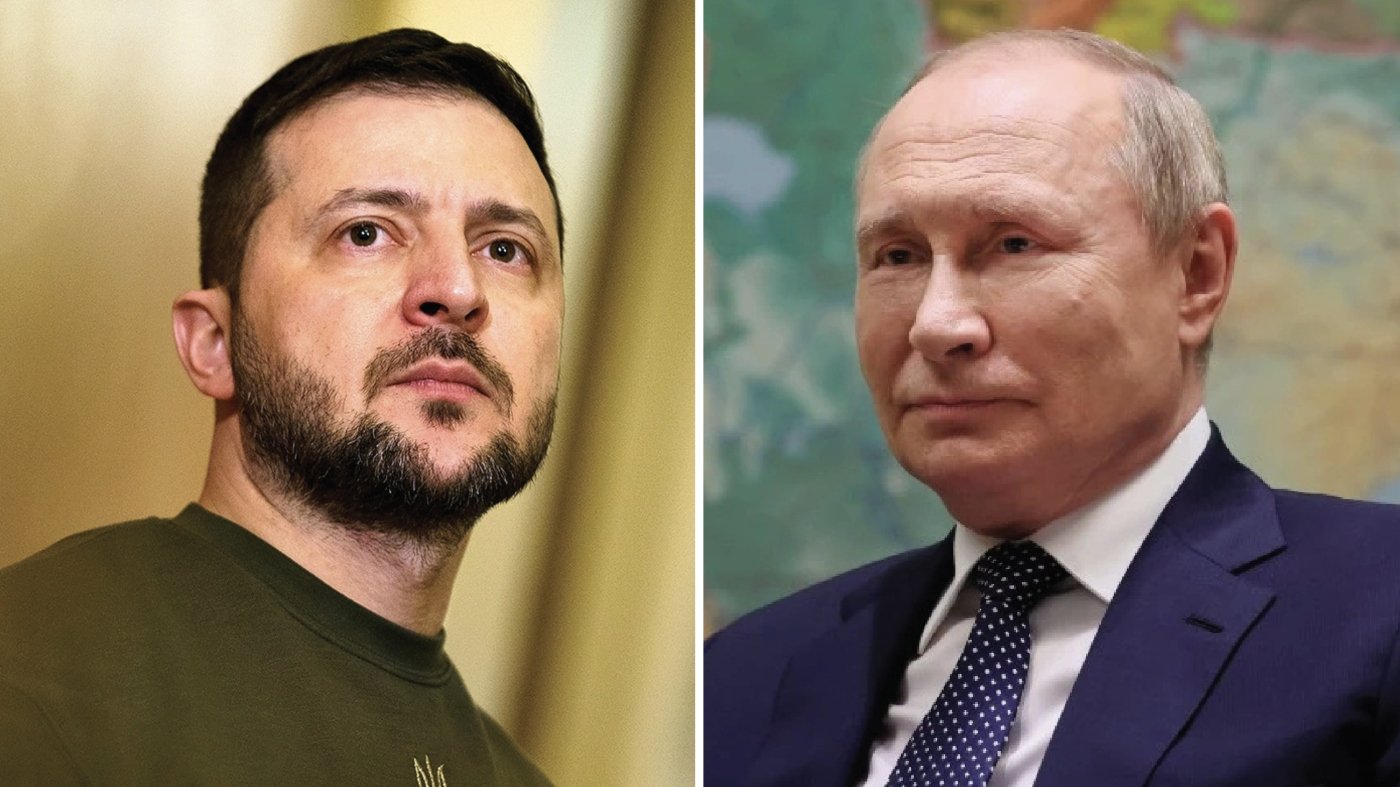
Russian President Vladimir Putin on Friday dismissed the idea of a face-to-face meeting with Ukrainian President Volodymyr Zelensky, stating he sees no point in direct negotiations to end the war. Speaking at Russia's annual economic forum in St. Petersburg, Putin said, "I don't see any point for now," according to reports from the BBC.
Putin's rejection came just a day after Zelensky issued an open letter urging a meeting on neutral ground to negotiate an end to the conflict, which has now stretched beyond four years. In his letter, Zelensky argued that with the United States focused on Iran, Ukraine cannot afford to wait for the war in Europe to regain Washington's attention. He proposed direct engagement between the two leaders as a path to ending the war.

However, Putin questioned the sincerity of Zelensky's offer, suggesting it was designed to avoid a real meeting rather than facilitate one. "Was it a way to create the conditions for a face-to-face meeting or a way not to set up a face-to-face meeting? I think it was the second," Putin said, describing the letter as "rude."
The Russian leader reiterated Moscow's stance that a ceasefire would only allow Ukraine to regroup while leaving Russia's demands unmet. He indicated that any meeting would require preliminary work by experts to propose solutions. "The only point is for the Ukrainian side to halt the advance of our armed forces. But we need agreements — not for six months, not for three months, but for the long term," Putin said. He added that military actions would end once Russia achieves its goals, which include full control of the eastern Donbas region—a condition Kyiv has consistently rejected.
Zelensky responded swiftly on social media, calling Putin's reply "weak" and accusing Russia of choosing war. "I think many around the world were disappointed by that response," Zelensky wrote on X. "He does not want to change anything, and he does not want to admit that this war appeals only to him — and to those who are making money off him." He also called for increased economic pressure on Russia, noting that Putin's associates were "smiling very broadly" at the forum.
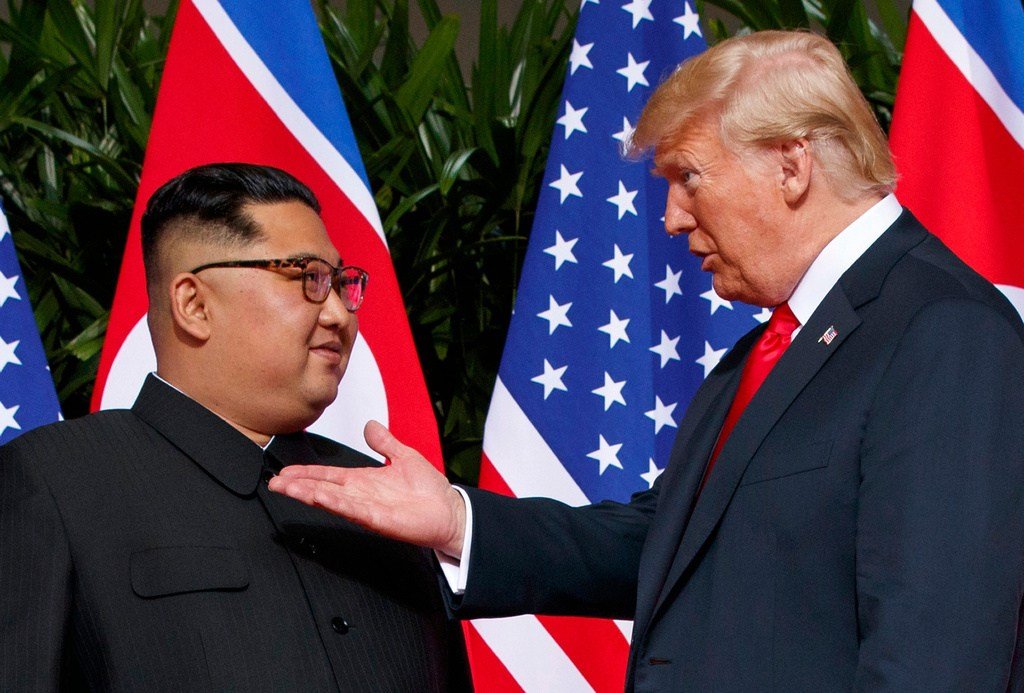
The diplomatic standoff unfolds as the U.S. House on Thursday passed a measure authorizing military aid for Ukraine and additional sanctions on Russia. The bill advanced with support from 18 Republicans and one independent, joining most Democrats; only Rep. Ilhan Omar (D-Minn.) voted against it. President Trump told reporters he thought a meeting between Putin and Zelensky would be "great" and urged both sides to make compromises to end the war.
Meanwhile, Ukraine continues to face pressure on the battlefield, with Russia making incremental gains in the east. Kyiv has sought to bolster its defenses through innovative tactics, as highlighted in a recent report on how Ukraine's drone strategy is forcing Putin to rethink his war plans. The conflict has also seen reports of Russian indoctrination of abducted Ukrainian youths, further straining any potential for dialogue.
As the war grinds on, the prospect of direct talks appears dim, with both sides entrenched in their positions. Zelensky's invitation to Trump envoys to Kyiv underscores Ukraine's reliance on Western support, while Putin's dismissal of negotiations signals a long-term commitment to his military objectives.