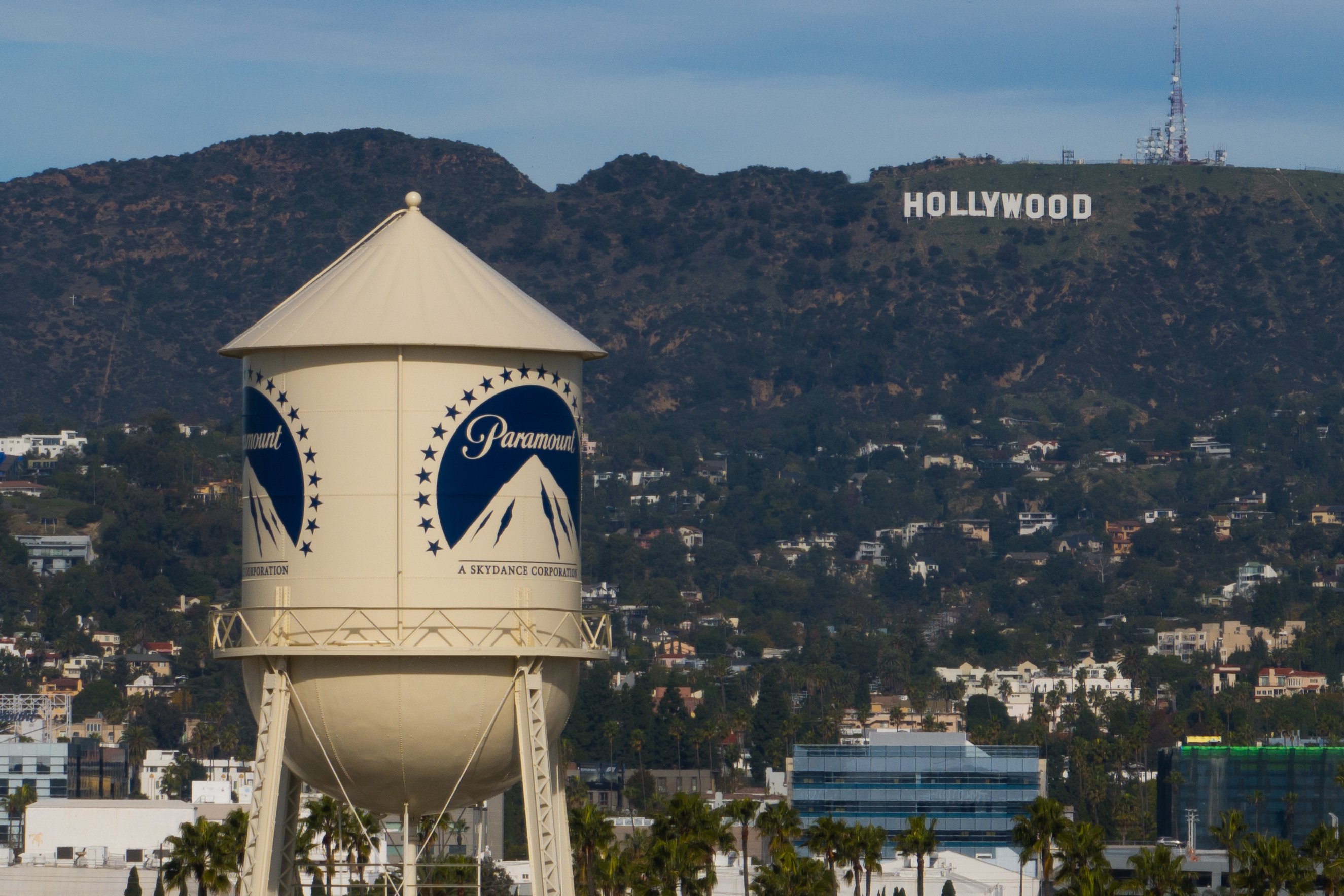
A federal judge in California has ordered a temporary halt to Paramount's proposed takeover of Warner Bros. Discovery, granting a two-week pause as the court weighs a sweeping antitrust challenge brought by a coalition of state attorneys general.
Judge Araceli Martínez-Olguín approved California Attorney General Rob Bonta's request to freeze the multibillion-dollar transaction, which was announced last week. The pause gives the court time to decide whether to hear the case filed by Bonta and 11 other state AGs seeking to block the merger on competition grounds.
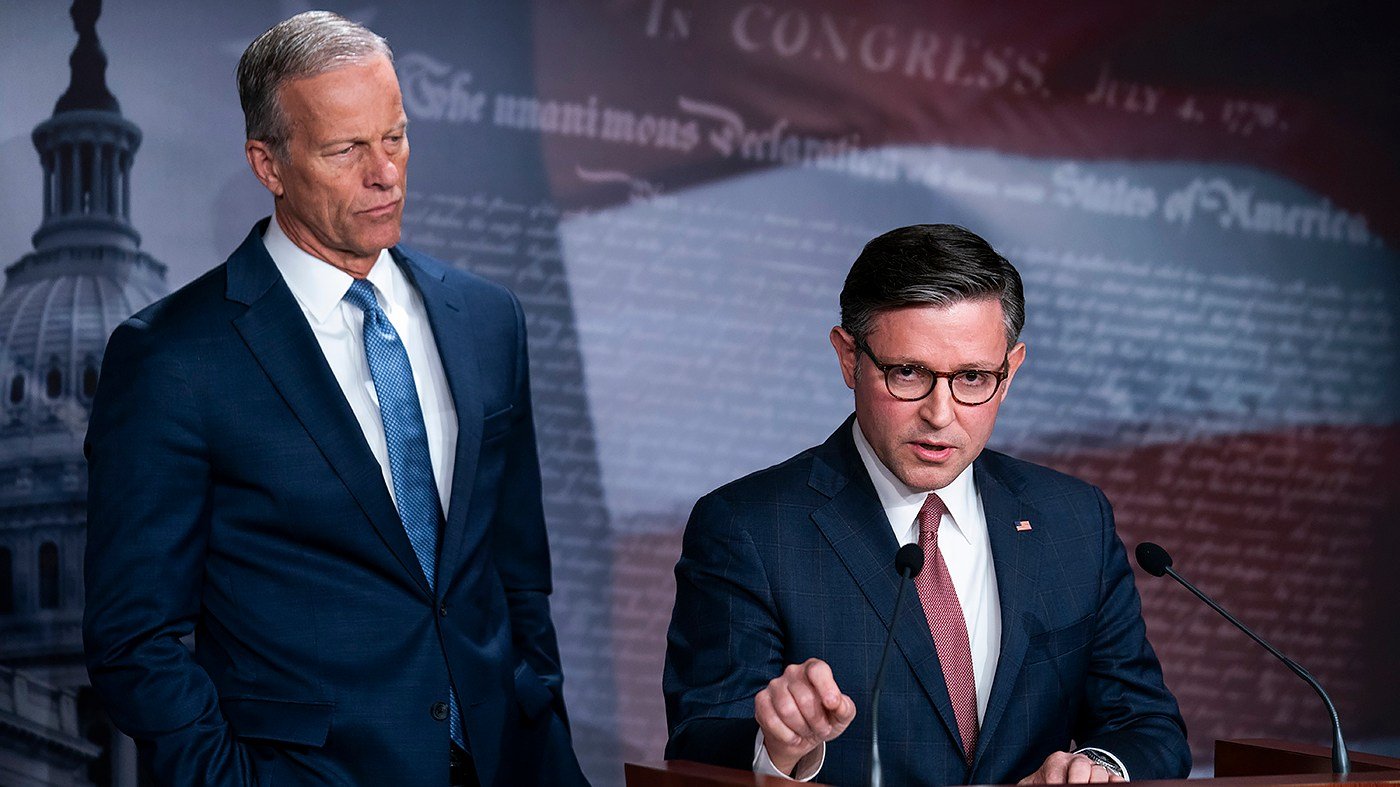
“This is a critical first win in our case to ensure this megamerger never sees the light of day,” Bonta said in a statement. “History tells the tale of what happens when a few people have great power over markets that are central to Americans’ lives: fewer opportunities for more people, worse products and services for all people.”
The lawsuit argues that combining Paramount and Warner Bros. Discovery would stifle competition in media and entertainment, “creating a massive company with unprecedented power and influence over news and entertainment across the globe.” Paramount is controlled by billionaire father-son duo Larry and David Ellison, allies of former President Trump who have already overhauled CBS News' editorial direction. Warner Bros. Discovery owns major assets including Turner Sports and CNN.
Critics, including several congressional Democrats, warn that the deal would give the Ellisons outsized control over the media landscape and could influence CNN's editorial independence. Trump, who has long feuded with the cable news channel, has publicly praised the Ellisons and expressed a desire to see CNN under new ownership.
Adding to the legal pressure, a press freedom group filed a shareholder lawsuit last week against Paramount. The suit, brought on behalf of a company investor, seeks to stop “Paramount insiders from profiting through breaches of their fiduciary duties to the company by trading editorial independence for favoritism from the Trump administration.”
Paramount pushed back in a statement to The Hill last week, with a spokesperson insisting the deal “stands on its own merits.” The company argued that “combining these two libraries and platforms gives consumers more choice, not less — greater investment in original programming, a stronger competitor to streaming rivals, and a more durable footing for journalism and storytelling alike.” Paramount did not respond to a request for comment on Monday's ruling.
The case highlights growing scrutiny of media consolidation. A separate report from the Sabato Crystal Ball recently shifted its projections for several House races, signaling the political fallout from such mergers could extend beyond the courtroom. Meanwhile, the Federal Communications Commission chair has suggested California could drop its lawsuit if CNN is spun off, a potential off-ramp that has yet to gain traction.
The two-week pause is the first significant legal setback for the merger, which has drawn opposition from both antitrust enforcers and media watchdogs. The outcome of the court's review could reshape the competitive dynamics of the entertainment and news industries.