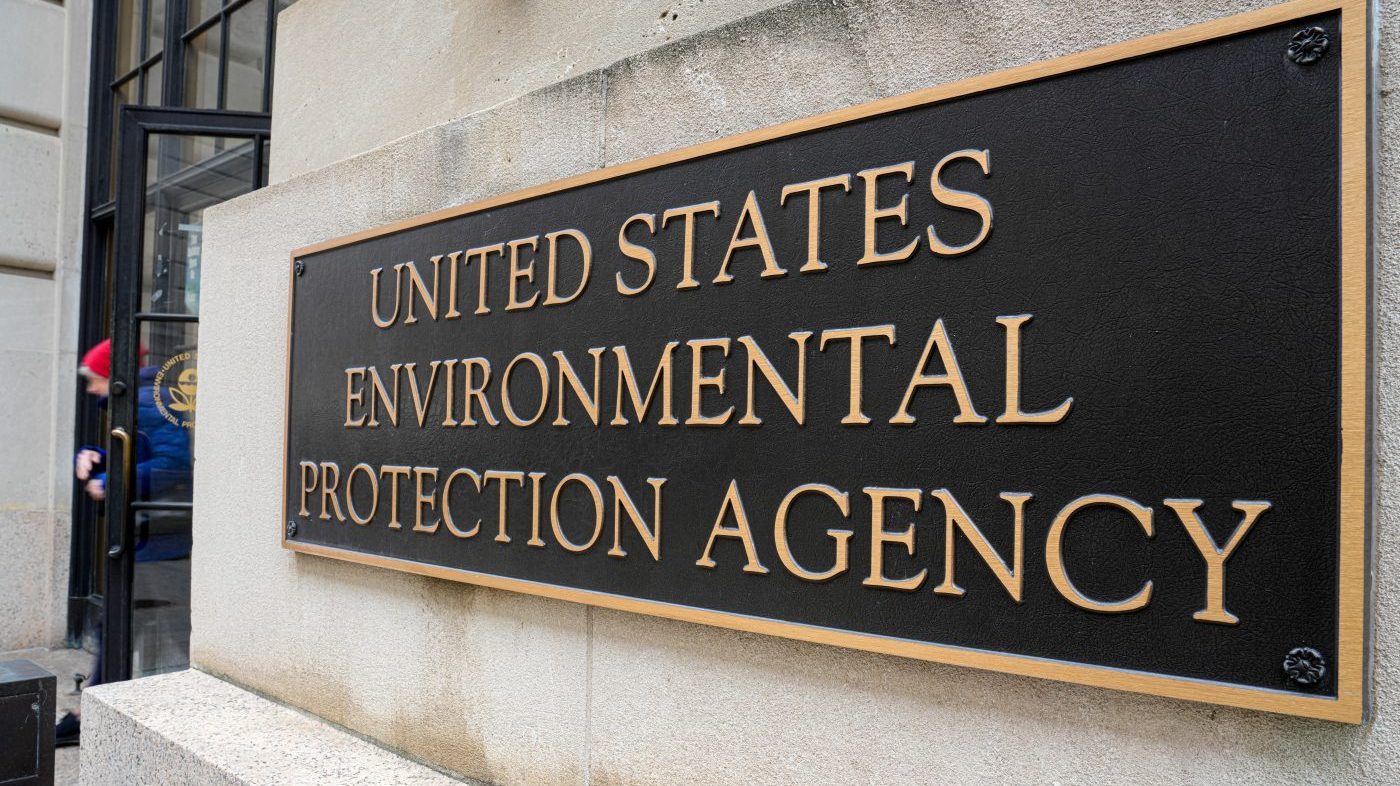
A federal judge late Wednesday temporarily halted the Trump administration's effort to allow Congress to overturn California's stringent vehicle and lawn equipment emissions standards. The ruling, issued by U.S. District Judge Beryl Howell, an Obama appointee, blocks the Environmental Protection Agency's (EPA) move to reclassify waivers that exempt California from federal preemption under the Clean Air Act.
For decades, the EPA granted California waivers to enforce stricter emissions rules than federal standards, a practice sanctioned by the Clean Air Act. In June, the agency reclassified these waivers as "rules," a step that would permit Congress to nullify them through the Congressional Review Act (CRA), which allows lawmakers to overturn recently issued rules with simple majority votes and presidential approval.

Judge Howell's ruling sharply criticized the EPA's reasoning, noting that the waivers themselves explicitly state they are not rules. She wrote, "The central problem for EPA is that the waivers themselves explicitly state that they are not rules, while the CRA limits invocation of this statute only to agency rules of general applicability, which EPA, in its own words, has emphatically stated Clean Air Act waiver orders are not."
Howell accused the agency of seeking to engage in "Orwellian doublethink, offering two explanations simultaneously" for its action. She concluded that California is likely to prevail on the merits and ordered a return to the status quo before the EPA's June reclassification.
The EPA responded with an unsigned statement saying it is "considering immediate appeal options." The decision is a significant setback for the administration's broader efforts to weaken state-level environmental regulations and could have implications for other states that follow California's lead.
This ruling comes amid a series of legal battles over environmental policy, including a recent federal judge's decision to strike down New York's climate superfund law, illustrating the contentious landscape of climate regulation. The outcome of this case could shape how states and the federal government share authority over emissions standards.
Legal experts note that the CRA is a powerful tool for Congress to undo regulations, but its use here was novel. The court's insistence on the plain language of the waivers underscores the limits of such maneuvers when agencies attempt to redefine their own actions retroactively.
California officials hailed the decision as a victory for state authority and public health. Environmental groups have similarly praised the ruling, while industry representatives have expressed disappointment, arguing that a patchwork of state standards burdens manufacturers.
The case is likely to proceed, with appeals possible. If the ruling stands, it would preserve California's ability to set its own emissions targets, a key component of the state's aggressive climate agenda. The decision also sends a signal to other states considering similar waivers.