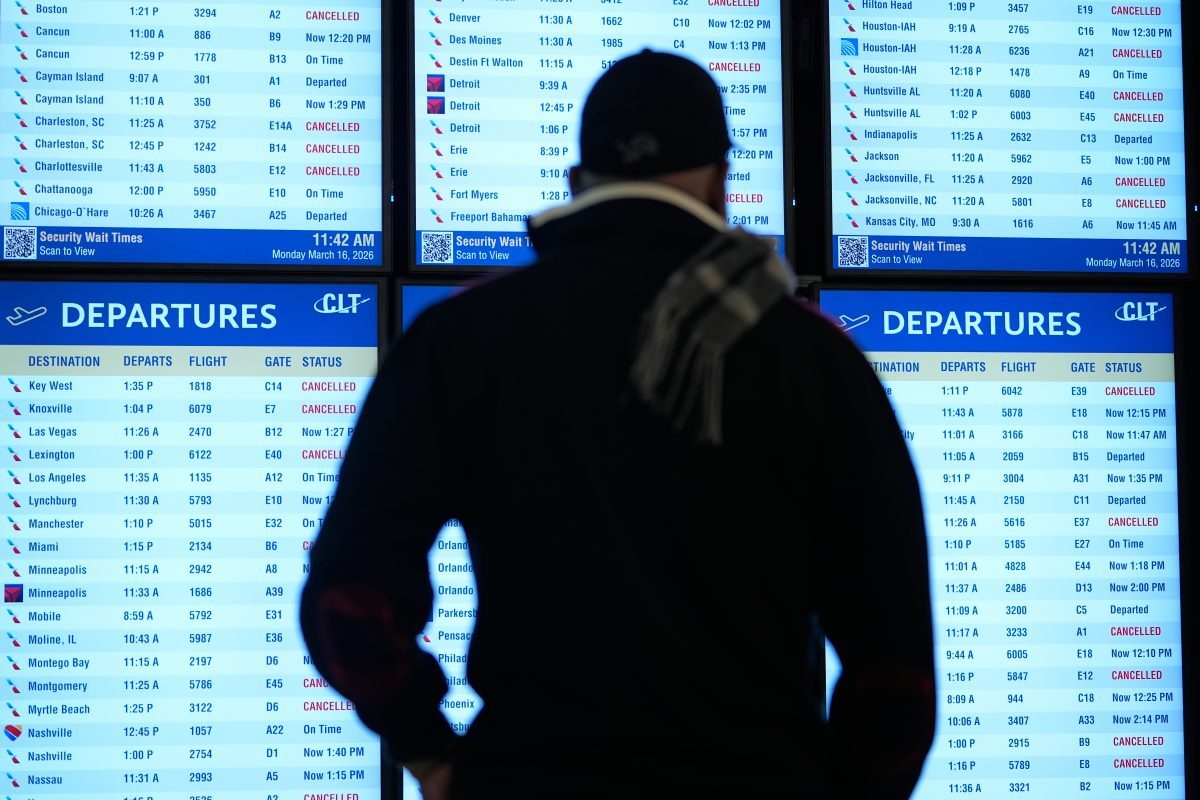
The next time your flight is delayed or canceled, securing compensation from the airline may become more challenging as a new federal rule takes effect.
The U.S. Department of Transportation (DOT) announced last month that it will no longer attribute 10 specific types of flight disruptions to the air carrier. Instead, these events will be tracked under a new category, the “Section 511(b) category,” which could affect passengers' eligibility for compensation.
The reclassification is part of the department’s implementation of the FAA Reauthorization Act of 2024, signed into law by President Biden. A DOT spokesperson told Nexstar that the move aligns with the legislation's requirements.
What Counts as a “Non-Carrier” Disruption?
The 10 disruptions now excluded from carrier responsibility include:
- Aircraft cleaning after a passenger's death
- Damage from extreme weather, foreign object debris, or sabotage
- Baggage or cargo loading delays due to an outage of a bag system not controlled by the carrier or its contractor
- Cybersecurity attacks, provided the carrier complies with applicable regulations
- Shutdowns or failures of government systems that unexpectedly affect flight safety
- Overheated brakes due to a safety incident requiring emergency procedures
- Unscheduled maintenance, including responses to airworthiness directives, that cannot be deferred
- Medical emergencies not caused by the carrier
- Removal of an unruly passenger
- Airport closures due to volcanic ash, wind, or wind shear
These categories were previously considered within the airline's control, making compensation more likely. Now, they may be classified as “extraordinary circumstances,” potentially relieving carriers of payment obligations.
Political and Consumer Implications
Consumer advocates argue the rule could weaken protections for flyers, especially as flight disruptions remain a hot-button issue. Lawmakers have increasingly scrutinized airline practices, with some pushing for stricter passenger rights. The change comes amid broader policy debates over federal oversight of industries.
The DOT insists the recategorization is a technical adjustment to align with the FAA reauthorization, but critics worry it may reduce accountability. “This is a step backward for passenger rights,” said a representative from a consumer advocacy group, who spoke on condition of anonymity.
Travelers may need to check their airline's policies and the DOT's guidelines before assuming compensation is due. For now, the rule applies to disruptions occurring after the effective date, which the DOT has not yet specified.
As the aviation industry adapts, passengers should stay informed about their rights. The DOT's website provides resources for filing complaints and understanding compensation rules.