The Trump administration's abrupt reversal on livestreaming the execution of Nidal Hasan—the Army psychiatrist who killed 13 people at Fort Hood in 2009—was not a change of heart but a forced retreat, according to a former South Carolina prosecutor who has sent men to their deaths.
Defense Secretary Pete Hegseth had announced that Hasan's Dec. 3 firing-squad execution would be broadcast publicly, and President Trump said he “absolutely” approved. The plan drew immediate bipartisan condemnation, and on Thursday Trump scrapped it. But even in backing down, he insisted that showing a man being shot to death “might have been a strong deterrent.”
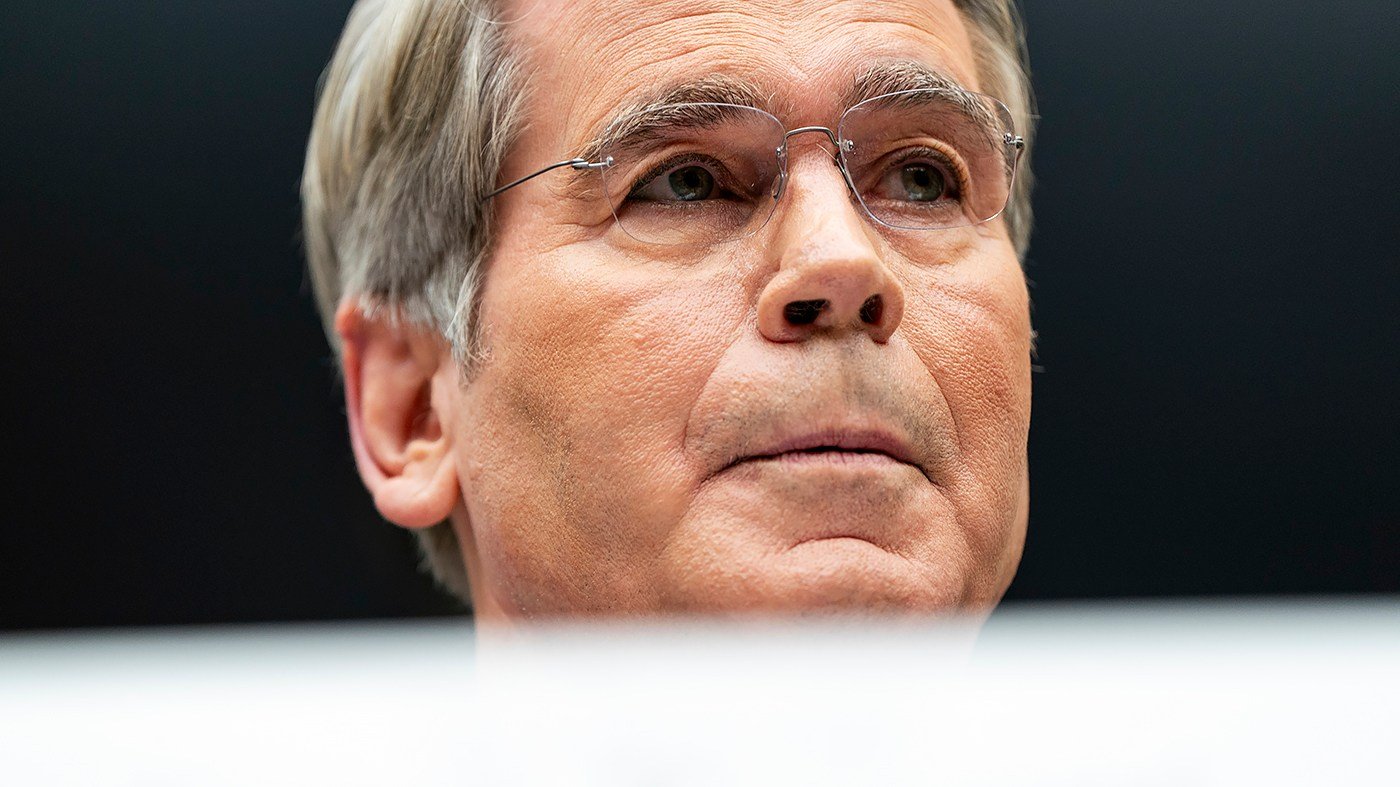
Dick Harpootlian, a former prosecutor and state senator who led the case against serial killer Donald “Pee Wee” Gaskins, wrote in an essay that the episode reveals a White House that “revels in releasing footage of hellfire raining down on anonymous people,” but finds those videos “too clinical and too antiseptic.” Trump, he argued, wanted his own “Hunger Games.”
Harpootlian, who now works as a defense attorney, drew on his own experience with the death penalty. He persuaded a jury to sentence Gaskins to the electric chair and later argued for another execution before the U.S. Supreme Court. As a state senator, he helped pass a law allowing firing squads, believing them more humane than electrocution. But he has concluded that “execution by any method is not and never has been an effective deterrent to crime.”
He noted that the last public execution in the U.S. was the 1936 hanging of Rainey Bethea, a Black man convicted of rape, which drew roughly 20,000 spectators to Owensboro, Kentucky. The crowd treated it like a picnic, with vendors selling sandwiches and Coca-Cola. The national outrage that followed helped end public executions—there have been none since 1938.
Harpootlian said he did not attend the execution of Gaskins, who had murdered 13 people before killing a fellow inmate on death row. “Had I attended, I believe that I would have fallen to his level,” he wrote. He understands victims who attend executions seeking closure, but says he has never seen it bring joy or satisfaction.
The decision to cancel the livestream, while welcome, does not mean the administration has learned anything, Harpootlian argued. “That they were stopped this time doesn't mean they've learned anything,” he wrote. The episode has fueled a broader debate over capital punishment, with new efforts to abolish the death penalty gaining traction.
The backlash also comes amid broader political turbulence for the GOP. An AP-NORC poll shows 80% of voters demanding major change in Washington, and some Republicans worry about Trump fatigue sapping enthusiasm ahead of the midterms.
Harpootlian concluded that the administration's willingness to make death a public spectacle says more about them than about justice. “Those who wanted to make a spectacle of it are—and I say this seriously—more like the condemned than the victim,” he wrote.