The Pentagon has quietly signed an interagency agreement that could redirect billions of dollars from the National Institutes of Health (NIH) to defense priorities, according to the top Democrat on the House Appropriations Committee.
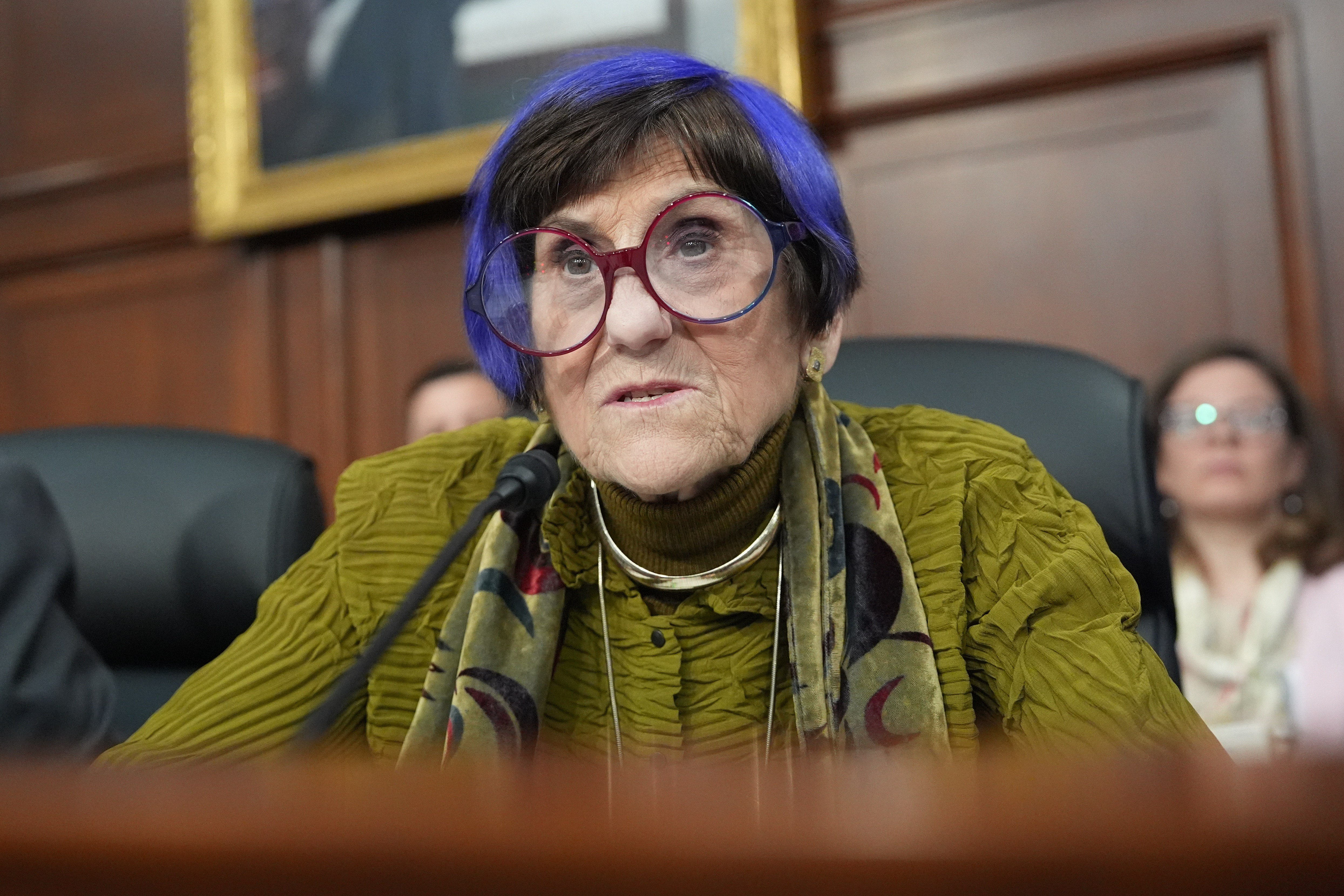
Rep. Rosa DeLauro (D-Conn.) said Thursday that Trump administration officials only recently informed Congress of the deal, which would give the Defense Department access to funds earmarked for biomedical research. DeLauro called the move "outrageous" and demanded the agreement be terminated immediately.
"This secretive attempt to siphon research funds away from NIH is outrageous," DeLauro said in a statement. "Circumventing Congress to divert money intended to help Americans who are exposed to HIV, influenza, tuberculosis, and other deadly diseases—and directing those funds to the Department of Defense—is beyond the pale."
The agreement would draw from NIH's National Institute of Allergy and Infectious Diseases (NIAID), the agency's lead institute for infectious-disease research. DeLauro did not say whether NIH itself had signed the agreement.
A spokesperson for the Department of Health and Human Services said NIH and the Pentagon "explored potential avenues of collaboration to support the development of medical technologies, such as therapeutics, diagnostics, and personal protective equipment (PPE), to protect against infectious diseases and other health risks that Americans face." The spokesperson added that a partnership would enable "nimble multi-agency resources to collaboratively respond to public health emergencies, such as the recent Ebola outbreak."
The exact amount the Pentagon is seeking remains unclear, as does its intended use. The Pentagon did not respond to a request for comment. Sen. Patty Murray (D-Wash.), the top Democrat on the Senate Appropriations Committee, said the agreement establishes a framework for the Pentagon to "potentially tap billions of dollars in funding."
Both DeLauro and Murray said the agreement was not proactively shared with Congress. According to DeLauro, it only came to light after House Democrats pressed NIH officials. DeLauro accused the Pentagon of trying to cover budget shortfalls stemming from the ongoing conflict with Iran, for which the administration has requested a $95 billion supplemental funding package.
"It is no secret that the Department of Defense is facing enormous financial pressure because of President Trump's war of choice with Iran," DeLauro said. "But the Trump administration cannot make American patients, families, and scientists pay the price."
Patient advocacy groups quickly condemned the potential arrangement. Erika Sward, executive director of United for Cures, said in a statement: "Congressionally-appropriated funding for NIH research to save lives and improve the health of Americans should not be treated like a slush fund. We call on Congress to investigate this and ensure money appropriated for lifesaving research is used as intended."
The controversy adds to growing scrutiny of Pentagon spending and management, which has already drawn criticism from former officials and lawmakers. As Pentagon dysfunction draws fire, the move to tap NIH funds could further strain relations with Congress. DeLauro's comments also come amid broader Democratic efforts to protect health research funding, as seen in recent demands for transparency on federal funds.