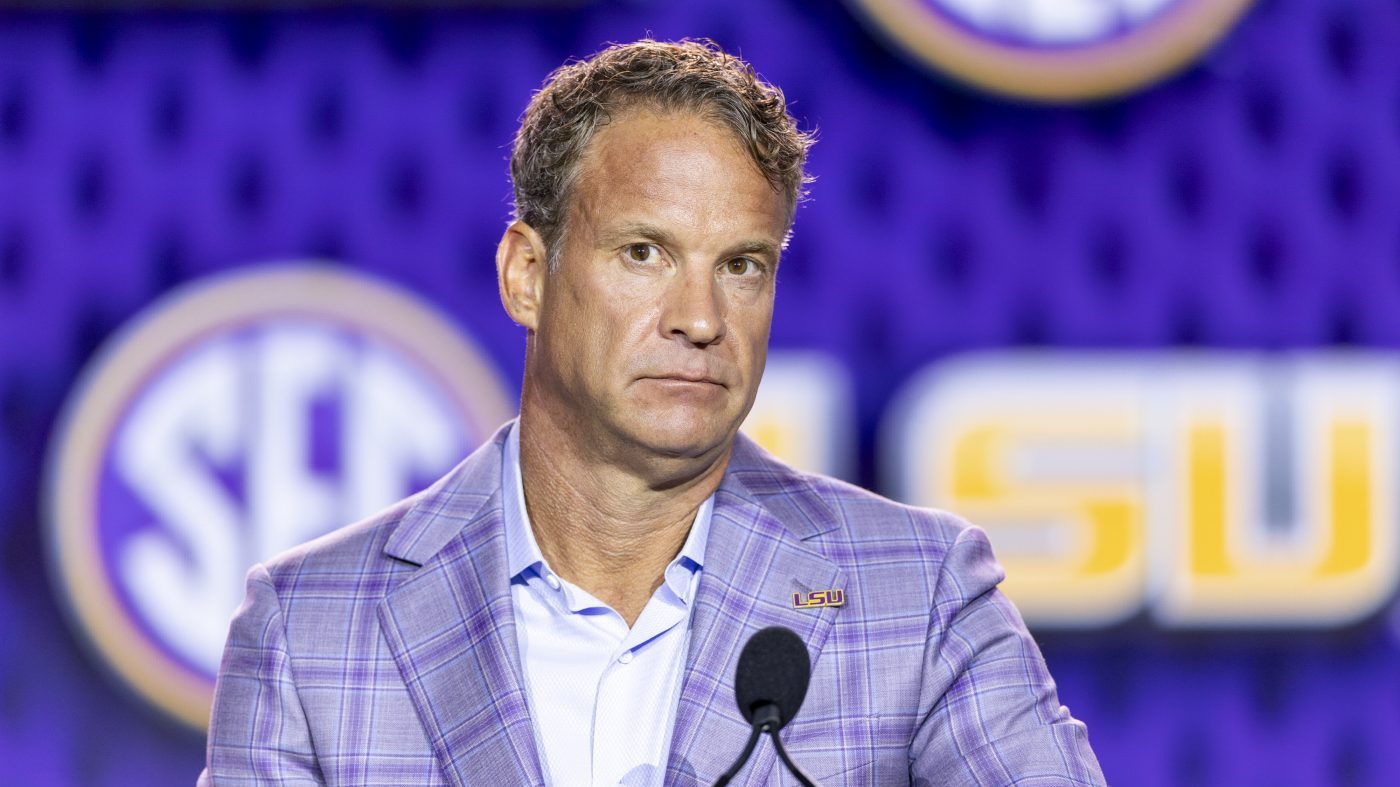
The Southeastern Conference has taken legal action against Louisiana State University and its head football coach, Lane Kiffin, alleging a coordinated scheme to recruit former NFL players to bolster the Tigers' roster. The lawsuit, filed in federal court in Alabama, claims LSU engaged in a deliberate effort to sign professional athletes for the 2026-27 season, including players who had contracts with NFL teams such as the Cleveland Browns, New Orleans Saints, and Tampa Bay Buccaneers.
In its complaint, the SEC asserts that at least two former professional players are already on campus and participating in team practices. The conference also notes that LSU officials have publicly indicated their intention to place these athletes on the official roster and allow them to play in regular-season games. The suit seeks to prevent LSU from using these players, arguing that doing so would create an unfair competitive imbalance across the conference.

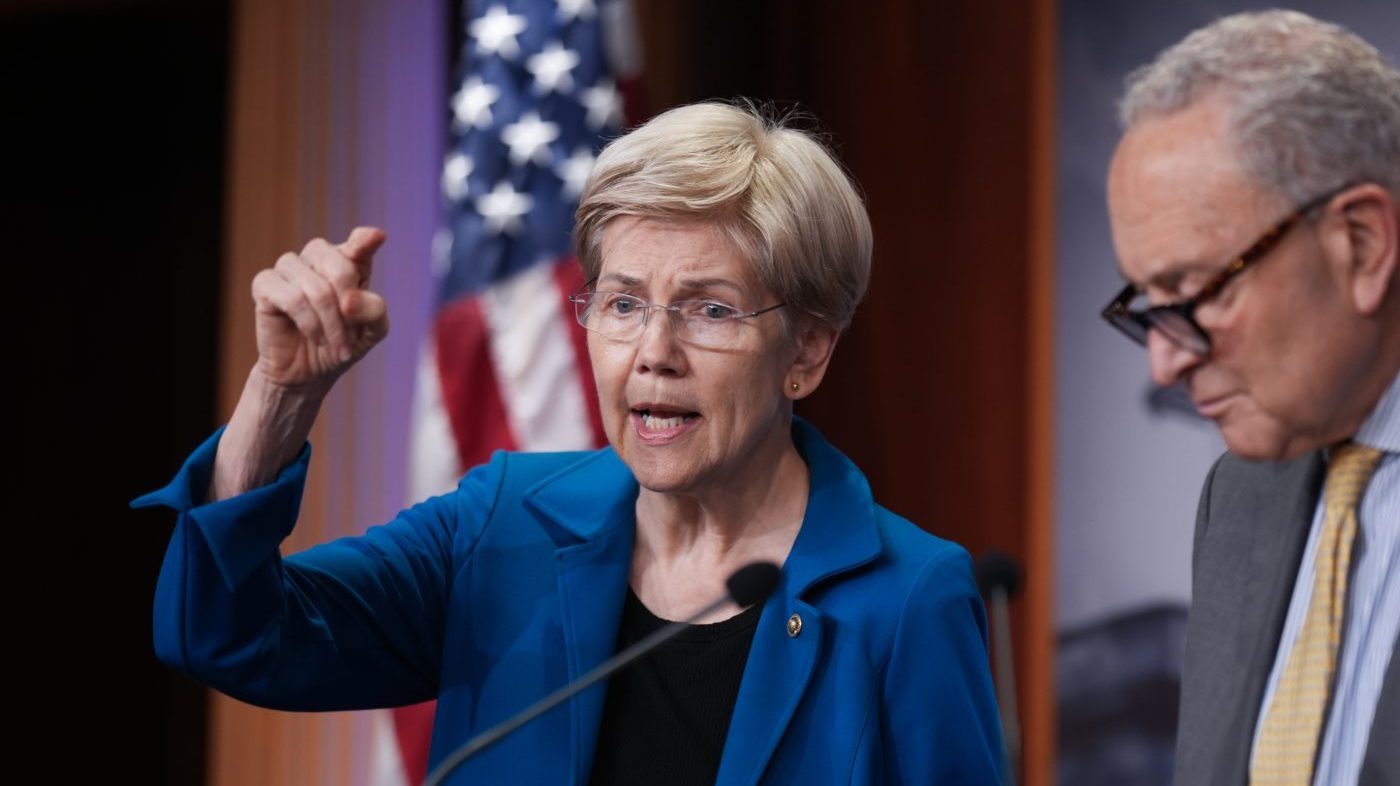
The legal clash comes amid a broader power struggle between the SEC and member institutions over how to handle the influx of professional talent into college football. The conference has previously floated the possibility of expelling LSU if it proceeded with such recruiting tactics. The SEC's move also aligns with ongoing congressional efforts to overhaul college athletics governance, including proposed legislation that would grant the NCAA and its schools antitrust protections and impose limits on player transfers and name, image, and likeness earnings.
Meanwhile, a Louisiana judge was scheduled to rule on a temporary injunction that could have allowed several players cut from NFL rosters this fall to suit up for LSU. That decision was pending as of Thursday, adding urgency to the SEC's federal filing. The case has been assigned to U.S. District Judge Annemarie Axon, a Trump appointee.
LSU is set to open its season Saturday at home against Clemson, and it remains unclear whether Kiffin will field any of the players who attended NFL camps. The SEC's lawsuit could cast a shadow over the game, as the conference seeks a court order to block their participation.
This dispute is part of a larger trend of conferences and the NCAA trying to adapt to a rapidly changing landscape where athletes have more professional opportunities and schools are exploring new ways to gain an edge. The federal government's role in sports governance has become a point of contention, with lawmakers weighing in on both sides. The SEC has thrown its support behind the Senate's "Protect College Sports" Act, which aims to codify some of these restrictions.
Legal experts say the outcome could set a precedent for how conferences handle similar cases in the future. The SEC's decision to sue rather than rely solely on internal sanctions signals a more aggressive posture, possibly reflecting frustration with LSU's defiance. For now, the focus is on the immediate injunction ruling and whether the Tigers will be forced to adjust their lineup before Saturday's kickoff.
As the story develops, stakeholders across college sports are watching closely, as state and federal authority over sports-related matters continues to be tested. The intersection of professional and college football is becoming increasingly blurred, and this lawsuit may be a defining moment in how those boundaries are drawn.