The deaths of three U.S. servicemembers within a 24-hour period this weekend have intensified concerns that President Trump may be driven toward further military escalation in the ongoing conflict with Iran. The fatalities bring the total American death toll to 17 since hostilities erupted in March, marking a grim milestone in a war that has already seen nearly 100 U.S. personnel wounded since July 7, according to the Pentagon.
Vali Nasr, a professor of international affairs and Middle East studies at Johns Hopkins University, said the back-and-forth killings are reshaping Trump’s political calculus. “It puts its own pressure,” Nasr told The Hill. “What if in the next few days another four or five are injured or killed, or a U.S. ship is hit? Each event finds its own logic, regardless of what either side thought about controlling the war.”
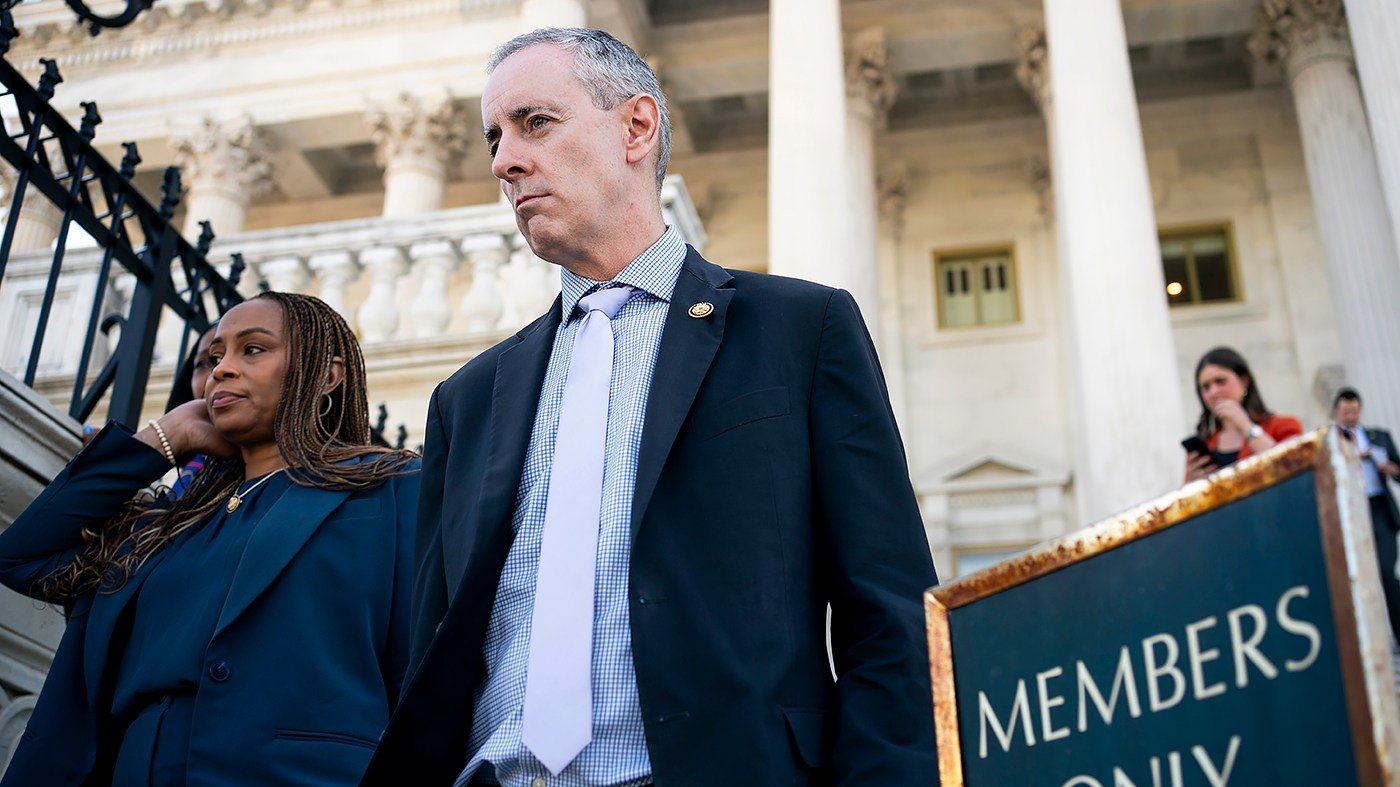
Victoria Coates, Trump’s former national security adviser, described the servicemembers’ deaths as “a new phase” in the conflict. “It’s a very sobering event that brings back the seriousness of this engagement and the viciousness of the Iranian regime,” she said, calling Tehran “increasingly desperate.”
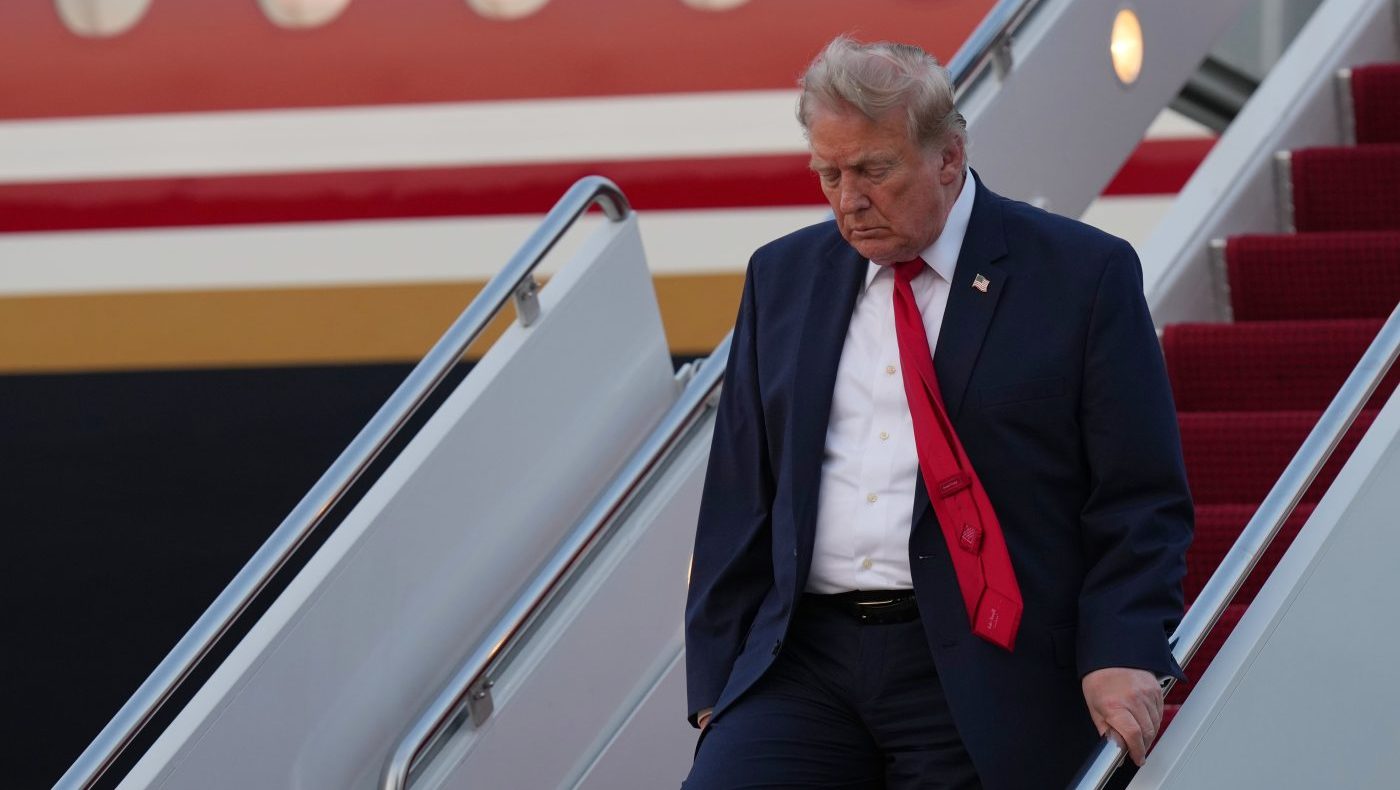
The U.S. retaliated over the weekend by launching strikes on Iranian military command centers, air defense and coastal surveillance sites, maritime capabilities, and missile and drone launch positions. Trump warned on TruthSocial that “every time Iran kills an American Soldier they will pay many times over.” The White House confirmed Trump will attend the dignified transfer of the fallen troops at Dover Air Force Base, as reported in coverage of the president’s plans to honor the dead.
Michael Rubin, a Pentagon official under President George W. Bush, called military deaths a predictable outcome of war. “It’s naive to believe nobody will get killed,” he said. “But it’s jarring, and it gives fodder to those around Trump saying ‘you need to respond, or Iran will repeat its actions.’”
Despite the escalation, both Washington and Tehran have left diplomatic doors ajar. Secretary of State Marco Rubio told reporters the administration remains open to talks. “We’ve tried multiple times, and we’ll continue to try,” he said at Joint Base Andrews. Iran’s Foreign Ministry spokesman Esmail Baghaei confirmed the two sides are still exchanging messages through mediators, though he declined to provide specifics.
The U.S. military has now struck Iran for 10 consecutive days since a fragile ceasefire collapsed. Targets have ranged from coastal surveillance facilities to underground weapons storage sites and bridges. Meanwhile, Iran has retaliated against U.S. positions in Qatar, Bahrain, Kuwait, and Jordan. Kuwaiti forces are working to intercept Iranian munitions, and Jordanian air defenses downed three incoming missiles on Monday.
Coates noted that Iran’s missile capability has been severely degraded since the war began. “They’ve gone from well over a hundred launches a day to single digits,” she said. “That damage will only get worse for them.” Still, Nasr warned the conflict could spiral further. “You can start wars, but you can’t control how they unfold,” he said, adding that economic pressure from the Strait of Hormuz blockade may force another truce—or push both sides into a “much larger war.”
The Pentagon reported that 96 percent of wounded servicemembers have returned to duty, but the rising death toll has sharpened the political stakes for Trump. As the administration weighs its next moves, the possibility of escalation remains high, even as diplomatic channels stay open.