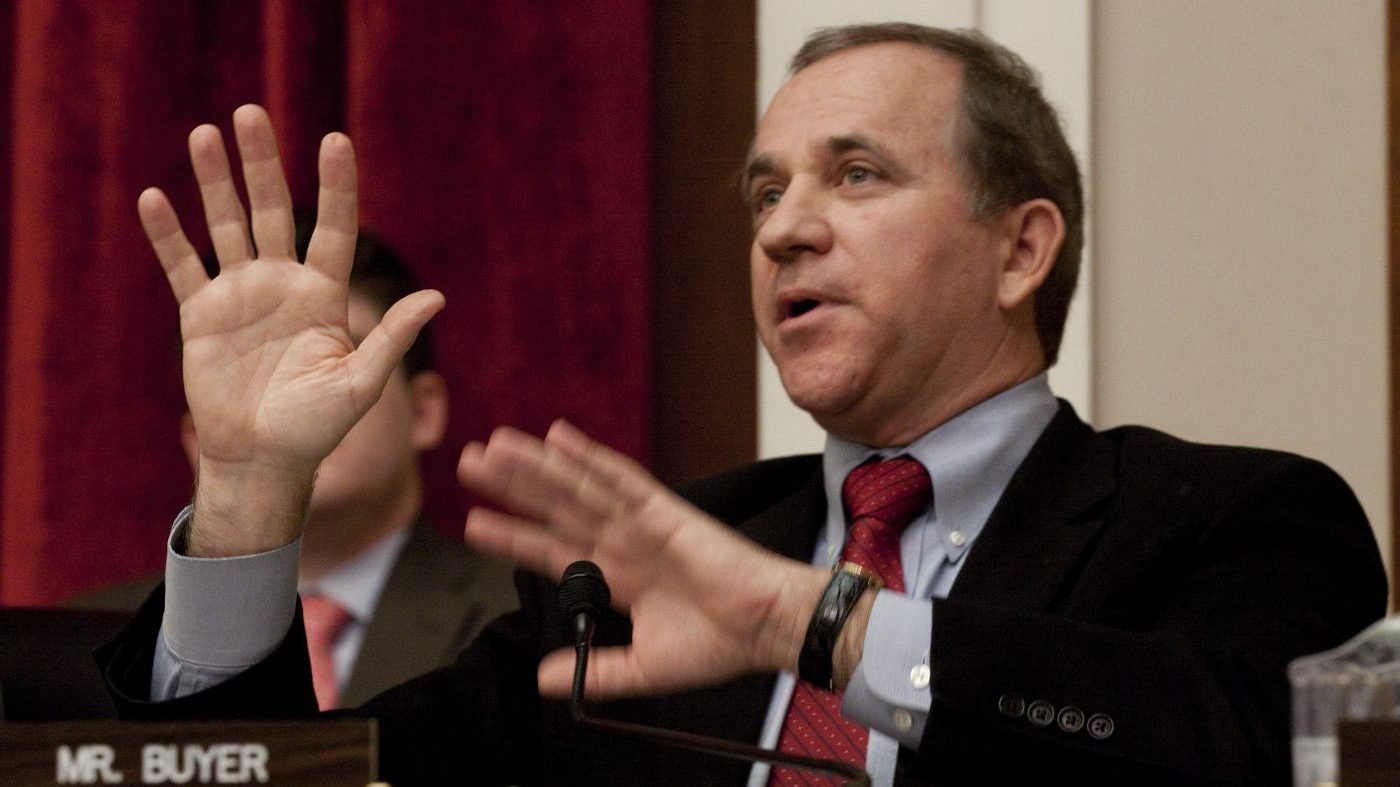
President Trump issued a full, unconditional pardon this week to former Republican Representative Stephen Buyer of Indiana, who was convicted in 2023 on four counts of securities fraud for insider trading. The White House announced the clemency on June 4, with a proclamation citing Buyer’s military service as a judge advocate general in the U.S. Army and his tenure in Congress as “distinguished and highly productive.”
The pardon came without detailed explanation, but the proclamation noted that Trump acted on the “advice and recommendation” of more than 50 current and former senators and representatives, including Republican Senators Roger Wicker of Mississippi and Lindsey Graham of South Carolina. Buyer was sentenced to 22 months in prison after pocketing nearly $350,000 from two separate insider trading schemes.
Prosecutors detailed that Buyer bought hundreds of thousands of dollars in Sprint shares in 2018 after learning of the company’s planned merger with T-Mobile, a client of his consulting firm. He made over $126,000 when the merger became public. In a second scheme, he acquired more than $1 million in Navigant Consulting shares after learning a client intended to acquire the firm, selling them for a $227,000 profit the day the acquisition was announced.
The Justice Department under the Biden administration also accused Buyer of providing false explanations for his trades during his March 2023 trial. After sentencing, Damian Williams, then-U.S. Attorney for the Southern District of New York, said Buyer “abused positions of trust for illicit personal gain.” Buyer appealed to the Supreme Court, which declined to hear his case.
Buyer maintained his innocence, telling the Associated Press that the pardon “corrects a politically motivated prosecution.” He was released from prison in 2025. Trump has not publicly commented on the pardon, but he shared letters on Truth Social late last month from dozens of former GOP lawmakers urging clemency. They wrote that Buyer, like Trump, was “the victim of lawfare conducted by the Biden administration” and targeted by the “deep state” for his role as a House prosecutor in President Bill Clinton’s 1998 impeachment trial.
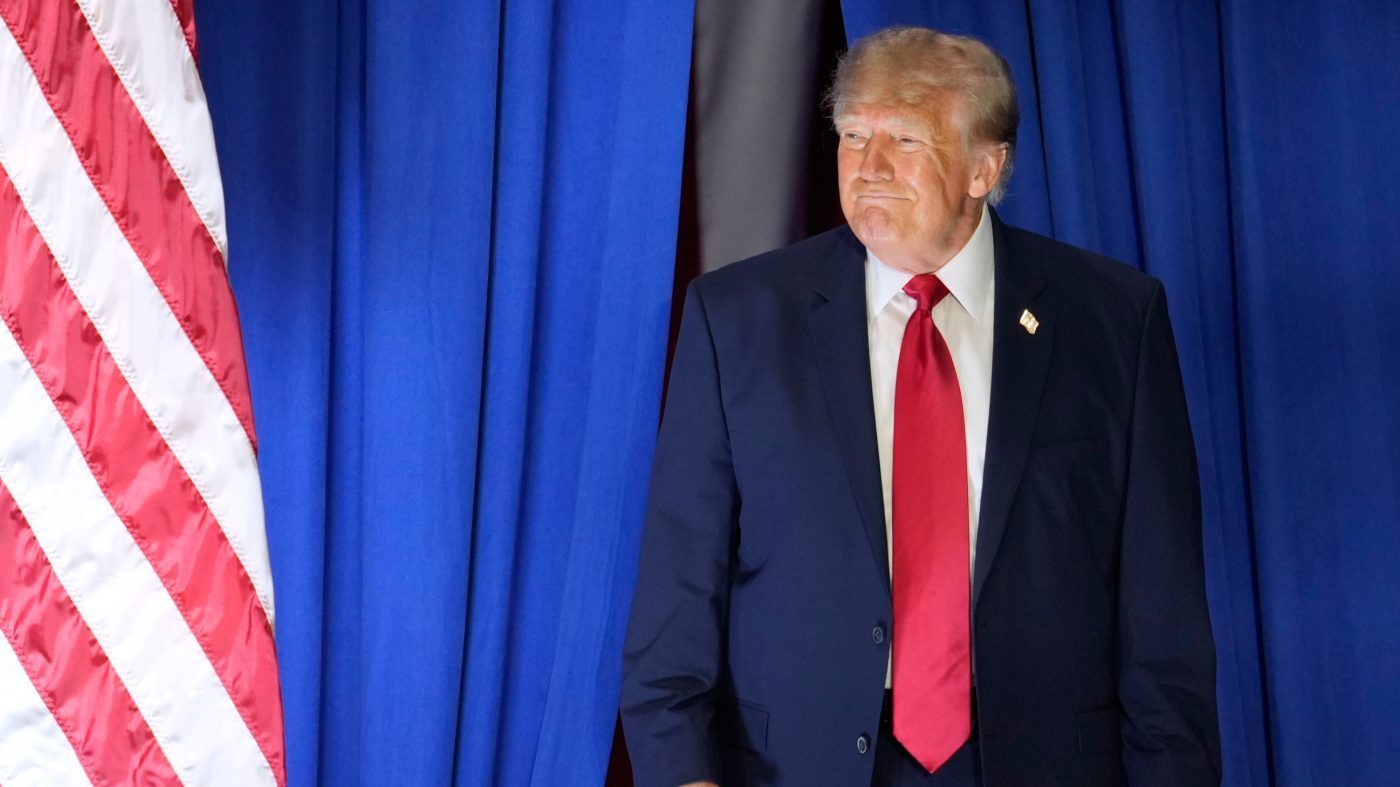
The pardon adds to Trump’s extensive use of clemency powers in his second term. He has granted over 1,600 pardons and commutations, including to nearly all individuals who stormed the U.S. Capitol on January 6, 2021. The move also aligns with a broader pattern of Trump intervening in cases he frames as politically motivated, a theme that has resonated with his base.
The Buyer pardon comes amid a series of administration actions that have drawn both praise and criticism. For instance, Trump has expanded his drug price platform by adding 160 new medications, touting his tariff strategy as a way to lower costs. At the same time, GOP senators have pushed back on Trump as a budget fight exposes rifts within the party. Meanwhile, the president’s focus on reshaping Washington has alarmed some GOP strategists as midterms near, with Trump's D.C. makeover push raising concerns about electoral consequences.
Critics argue that the pardon undermines financial market integrity, while supporters see it as rectifying a flawed prosecution. The case highlights the ongoing debate over the use of presidential pardons and the politicization of the justice system. Buyer's release has already sparked renewed discussion among legal experts about the boundaries of executive clemency.