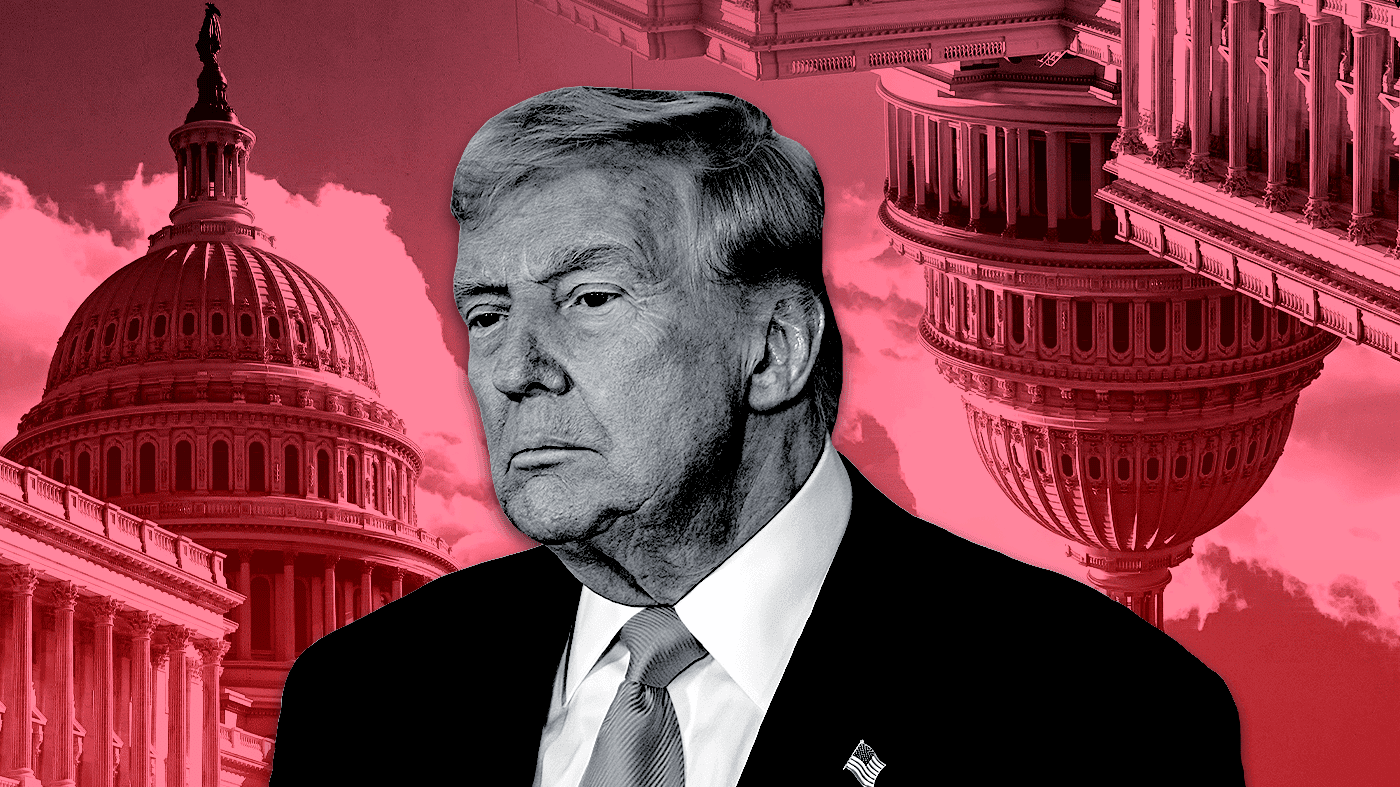
Tensions between President Trump and Senate Republicans erupted into public view this week as GOP lawmakers used a series of amendment votes on a $70 billion budget reconciliation bill to create clear distance from the White House. The move signals a deepening rift that threatens to complicate the party's legislative agenda heading into the midterms.
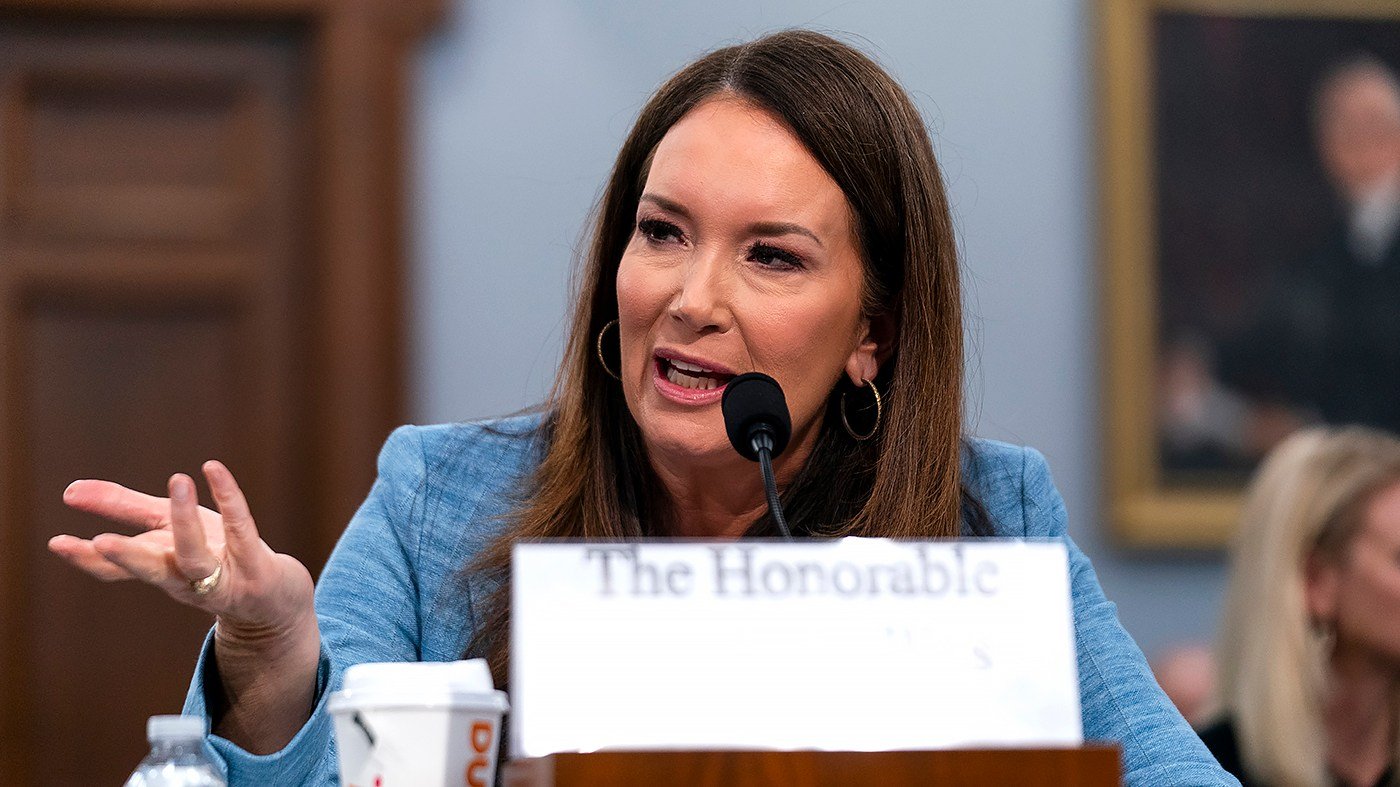
Three vulnerable Republican incumbents—Sens. Susan Collins of Maine, John Husted of Ohio, and Dan Sullivan of Alaska—led the charge, voting to separate themselves from Trump's most controversial ideas, including a proposed 90,000-square-foot White House ballroom and a $1.8 billion “anti-weaponization” fund for allies who claim they were targeted by the Biden-era Justice Department. Their defections highlight the political tightrope these senators must walk as they face tough re-election battles in November.
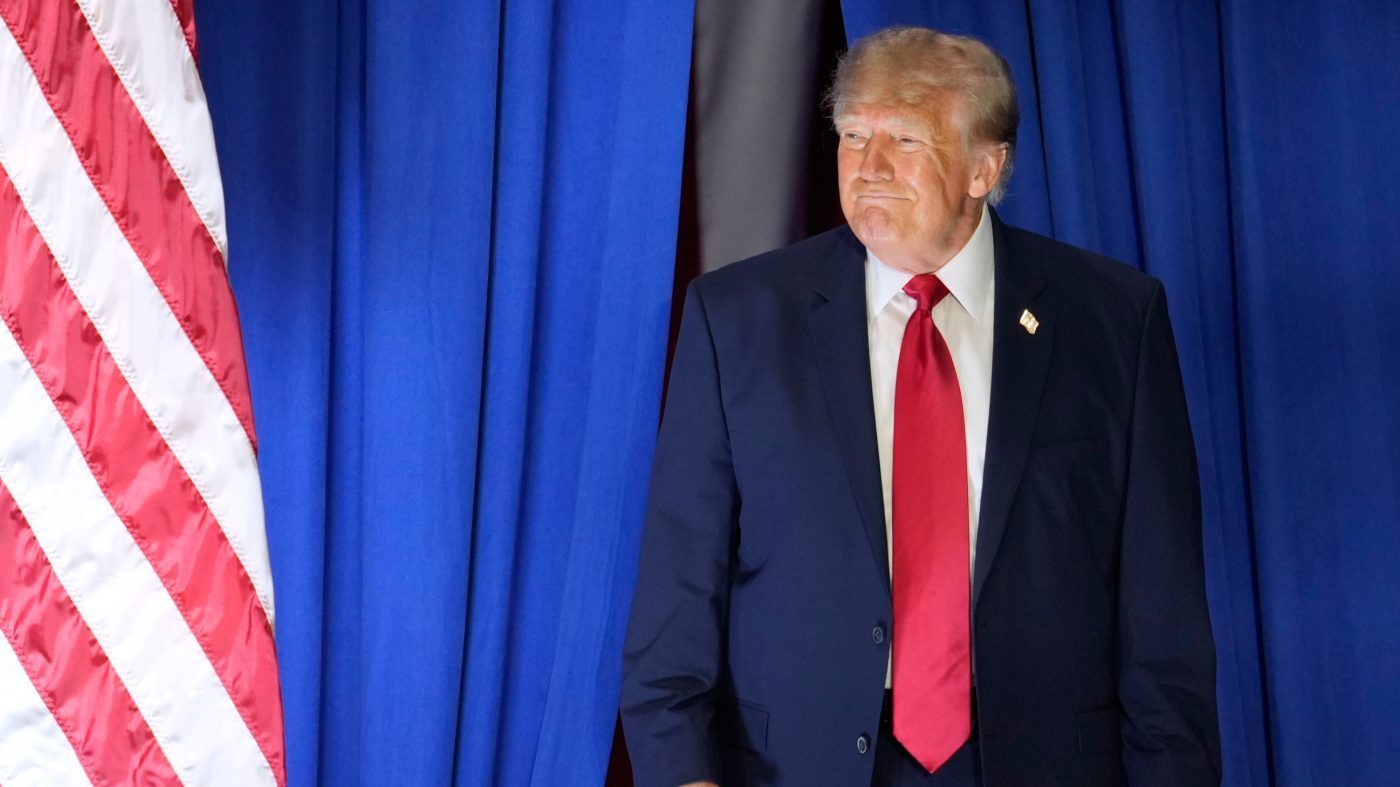
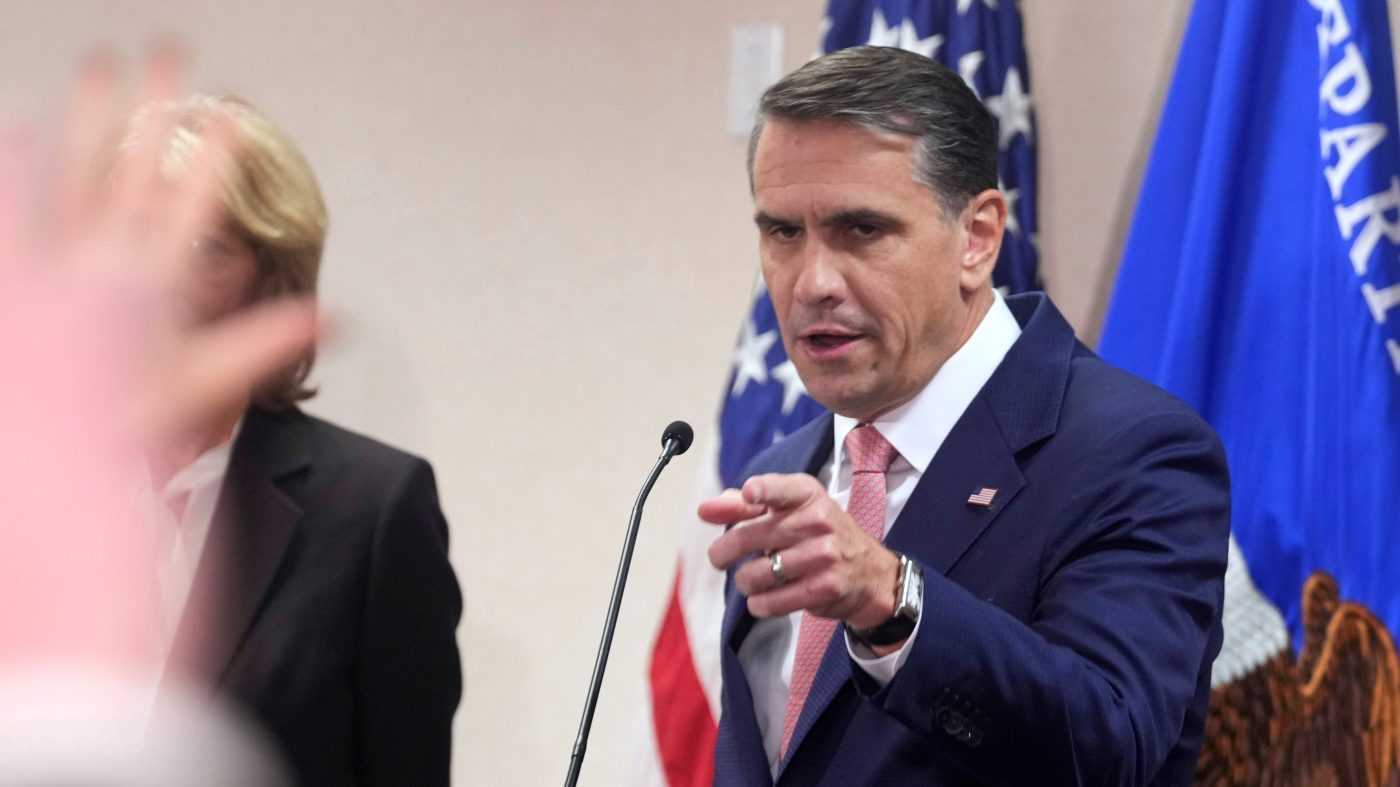
The fractures extend beyond the campaign trail. Senators who lost their primaries after Trump endorsed their opponents, such as Bill Cassidy of Louisiana and John Cornyn of Texas, are now more assertive in voicing their independence. Cornyn, who sits on the Judiciary Committee, made clear he will demand answers from Trump's nominee for attorney general, Todd Blanche. “He needs to answer some questions for me,” Cornyn said, adding that Blanche must commit to being “the chief law enforcement officer of the country, not the president’s lawyer.”
Senate Majority Leader John Thune is struggling to keep the GOP agenda on track as the White House announces controversial moves just before critical votes, upending whip counts. The administration's push for the anti-weaponization fund, which Trump defended as “a beautiful thing,” has become a recurring headache. Democrats have vowed to force repeated votes on amendments blocking the fund and the ballroom, putting pressure on vulnerable Republicans to choose sides.
Cassidy, now a wildcard after his primary defeat, argued on the Senate floor that the anti-weaponization fund remains very much alive as part of a settlement involving Trump's personal finances. His influence will be felt on nominations for the Food and Drug Administration and surgeon general, giving him leverage to push back against Trump's picks.
Meanwhile, Trump's nominee for director of national intelligence, Bill Pulte, faces an uphill battle. Several GOP senators have raised concerns about Pulte's credentials, and the administration's push to shrink intelligence agencies has only added to the skepticism. As one senior aide put it, “The White House keeps throwing grenades, and we're the ones who have to clean up the mess.”
The growing divide underscores a broader challenge for the GOP: balancing loyalty to a president who demands fealty with the political realities of swing-state electorates. With midterms looming, the question is whether Senate Republicans can navigate these tensions without derailing the party's agenda entirely.