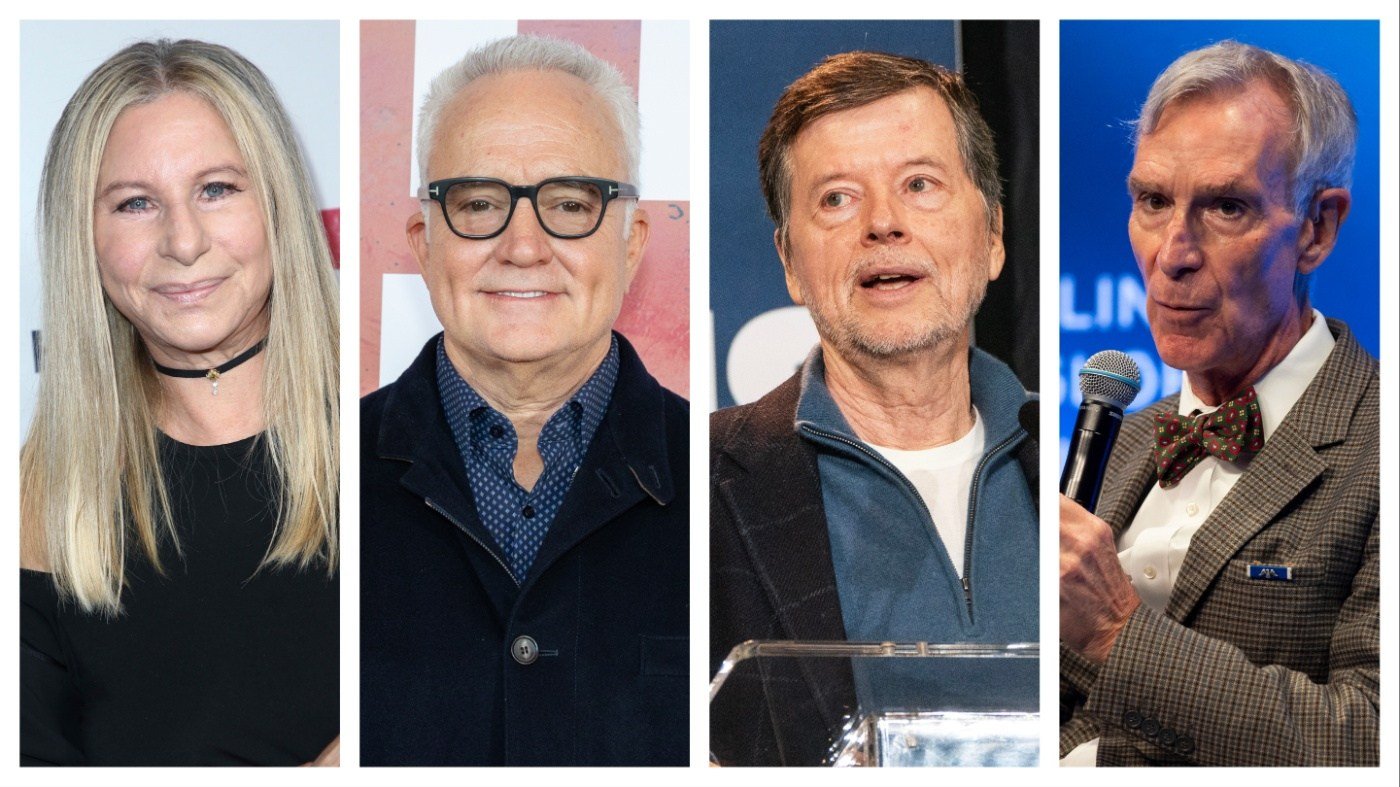
Politics is a game of endless hypotheticals, and for Democrats, the regrets cut deep. What if Al Gore had campaigned with Bill Clinton in Tennessee? What if Kamala Harris had a few more weeks? But one counterfactual stands out: What if Bernie Sanders had secured the Democratic nomination in 2016? According to veteran commentator Bill Press and Sanders' former campaign manager Tad Devine, the answer is clear—Donald Trump would never have become president.
Press, a self-described Hillary Clinton supporter who worked for her in the general election, backed Sanders in the primary because he believed then—and still believes—that the Vermont senator was the stronger candidate against Trump. In a new book, How the Democrats Screwed Bernie, Devine documents the systematic ways party insiders thwarted Sanders' campaign, from limiting debates to coordinating with the Clinton campaign.
The Democratic National Committee scheduled only four debates in 2015, a stark contrast to the 25 debates held during the 2008 primary. Sanders' requests for more were ignored. It wasn't until WikiLeaks released hacked emails in October 2016 that the public learned the DNC had tailored the debate schedule to Clinton's preferences without consulting the Sanders campaign. Press argues this was part of a broader effort by the Clinton campaign, the Obama White House, Senate leadership, and the DNC to crush the insurgent candidate.
Devine points to Sanders' primary wins in Michigan and Wisconsin as evidence that he could have outperformed Clinton in the Rust Belt, a region that ultimately tipped the election to Trump. Both Sanders and Trump ran as outsiders, tapping into the anger of voters left behind by globalization and distrustful of establishment politicians. As Devine puts it, they were “two sides of the same populist coin.” The difference, he argues, is that the Republican Party rallied behind its change candidate, while Democrats sabotaged theirs.
Had the choice been between Sanders and Trump, Press contends, voters would have seen the contrast between an authentic populist and a phony one. Republican senators like Lindsey Graham, Marco Rubio, and Ted Cruz recognized Trump's lack of substance, and Devine believes the real populist would have won. The implications are staggering: no Trump presidency, no January 6th, no overturning of Roe v. Wade.
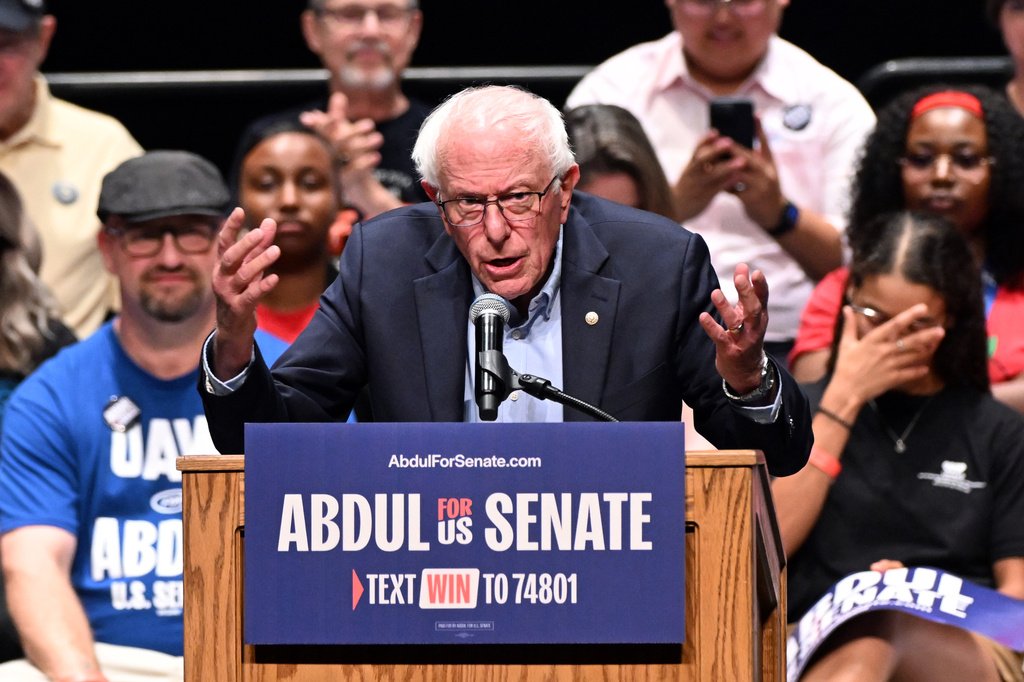
But Devine's book isn't just a postmortem; it's a warning. Press argues that Democratic leaders like Senate Minority Leader Chuck Schumer haven't learned the lesson. In New York City, Schumer refused to endorse Zohran Mamdani, the progressive candidate for mayor, a move that mirrors the establishment's rejection of Sanders. In Maine, he tried to dictate Janet Mills as the Senate candidate, and in Michigan, he backed establishment Rep. Haley Stevens over popular health advocate Abdul El-Sayed. In each case, Sanders has endorsed the progressive challenger, and his anti-establishment message—focused on healthcare, living wages, climate change, and college affordability—resonates with voters.
On Press's podcast, Devine distilled the lesson for Democrats: “Let the voters decide who they want as their candidate. Don’t try to dictate those decisions from Washington.” Mamdani's campaign, which has also stirred controversy over Israel, shows the party's ongoing struggle to embrace insurgent candidates. Similarly, Fetterman's recent criticism of Sanders' endorsements highlights the internal friction. Press concludes that if Democrats want to win, they need to stop repeating the mistakes of 2016 and let the people choose.