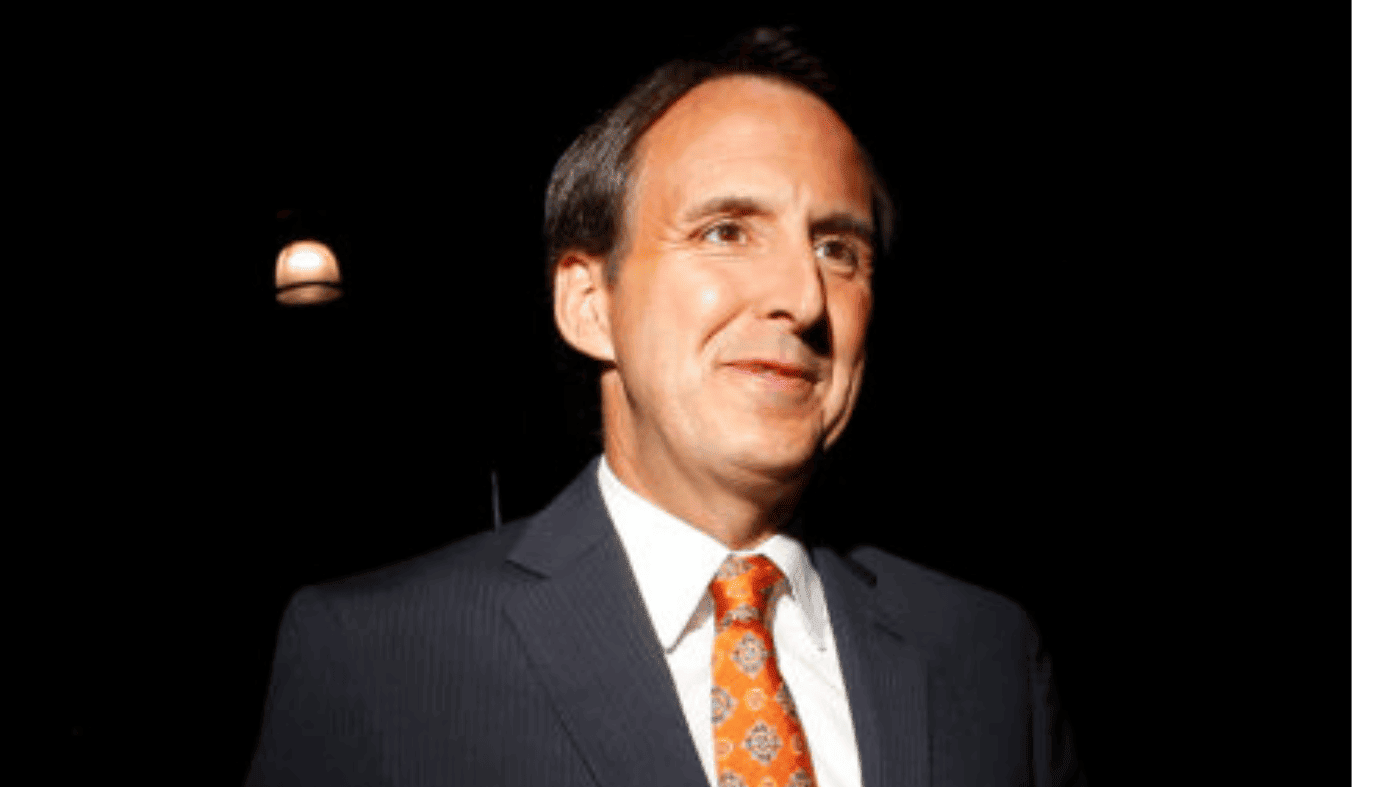
Former Minnesota Republican Governor Tim Pawlenty on Tuesday acknowledged that the federal investigation into Representative Ilhan Omar carries an inescapable political dimension, given the timing of the search of the Democrat's home just weeks before the midterm elections.
Federal agents searched Omar's Washington, D.C., residence on October 12 as part of a criminal probe into allegations of fraud and false statements in immigration paperwork. The action drew swift condemnation from Democrats, who highlighted the proximity to Election Day.
“The timing of it does suggest a political layer to it,” Pawlenty told CNN’s Kate Bolduan on “CNN This Morning.” “Of course, because it’s political doesn’t mean it isn’t necessarily meritorious.”
Pawlenty pointed out that the judge who signed the search warrant, D.C. District Judge Matthew Sharbaugh, previously clerked for Democratic officials, a detail that could fuel speculation about the probe’s motivations.
“I don’t know whether there’s something real here or not,” Pawlenty said. “All of us are just going to have to wait until the actual evidence is produced.”
Omar, a frequent target of President Trump and his administration, decried the raid as an act of “political intimidation” in a social media post. Her supporters have drawn parallels to other instances where the administration has used federal power against political opponents, a theme that has echoed in concerns about political prosecutions.
The conversation also turned to the president’s repeated mispronunciation of Michigan Senate candidate Abdul El-Sayed’s name. Trump has called him “Mohammed” at rallies and on social media, despite El-Sayed’s middle name being Mohamed—a fact Trump admitted he did not know before a Monday rally in Kansas.
“Actually his middle name is Mohamed, if you can believe it. It’s true,” the president said. “The one good thing, if you call somebody from that part of the world Mohamed, you’re about 65 percent sure to get it right.”
El-Sayed and other Democrats have accused Trump of using his Muslim faith as a political weapon. “He knows my middle name is Abdul. He says it everyday,” El-Sayed wrote on social media, responding to Trump’s “Mohammed El-Sayed” reference. “But he’s not just attacking me. He’s attacking all of us. He thinks so low of us.”
Pawlenty, who has been critical of Trump’s rhetoric, expressed a desire for the president to refocus on pressing issues like rising energy prices and the ongoing military operations against Iran. “I wish he would focus more on the main issue at the moment, which is what are we going to do about these rising costs in our economy?” he said.
The intersection of the Omar probe and the El-Sayed controversy underscores the charged political atmosphere ahead of the elections, with Minnesota’s gubernatorial race also drawing national attention. As the administration faces scrutiny over its handling of conflicts and corruption allegations, the timing of federal actions against Democrats remains a flashpoint.