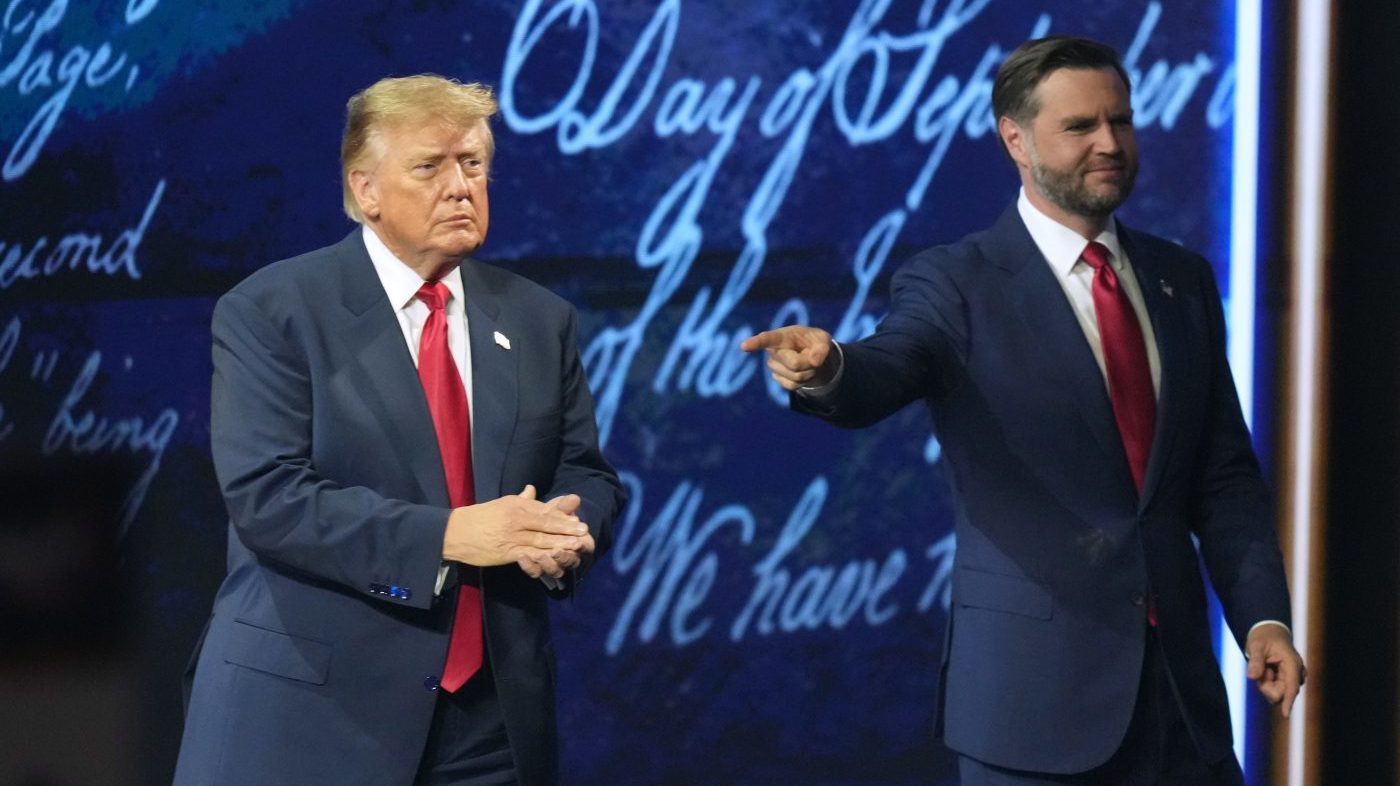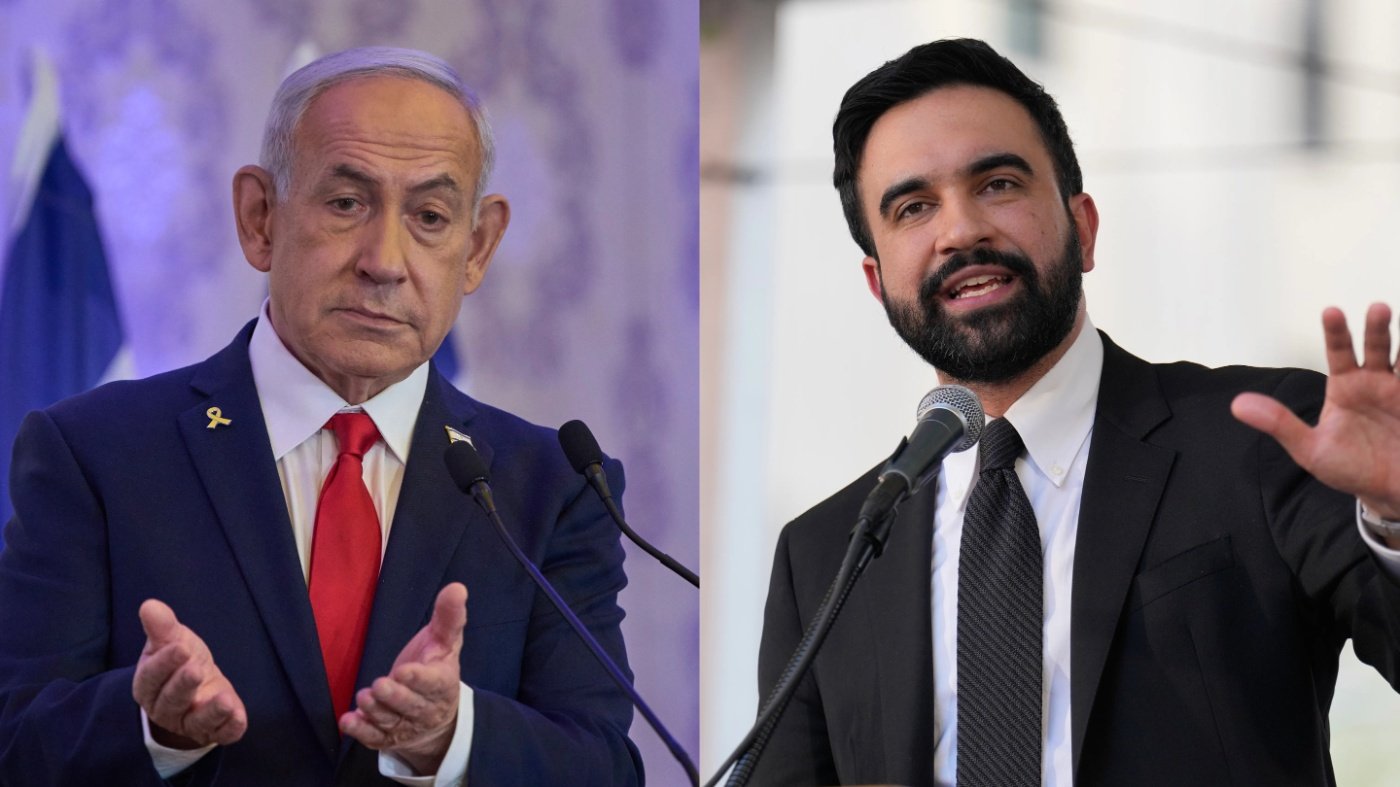
New York City Mayor Zohran Mamdani has escalated intra-party tensions by publicly threatening to arrest Israeli Prime Minister Benjamin Netanyahu when he visits the United Nations General Assembly in September. The move underscores a growing schism within the Democratic Party over its relationship with Israel, as a vocal progressive wing pushes to end U.S. military aid and hold Israeli leaders accountable for alleged war crimes.
In an interview with The New York Times, Mamdani stated he is in “active conversation” about whether an arrest warrant for Netanyahu can be executed in New York. “I believe that Prime Minister Netanyahu belongs in the Hague. He’s a war criminal who has been charged by the International Criminal Court,” Mamdani said. He added that this opinion is “held by many” within his party, signaling a shift among Democrats increasingly critical of Israel’s military campaign in Gaza.

The International Criminal Court issued its arrest warrant for Netanyahu in November 2024 on charges of war crimes related to the war against Hamas. Netanyahu has traveled to the UNGA in 2024 and 2025 without incident, and the Biden administration took no action to prevent his visits. However, Mamdani’s threat—and his willingness to discuss it publicly—has drawn sharp reactions from across the political spectrum.
Some Democrats applaud Mamdani for taking a principled stand. “He’s representing a majority perspective that is growing and he is a highly credible and trusted messenger,” said Democratic strategist Joel Payne, noting that Mamdani has been consistent on Israeli abuses since before his mayoral run. Others, however, warn that such rhetoric could alienate swing voters in a general election. “I don’t think any of this is helpful to our party,” said Democratic strategist Steve Schale. “To win a general election in November, we’re going to need voters who span the spectrum on that issue.”
The debate comes after a July 15 House vote in which 103 Democrats backed an amendment to halt all U.S. military assistance to Israel. The amendment, sponsored by Rep. Thomas Massie (R-Ky.), drew support from both progressive Democrats and some centrists frustrated with Netanyahu’s leadership. Rep. Rashida Tlaib (D-Mich.), the lone Palestinian American in Congress, praised colleagues who “voted to stop funding Israel’s genocide of the Palestinian people.” Rep. Adam Smith (D-Wash.), ranking member of the House Armed Services Committee, explained his vote by citing the need to “force the Netanyahu government to change their actions,” while condemning far-left protesters who have vandalized his home and harassed his staff.
President Trump weighed in on Truth Social, asserting that Netanyahu “will not be arrested, in any way, shape, or form, while in the United States of America.” Even some Democrats who oppose Netanyahu’s policies urged restraint. Rep. Ro Khanna (D-Calif.), who voted to halt military aid, argued against “creating a spectacle.” Democratic strategist Jamal Simmons called the arrest threat “more performative than productive,” noting that “the U.N. needs to be a place where every national leader can come speak.”
Mamdani’s stance reflects a broader realignment within the party, as detailed in our analysis of 2028 Democratic hopefuls staking out rival positions on Israel. The mayor’s threat also comes amid escalating regional tensions, with Adm. Stavridis flagging an Iranian threat to the Suez Canal as U.S. strikes intensify. Meanwhile, Iran warns of full-scale war if American attacks persist, threatening “no safe borders.”
Foreign heads of state traveling to the UN are typically granted diplomatic amnesty for official business, complicating any attempt by local officials to enforce ICC warrants. Mamdani acknowledged this, telling the Times: “Whatever the law allows me to do in New York City, that’s what we will do, but we won’t be writing our own laws to that end.”
As the party wrestles with these internal fractures, the Netanyahu episode is likely to be a flashpoint in the 2028 primaries and beyond. For now, Mamdani’s threat has drawn a clear line in the sand—one that may define the Democratic Party’s future stance on Israel for years to come.