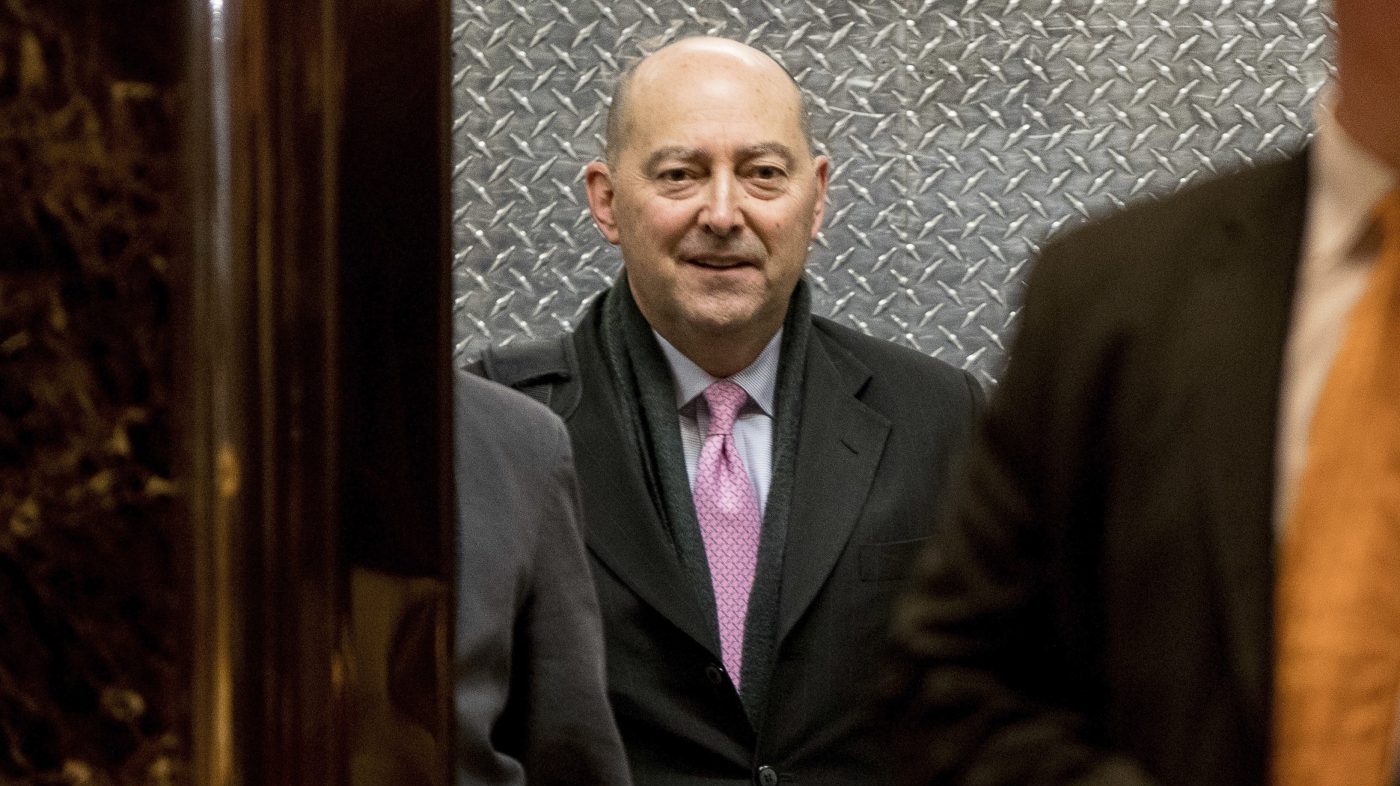
Retired U.S. Navy Admiral James Stavridis has raised alarms about Iran's potential moves against the Suez Canal, a waterway he says carries more traffic than the Strait of Hormuz. Speaking on CNN's State of the Union, Stavridis pointed to Tehran's growing rhetoric and its use of Houthi militants in Yemen to threaten the strategic chokepoint.
"It's got more traffic flowing through it than the Strait of Hormuz and the Iranians are beginning to make noises about attempting to close that, using the Houthis in the southwest corner," Stavridis said. The Houthis, an Iran-backed group, have long been a proxy force for Tehran in the region.
The warning comes as the U.S. and Iran have plunged back into open conflict, shattering a memorandum of understanding signed just last month that aimed for a final peace deal. U.S. airstrikes against Iranian targets have now stretched beyond a week, with the latest wave hitting energy infrastructure, port facilities, and bridges. U.S. Central Command said Saturday night's strikes were designed to degrade Iran's ability to threaten commercial shipping in the Strait of Hormuz and punish the Islamic Revolutionary Guard Corps for launching missiles and drones at U.S. forces in Jordan.
The American military death toll has climbed to 16 since hostilities resumed, with two service members killed at air bases in Jordan on Friday. President Donald Trump, in an interview with NewsNation, mourned the fallen troops and reiterated his commitment to preventing Iran from acquiring a nuclear weapon. "We hate to see it happen... And they, every one of them will never allow, they'll fight to the death. But never allowing Iran to have a nuclear weapon," Trump said.
Stavridis described Iran as "adaptive" in its approach, drawing parallels to Ukraine's tactics against Russia. He suggested Tehran is closely watching the war in Ukraine and employing similar methods—using innovation, drones, and maneuver warfare to inflict costs on the U.S., much as Kyiv has done to Moscow. "They're watching what's happening very closely in Ukraine, or they are kind of playing the part of the Ukrainians, using innovation, using drones, using maneuver, trying to inflict cost on us," the retired admiral explained.
The admiral also expressed concern about potential attacks on U.S. bases and personnel in less fortified locations globally, specifically citing Europe, South Korea, and Japan. "Those are vulnerabilities that I think the Iranians would not pause on exploiting," he said.
Iranian Supreme Leader Mojtaba Khamenei has blamed the U.S. for violating the ceasefire terms of the MOU. In a post on X early Sunday, he wrote, "The Great Satan – the criminal US – has now realized that the continuation of its trouble-free, domineering presence in the region is nothing but a naive fantasy." Iranian Foreign Ministry Spokesperson Esmail Baqaei echoed that sentiment on Saturday, accusing the U.S. of employing terrorist-like tactics. "For a State that once cast itself as the global champion of order, liberalism, and the war on terrorism, proudly displaying images of destroyed bridges and civilian infrastructure has become its only remaining 'victory,'" Baqaei posted.
The escalating conflict underscores the fragility of the region's stability, with the Suez Canal emerging as a potential flashpoint. As Stavridis noted, any disruption there would have global economic and security repercussions, far beyond the immediate theater of operations.