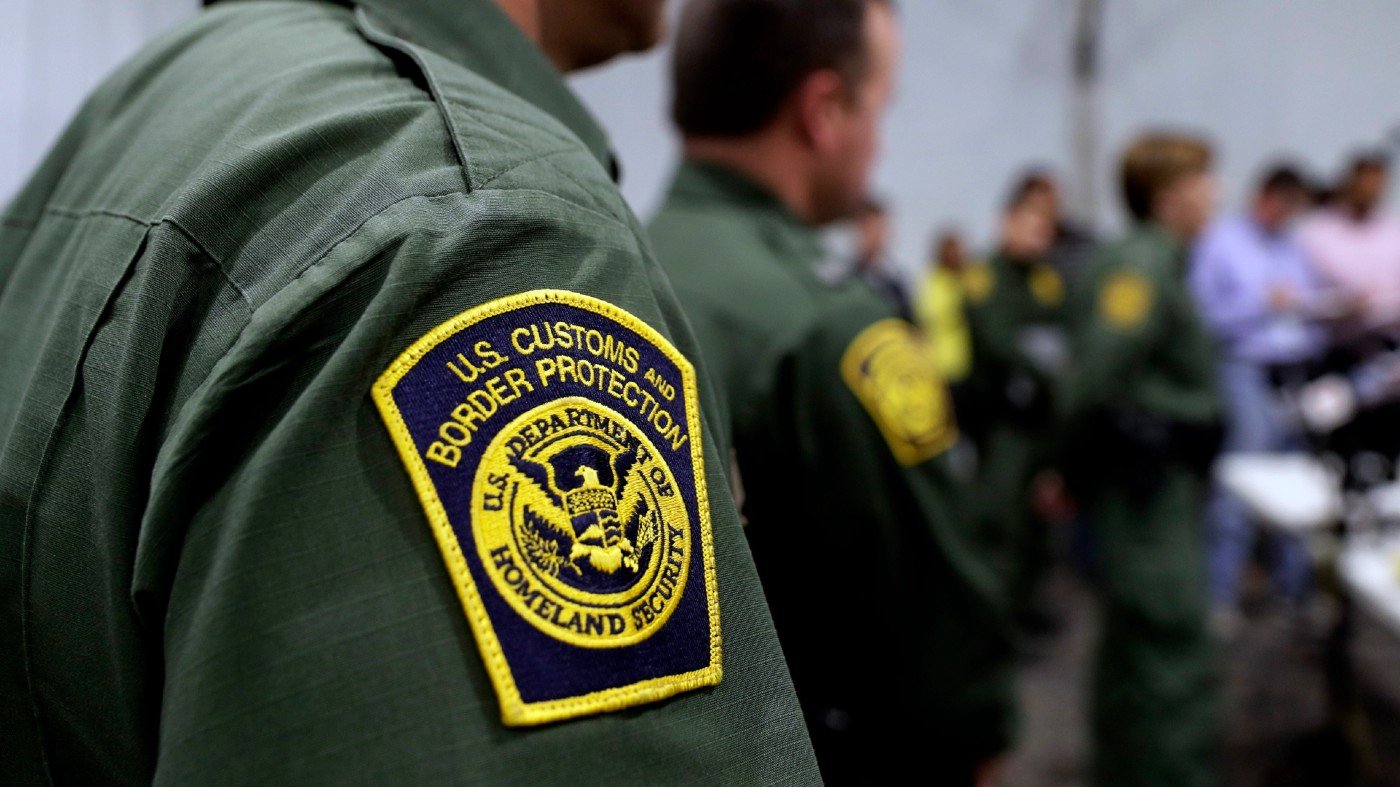
A U.S. Customs and Border Protection officer from El Paso, Texas, was indicted this week on charges that he used excessive force during a detention and then lied to supervisors to cover it up, federal prosecutors announced.
Jesus Espinosa, 52, appeared in federal court after being arrested on July 17. He faces one count of deprivation of rights under color of law and one count of making false statements to a government agency. The charges stem from an incident in August 2021, when Espinosa allegedly used a chokehold on a detainee, causing injury.
According to court documents, Espinosa later told his supervisor that the detainee had been aggressive and noncompliant. U.S. Attorney Justin R. Simmons for the Western District of Texas said those statements were knowingly false. The false account led to a report of assault on a federal officer, rather than the correct report of excessive force.
“This case highlights the importance of accountability in federal law enforcement,” Simmons said in a statement. “When officers abuse their authority and then lie about it, they undermine public trust and the rule of law.”
Espinosa was released from the El Paso County Detention Center on Monday after posting a $10,000 bond. If convicted, he faces up to 15 years in federal prison for both charges combined.
The indictment comes amid broader scrutiny of federal law enforcement conduct, including ongoing debates about immigration enforcement and due process. In a related development, the immigration courts system has faced criticism for staffing changes that critics say undermine fair hearings.
The case is being prosecuted by the U.S. Attorney's Office for the Western District of Texas. Espinosa's next court appearance has not yet been scheduled. The CBP did not immediately respond to a request for comment.
This incident adds to a pattern of alleged misconduct by border officers, raising questions about oversight and training. The Justice Department has recently launched a task force with the Pentagon to address leaks and internal accountability, though the Espinosa case is handled separately.
Legal experts say the false statement charge is particularly significant because it signals prosecutors are treating the cover-up as seriously as the underlying force. “Lying to investigators often carries harsh penalties because it obstructs justice,” said former federal prosecutor Sarah Chen. “This sends a message that the system won’t tolerate dishonesty from those sworn to uphold the law.”