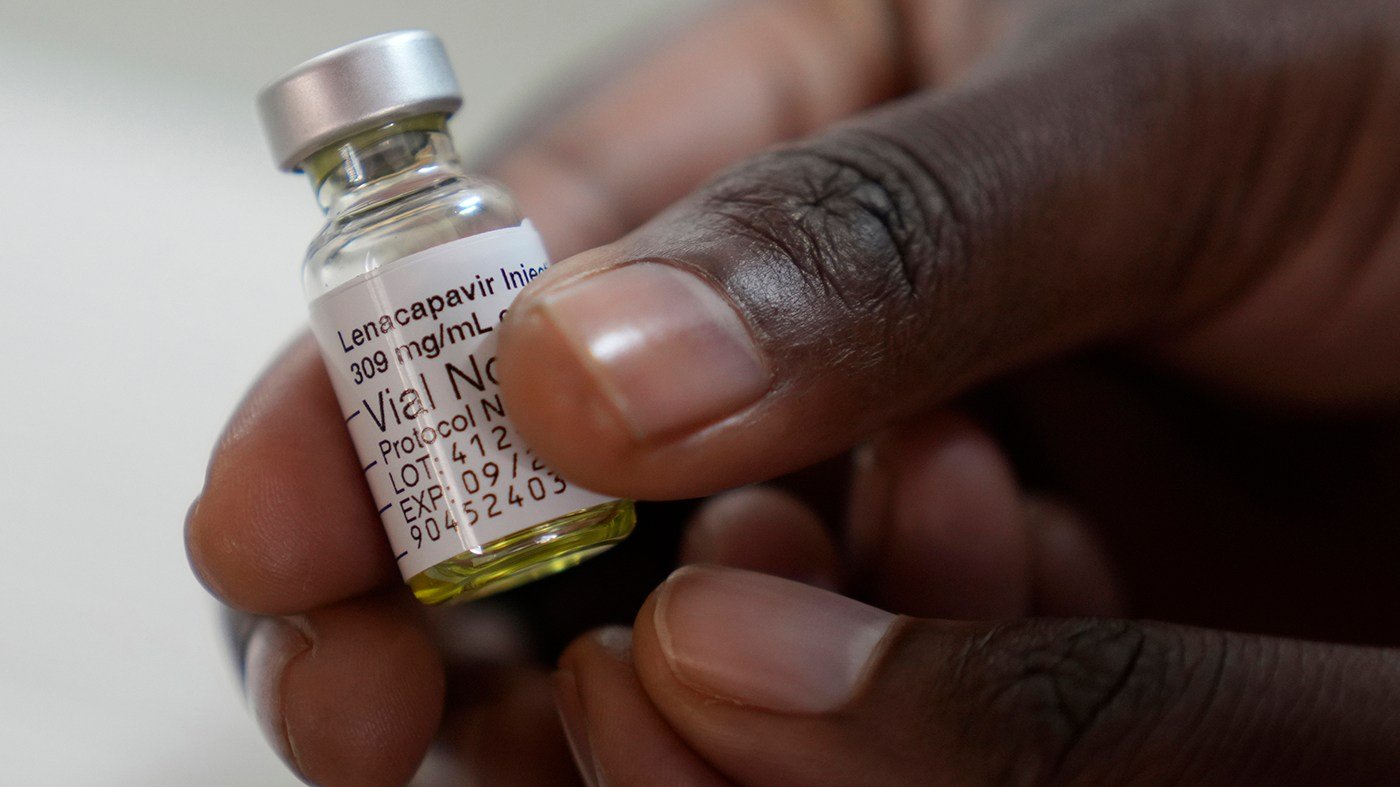
The Trump administration has announced it will terminate $45 million in annual support for Namibia's HIV response program, ending a two-decade-long funding relationship. The final payment will be made in fiscal year 2027, after which the partnership will shift to a technical cooperation model, according to a joint statement released Friday by Namibia's Ministry of International Relations & Trade and the U.S. Embassy in Windhoek.
U.S. Ambassador to Namibia John Giordano framed the move as a positive development, stating, "This transition is a celebration of Namibia's leadership and a model for what is possible." The statement added that Namibia will now integrate its HIV response into a "sustainable national health system" guided by the country's own priorities, policies, and legal frameworks.
The U.S.-funded initiative had supported HIV testing, counseling, community-based organizations, and other critical health system interventions. Over its tenure, the program reportedly exceeded global targets for HIV testing, treatment, and viral suppression, with 97% of infants born to HIV-positive mothers testing negative for the virus.
Namibia's Health Minister, Dr. Esperance Luvindao, emphasized the country's commitment to its own health data sovereignty, saying, "As we evolve this partnership, we remain committed to a cooperation model that respects Namibia's sovereignty and the integrity of our national health data."
The funding cutoff follows Namibia's rejection of U.S. provisions that would have required the sharing of sensitive health data as a condition for continued assistance. According to The Namibian, officials stated that "the Namibian government has made it unequivocally clear that the data-sharing or specimen-sharing agreements in their proposed forms are not in compliance with Namibia's national laws."
The decision aligns with the Trump administration's broader "America First Global Health Strategy," which has called for significant reductions in U.S. funding for global health programs, labeling them "inefficient and wasteful" and claiming they "created a culture of dependency among recipient countries." The administration has also frozen and canceled other global HIV projects, eliminated the U.S. Agency for International Development, and ended support for UNAIDS in 2025.
A report by the Kaiser Family Foundation and UNAIDS found that global HIV funding plunged in 2025, attributing the decline to reduced U.S. support. The shift in Namibia is part of a wider trend of the U.S. scaling back its international health commitments, a move that has drawn criticism from global health advocates who warn of setbacks in the fight against HIV/AIDS.
Despite the funding change, both governments expressed a desire to maintain a cooperative relationship. The technical cooperation model will likely focus on knowledge transfer and capacity-building rather than direct financial assistance, a model that the U.S. says respects Namibia's sovereignty while still supporting its health goals.
The development comes as the Trump administration continues to face scrutiny over its foreign policy decisions, including trade disputes and domestic political battles. Meanwhile, the administration's executive actions on other fronts have kept the White House in the headlines.

