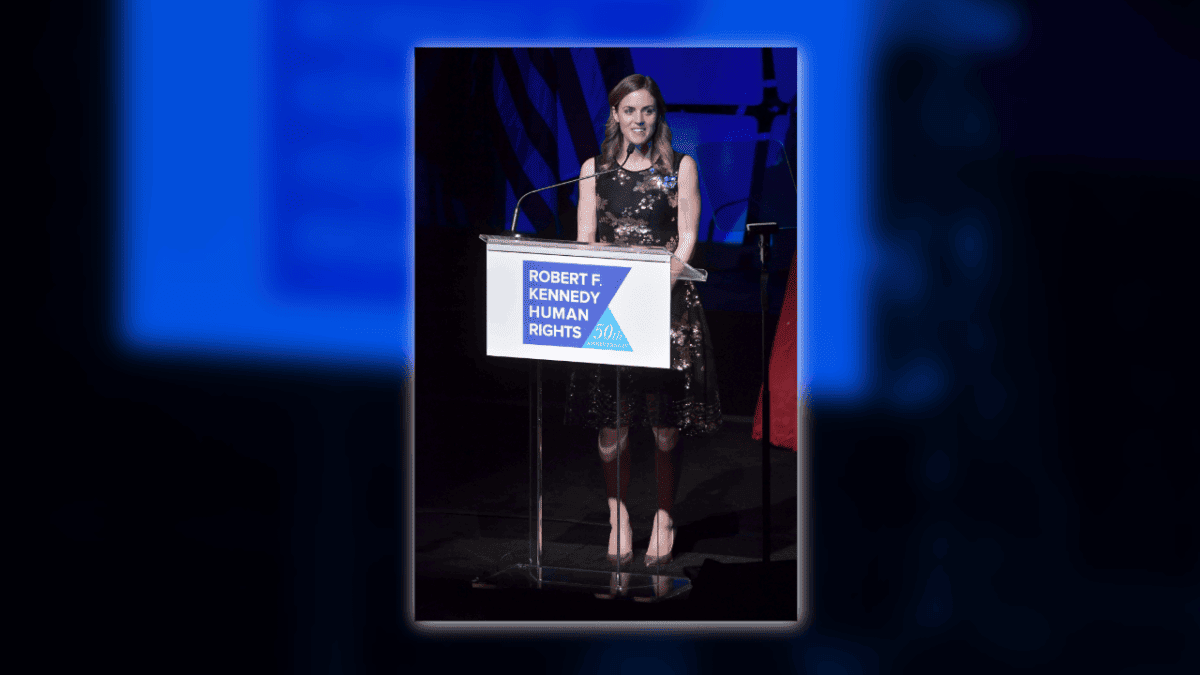
Kyle Kennedy, a granddaughter of the late Robert F. Kennedy and Ethel Kennedy, has died at the age of 42, according to her obituary. She passed away on Sept. 21 at her residence in Massachusetts. The cause of death has not been made public.
Kennedy's death marks another loss for the storied Kennedy family, which has endured a long history of personal tragedies. She was one of the many grandchildren of Robert F. Kennedy, the former U.S. attorney general and senator from New York who was assassinated in 1968 during his own presidential campaign.
Six years before her death, Kennedy sustained a severe spinal cord injury that resulted in long-term paralysis. Rather than retreat from public life, she became a vocal advocate for individuals living with disabilities. Her experience with paralysis informed her activism and gave her a platform to push for systemic changes in healthcare and anti-discrimination policies.
In one notable instance, Kennedy testified before the Massachusetts State House during a hearing focused on discrimination against people with disabilities in healthcare settings. Her testimony highlighted the barriers that many patients face when seeking medical care, particularly those with physical disabilities. She used her personal story to underscore the need for stronger protections and greater awareness among healthcare providers.
Kennedy's advocacy work placed her within a broader national conversation about disability rights, an issue that has gained renewed attention as policymakers debate healthcare access and civil rights protections. Her efforts in Massachusetts reflect a growing push at the state level to address gaps in care and ensure that individuals with disabilities are treated equitably. That debate often intersects with larger fights over healthcare policy, including rising insurance premiums and enrollment challenges that affect millions of Americans.
While her cause of death remains undisclosed, her passing has prompted an outpouring of condolences from those who knew her and followed her work. The Kennedy family has not released a public statement beyond the obituary.
Kennedy's life story is one of resilience and public service, mirroring the family's long tradition of involvement in politics and social causes. Her decision to speak out after her injury demonstrated a commitment to improving the lives of others facing similar challenges.
As a private citizen, she largely avoided the spotlight that often accompanies the Kennedy name. Yet her testimony and advocacy work brought her into the public arena on her own terms. Her efforts contributed to ongoing discussions about how state governments and healthcare systems can better serve people with disabilities, a policy area that continues to evolve.
In a political climate where disability rights and healthcare access remain hotly contested, Kennedy's voice added a personal dimension to debates that are often dominated by statistics and partisan talking points. Her willingness to share her experience helped humanize the stakes of those policy fights.
Details about memorial services have not been announced. Kennedy is survived by her extended family, including numerous relatives who have held public office or been active in Democratic politics.