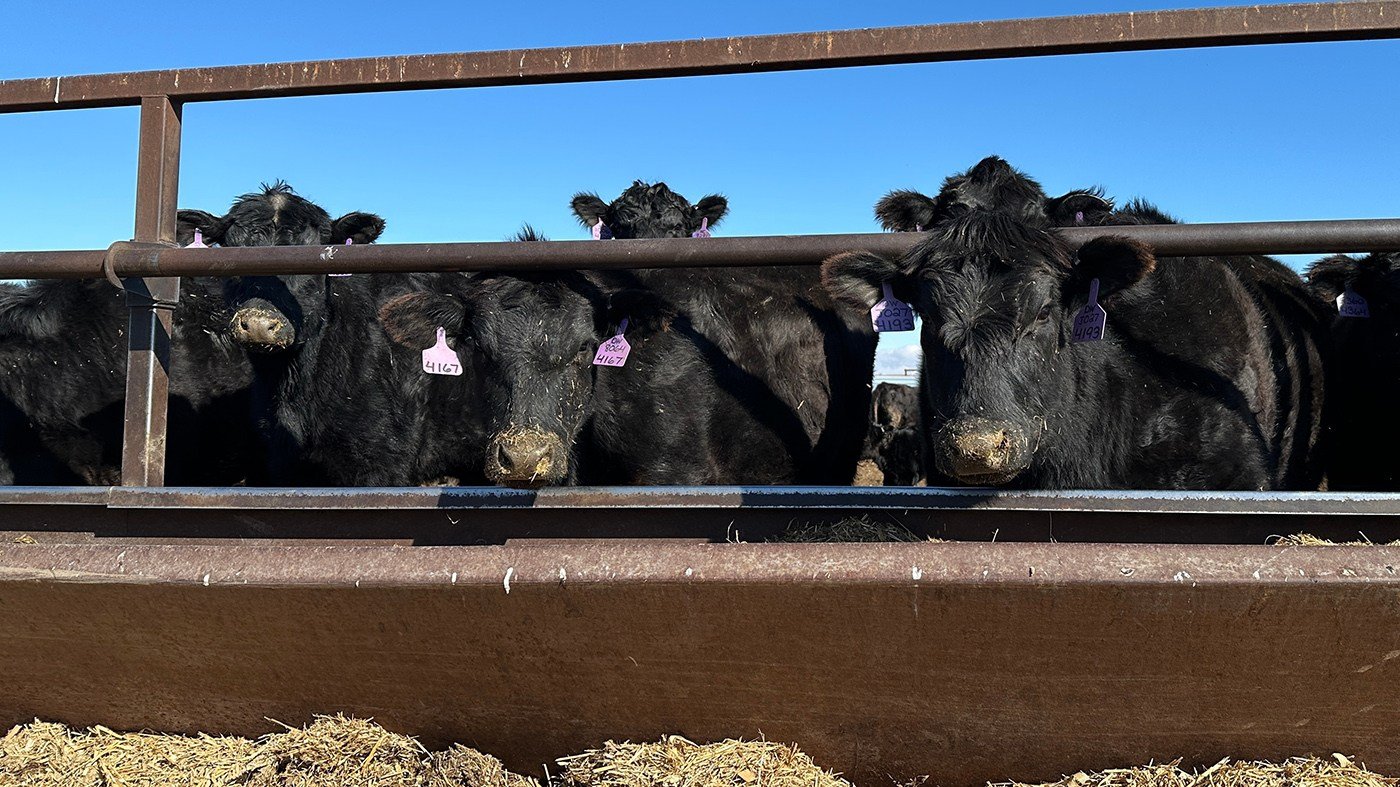
President Trump is moving forward with his plan to import foreign beef in an effort to lower consumer prices, even as cattle farmers and Republican lawmakers from key agricultural states push back. The administration hopes the move will ease inflation pressures, but critics argue it could undercut American ranchers.
On Friday, Trump signed executive orders aimed at softening the blow. One measure allows ranchers and farmers to process and package their own products, while another promotes country-of-origin labeling for all imported beef—a step that would require congressional approval. Justin Tupper, president of the United States Cattlemen's Association, said he appreciated the orders but remained “cautious on what comes next.”
In the Oval Office, Trump downplayed the impact of the import plan, telling reporters, “We're doing it in a very limited fashion because our ranchers can handle it,” and adding, “Our ranchers want the prices to be down too.” The administration announced last month it would import 300,000 metric tons of beef tariff-free for 90 days, with the beef to be sold at 25 percent below current market prices. On Friday, Trump revealed the beef would come primarily from Brazil and Argentina.
Critics say the move will do little to ease Americans' cost-of-living concerns while forcing a key part of Trump's base to bear the burden. “Trump is right to address the issue of beef prices but stepped in it in doing so in a way that parts of his base are going to react to,” said Doug Heye, a longtime GOP strategist. He added that the administration should focus on lowering prices across the board, including addressing the latest cost driver, Iran.
Agricultural economists are skeptical. Glynn Tonsor, an assistant professor at Kansas State University, said the odds of the deal lowering prices and helping ranchers “are about zero.” He explained that if retail beef prices drop, the dollars flowing back to producers also drop. “There's a world where one or the other might happen, but I don't see any world where both could happen out of the same announcement,” Tonsor said. He noted the 300,000 metric tons represent only about a 2 percent increase in beef supply, so the impact on consumer prices would be minimal.
Beef prices have soared, with the average price of 100 percent ground beef at roughly $6.89 per pound, according to Bureau of Labor Statistics data. The high prices stem from record-low cattle numbers—the U.S. started the year with 86.2 million cattle, the lowest inventory since 1951—due to drought and rising costs, while demand remains strong.
Affordability is a top issue for voters ahead of the midterms. Trump captured 62 percent of the rural vote in 2024, but his approval among that group has slipped from July to August, per ActiVote polls. The cattle industry and GOP lawmakers argue that lowering prices shouldn't come at the expense of American ranchers. “While America's cattle producers share the goal of keeping groceries affordable, flooding the market with government-subsidized, below-market beef is not the way to rebuild the American cattle herd,” said Colin Woodall, CEO of the National Cattlemen's Beef Association. He warned the import plan throws “cold water” on the investment needed to expand herds.
David Anderson, a livestock marketing specialist at Texas A&M University, said markets should be left to work themselves out. “You have to have cattle producers that are profitable to get that market signal to expand, to increase beef production which then brings down prices,” he said. “And so, we finally have prices that are profitable and something like this gets announced.” He added that the timing is bad, as ranchers are making herd decisions.
Several Republican lawmakers, including Sens. Chuck Grassley (Iowa) and Jerry Moran (Kan.) and Rep. Adrian Smith (Neb.), joined 50 others in a letter urging Trump to prioritize policies that help ranchers. “Cattle markets are cyclical, and ranchers use the upswings to prepare for the inevitable downturn,” they wrote. “Any intervention in the natural system, especially at a time when producers are making marketing decisions, threatens to pick winners and losers and undermine the long-term viability of family-owned cattle operations.”
The Wall Street Journal reported that Trump met with Joesley Batista, a controller of JBS, the world's largest meatpacker, a day before the announcement. The meeting has raised questions about the influence of the meat industry on the decision. As the administration moves forward, the political fallout is likely to intensify, with tariff relief for Brazil and Argentina drawing sharp criticism from the president's own base. Relatedly, Trump has faced rancher backlash over the tariff pause, and the issue could become a liability in the midterm campaign.