The Tetris Company has signaled to the White House that its newly launched online arcade, which includes a game called "Build the Wall," may be infringing on its copyright. The game, part of a suite of five titles unveiled Thursday, closely mirrors the mechanics of the iconic puzzle game, but with a border-security twist.
In a statement posted to social media on Friday, the company said, "The Tetris Company was not involved in the creation of 'Build the Wall,'" adding, "We take copyright infringement very seriously." A spokesperson for the company told Variety that the White House "did not authorize or license the Tetris brand or intellectual property for the game." When asked about potential legal action, the spokesperson said the company is "reviewing the matter."
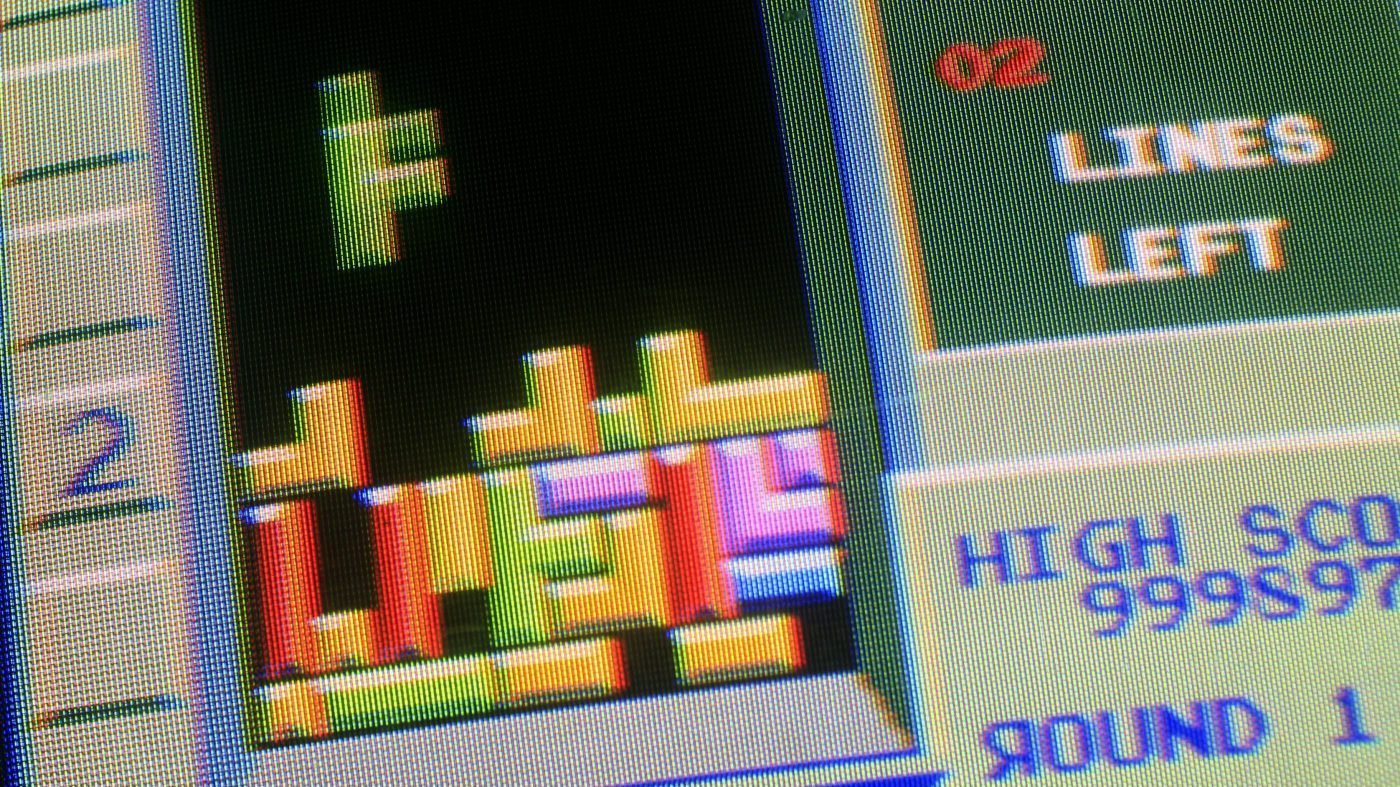
The game in question, subtitled "Zombie Border Siege," instructs players to "protect the border from the coming horde." Much like in Tetris, players must stack falling blocks to prevent them from reaching the top of the screen, but here the blocks are meant to keep out zombie-like creatures. If the blocks pile up, the game ends with a message reading "BORDER BREACHED."
The Tetris Company also used its statement to draw a stark contrast with the administration's messaging. "At Tetris, we believe in the power of connection and bringing people together, not dividing them," the company said. That sentiment comes as the White House arcade has drawn criticism for its portrayal of immigration policy.
"Build the Wall" is one of two games focused on immigration. The other, "Rio Run," resembles the classic "snake" game and has players conduct "border patrol along the Rio Grande." The arcade also includes "Trump Savings Tycoon," where players collect money for Trump Accounts; "Supply Line," tied to the administration's "Make America Healthy Again" initiative; and "Flappy Bill," a take on Flappy Bird featuring a bald eagle carrying legislation over the National Mall.
The dispute comes amid broader debates over the administration's use of executive power and its plans for the White House grounds, which have also drawn legal challenges. The arcade's games, particularly those touching on immigration, are likely to intensify scrutiny of the administration's messaging as it continues to push controversial policies.
Legal experts note that while game mechanics are not always copyrightable, the use of the Tetris name and distinctive visual elements could strengthen the company's case. The Tetris Company has a history of aggressively protecting its intellectual property, having sued other games for similar infringements in the past.
The White House has not yet responded to the infringement claims. The arcade remains live on the White House website, suggesting the administration may be willing to risk a legal battle over the games, which are clearly designed to rally supporters and promote the president's agenda.
As the story develops, it remains to be seen whether the Tetris Company will file a formal lawsuit. But the company's public warning sends a clear message that it will not allow its brand to be used without permission, especially in a context it finds politically objectionable.