Missouri’s top legal officer filed an emergency appeal with the Supreme Court on Friday, urging the justices to reinstate a congressional map that would give Republicans an additional seat in the state’s delegation. The move comes after the state’s highest court blocked the plan, citing constitutional concerns over voter-initiated referendums.
In the filing, Missouri Attorney General Catherine Hanaway’s office warned that “a federal-election-administration disaster is unfolding in Missouri,” arguing that the lower court’s decision threatens to disrupt the upcoming election cycle. The new map, drawn by the GOP-controlled legislature, would create a 7-1 Republican majority, diluting the influence of Democratic Rep. Emanuel Cleaver’s Kansas City-based district.
This redistricting fight is part of a broader Republican push in mid-decade remapping efforts, with similar gains pursued in states like Texas and Florida. Missouri’s Supreme Court unanimously struck down the map on Thursday, ruling that the state constitution allows voters to collect signatures for a referendum on the plan. Secretary of State Denny Hoskins (R) had previously rejected such an effort, a decision the court overruled. For more on the legal battle, see Missouri’s high court halts the GOP map.
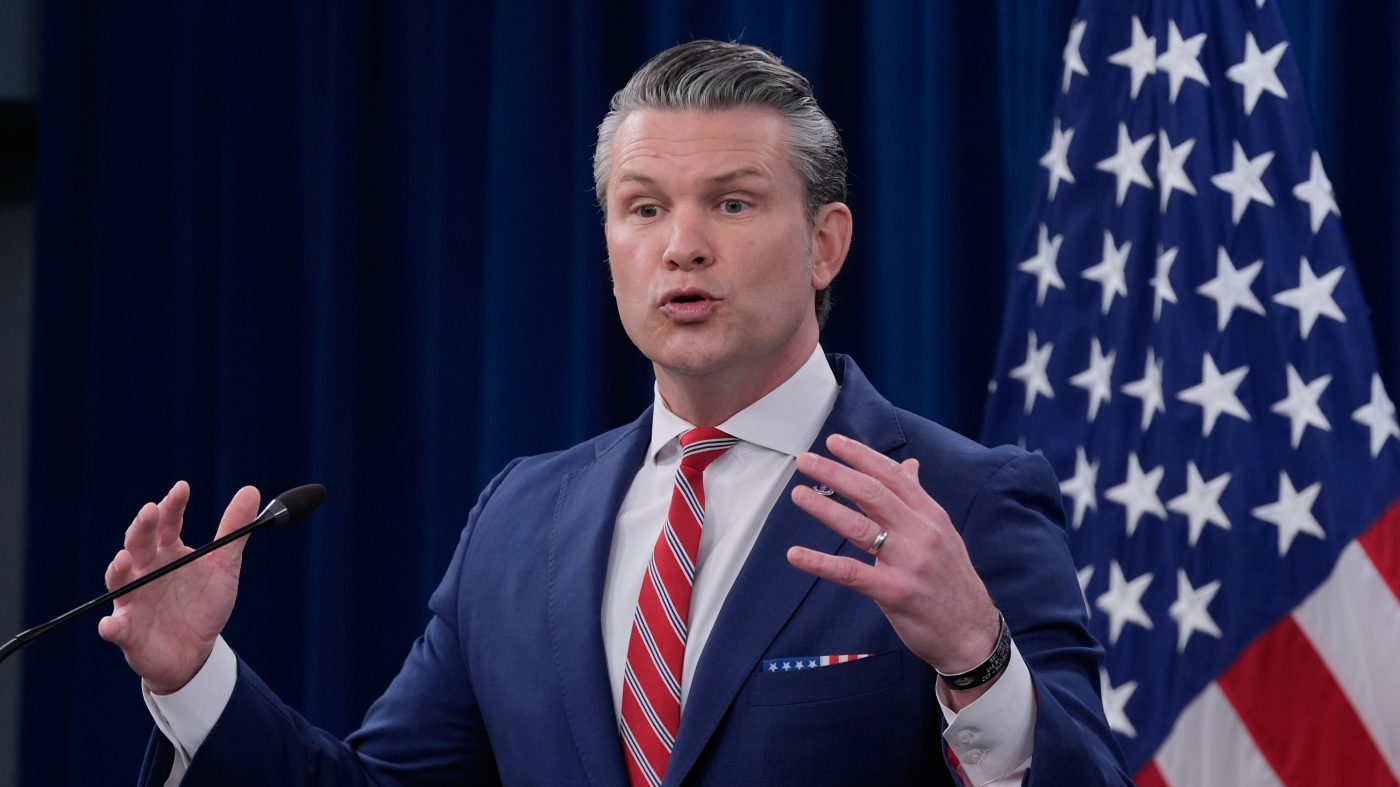
Meanwhile, at the Pentagon, Defense Secretary Pete Hegseth is moving to fill the vacancy left by Army Secretary Dan Driscoll, who resigned this week. According to a report from The Hill’s Filip Timotija, several names have surfaced as potential successors, including Pentagon spokesman Sean Parnell, an Army assistant secretary, and a Republican congressman. The selection is critical as the Army faces ongoing modernization challenges and global security commitments. For a look at the emerging contenders, check out the four-way race for the Army post.
Hegseth’s choice comes amid broader scrutiny of his leadership style. Critics, including former Pentagon officials, have accused him of weakening military readiness through command shakeups. A recent analysis by former Defense Secretary Leon Panetta argued that Hegseth’s actions are undermining the armed forces. Those concerns are detailed in Panetta’s critique of Hegseth’s command changes.
The Missouri case and the Pentagon personnel matter are unfolding against a backdrop of intense political maneuvering in Washington. Republicans are seeking to consolidate power through redistricting, while the administration faces internal and external pressures on defense policy. The Supreme Court’s decision on Missouri’s map could have national implications, potentially affecting the balance of power in the House.
Legal experts note that the emergency application is an unusual step, but not unprecedented in redistricting disputes. The justices may choose to act quickly, given the proximity of filing deadlines for congressional primaries. If the Court declines to intervene, Missouri will likely need to redraw its districts or proceed with a temporary plan, adding further uncertainty for voters and candidates alike.
For now, both issues remain fluid. Hegseth is expected to announce his pick for Army secretary in the coming days, while Missouri officials await a ruling from the high court. The outcomes will shape both the defense establishment and the political landscape ahead of the 2026 midterms.