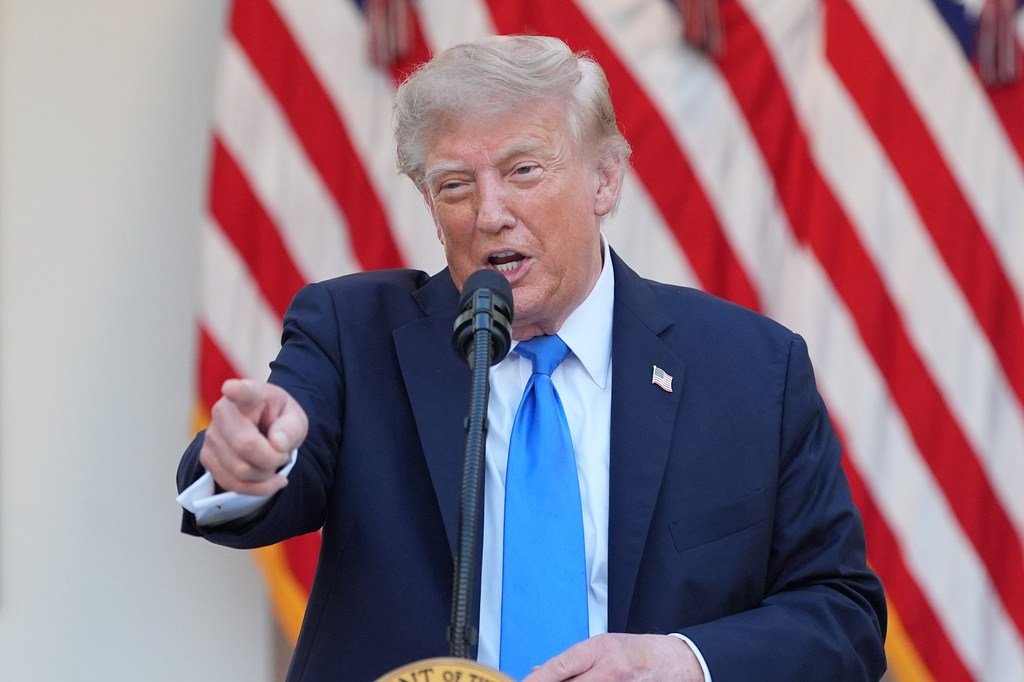
Every seat in the House and a third of the Senate—including special elections in Florida and Ohio—will be contested in the 2026 midterms. President Trump's name won't appear on any ballot, yet Democrats are poised to run against him in every district.
Midterms traditionally serve as a referendum on the sitting president, and history suggests the party in power loses ground. Trump's approval ratings remain underwater on key issues—foreign policy, healthcare, immigration, and the economy—and his promise of a quick end to the war in Ukraine has not materialized. The political climate does not favor Republicans.
Democrats, however, face their own internal fissures. The party's left wing has gained momentum, with self-described socialists winning primaries even in blue strongholds. Republicans aim to spotlight these positions, framing Democrats as radicals who view America as fundamentally flawed and in need of a complete overhaul.
The election may ultimately hinge on which party voters find less objectionable: one that embraces democratic socialists and their transformative message, or one led by Trump, with all the associated turbulence.
This brings into focus a pivotal question: Should Trump hit the campaign trail to boost Republican candidates, or remain in Washington to avoid stirring the opposition? His rallies can galvanize the base, but they also serve as a powerful motivator for Democrats and independents, who often decide close races. When Trump takes the stage, he frequently veers off message, making headlines for controversial remarks that overshadow the candidates he's there to support.
The paradox is clear: Trump may be the GOP's best asset for turning out their voters, but he's equally effective at mobilizing the other side. Swing voters, in particular, tend to swing away when Trump is in the spotlight.
My recommendation: With rare exceptions, Trump should stay in Washington and focus on issues voters care about—like grocery and gas prices—rather than grand projects such as the proposed D.C. arch. If he campaigns in a tight race, there's a good chance swing voters will react adversely.
Sometimes the most effective campaign move a president can make is to stay out of the way.