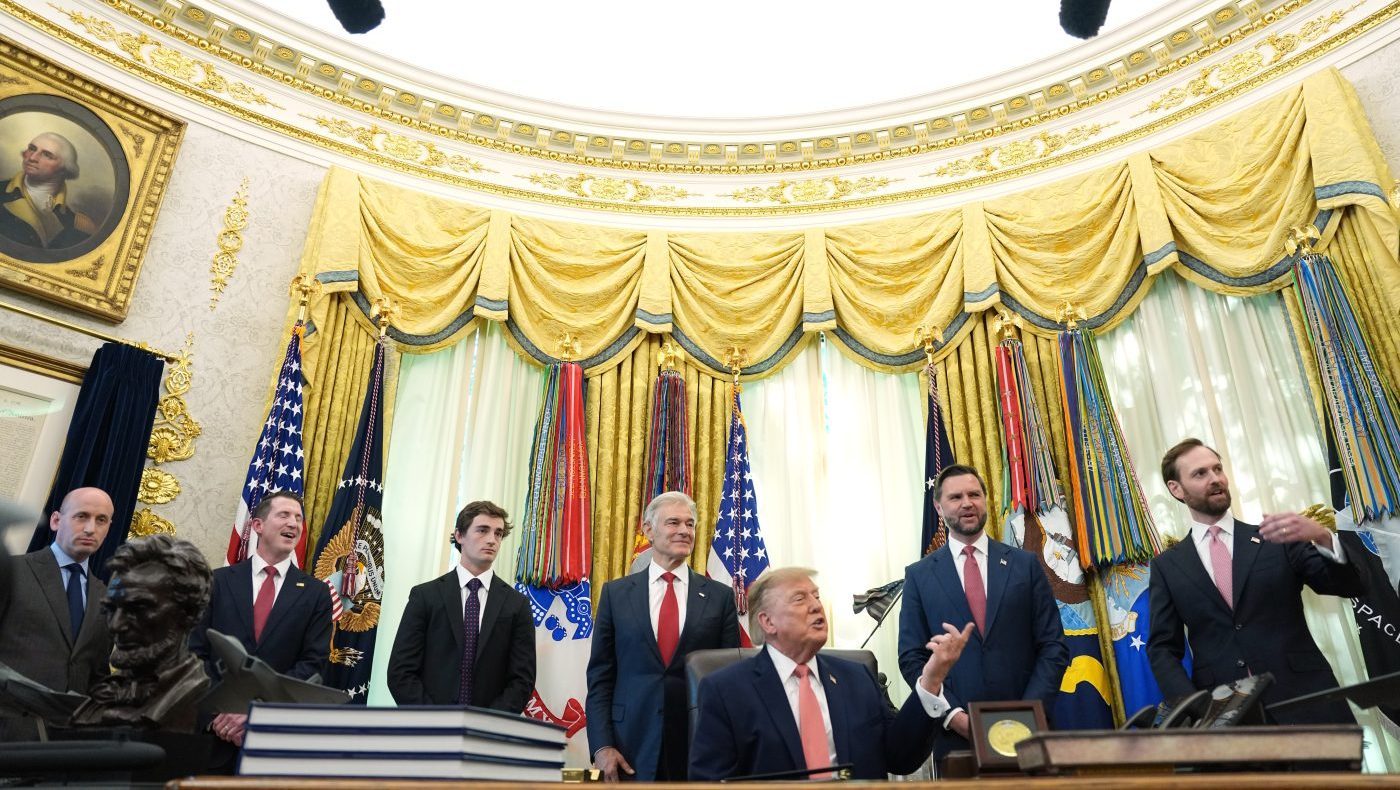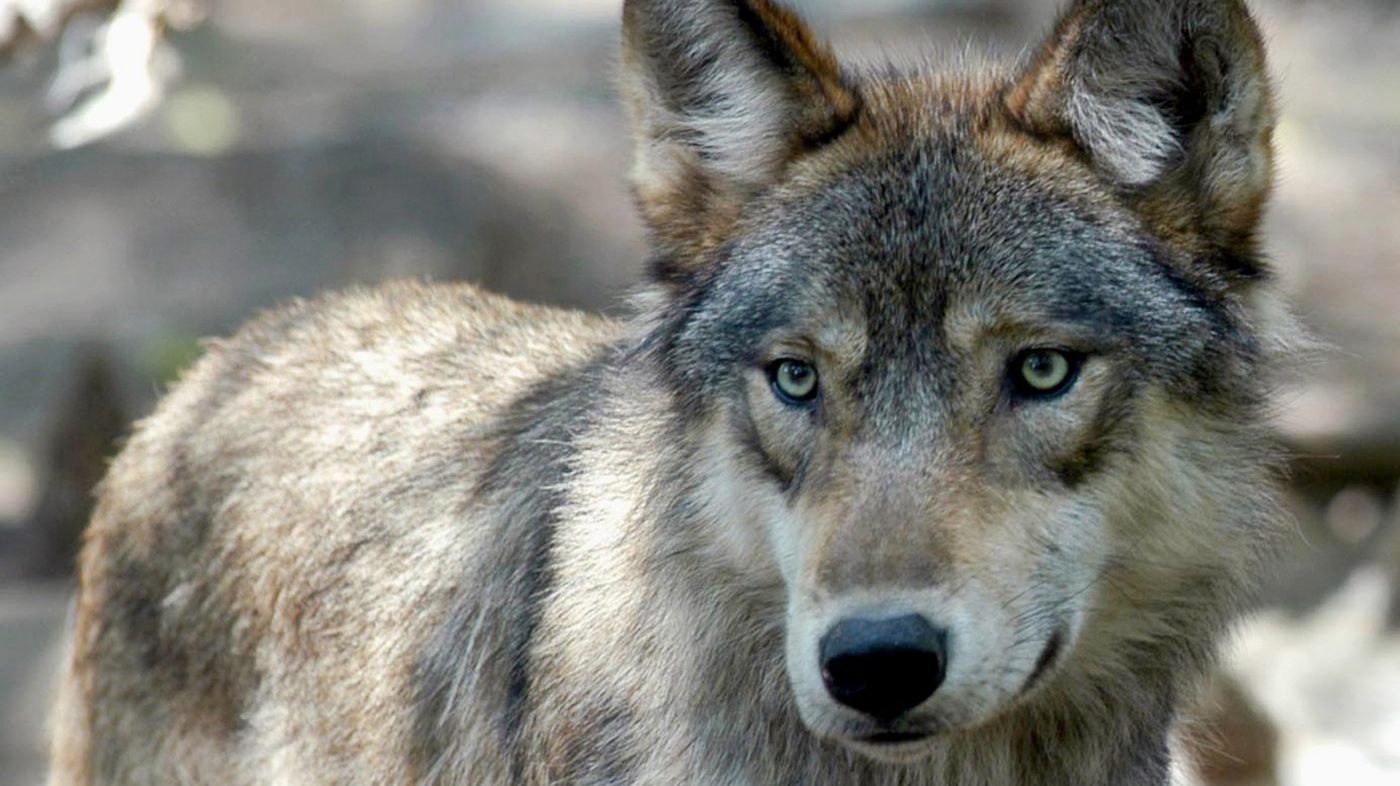
President Trump on Friday signed an executive order directing the Interior Department to re-examine whether gray wolves should remain on the endangered species list, a move his administration says will help ranchers protect their herds and ultimately reduce domestic beef costs. The order also instructs the Interior and Agriculture departments to permit ranchers to kill wolves when necessary to safeguard livestock.
Speaking at the Oval Office signing ceremony, Trump framed the action as a response to the mounting toll wolves take on ranching operations. "They're destroying these businesses," he said, flanked by Agriculture Secretary Brooke Rollins and several ranchers. "You watch them go right through your herd, and they're violent. It's a violent situation." Rollins echoed that sentiment, noting that current protections leave ranchers powerless. "The problem is, because they're on the endangered species list, they can't shoot them," she said. "They have to sit and watch them destroy their herd."
The gray wolf has been federally protected since 1967, when the U.S. Fish and Wildlife Service first listed it as endangered following decades of hunting and habitat loss. Over time, populations rebounded, and in 2020, during Trump's first term, the agency issued a final rule removing the species from the endangered list across the lower 48 states. That decision was later overturned by a federal judge after wildlife advocates sued to restore protections.
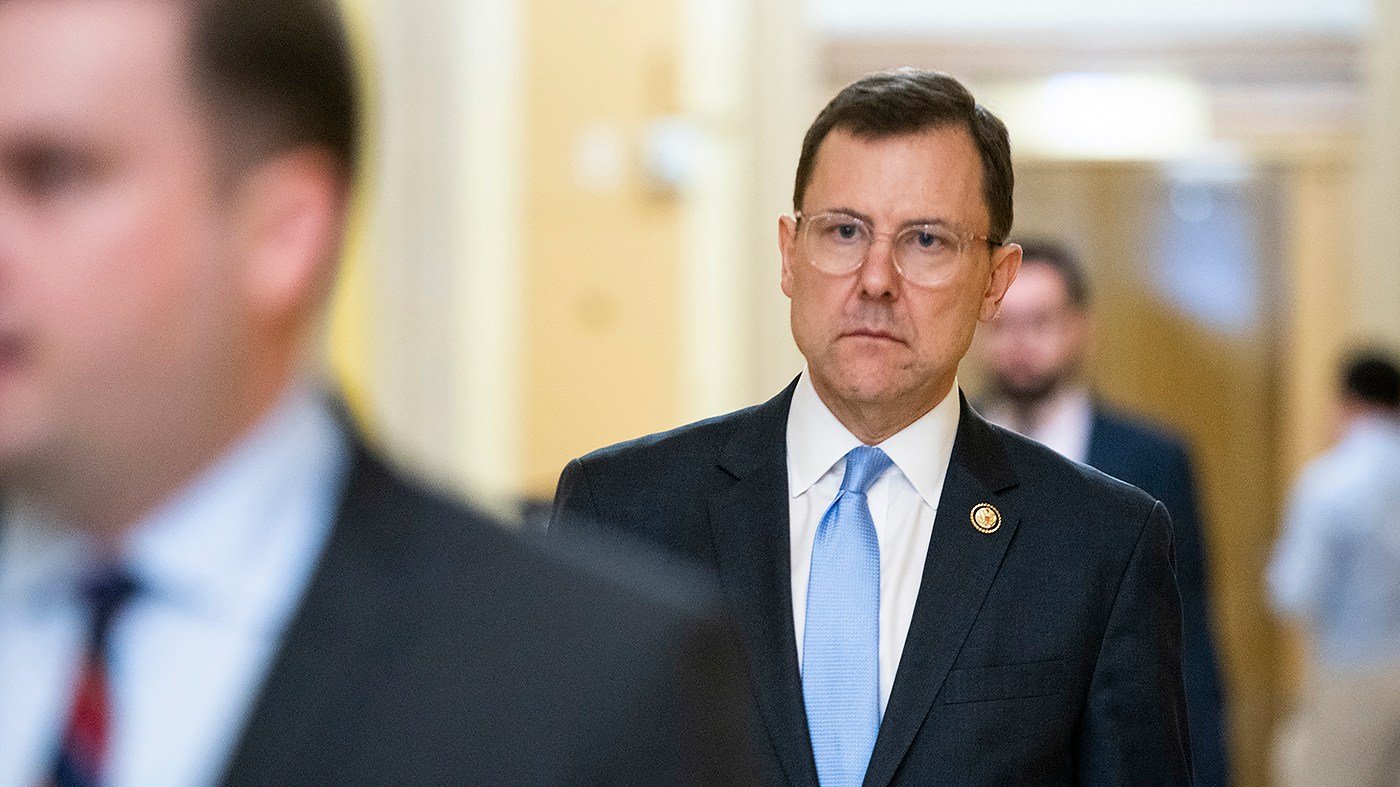
House Republicans passed legislation in December to codify the 2020 delisting and strip the gray wolf's endangered status once again. The bill remains pending in the Senate. Rep. Tom Tiffany (R-WI), who led the House effort, welcomed Trump's executive order in a social media post on Friday. "The gray wolf has recovered," he wrote. "Farmers are dealing with livestock depredations, families are losing pets, and wolves are showing up closer to homes. Wisconsin knows how to successfully manage its wildlife. It's time to let states responsibly manage their wolf populations."
Conservation and animal welfare groups reacted sharply. Sara Amundson, president of the Humane World Action Fund, which has long opposed delisting, said the move would bring "untold death and cruelty for these animals." She also linked the decision to broader administration trade policy, arguing that "gray wolves should not have to take the fall for an administration whose reckless tariff policies have made life unnecessarily hard for American ranchers."
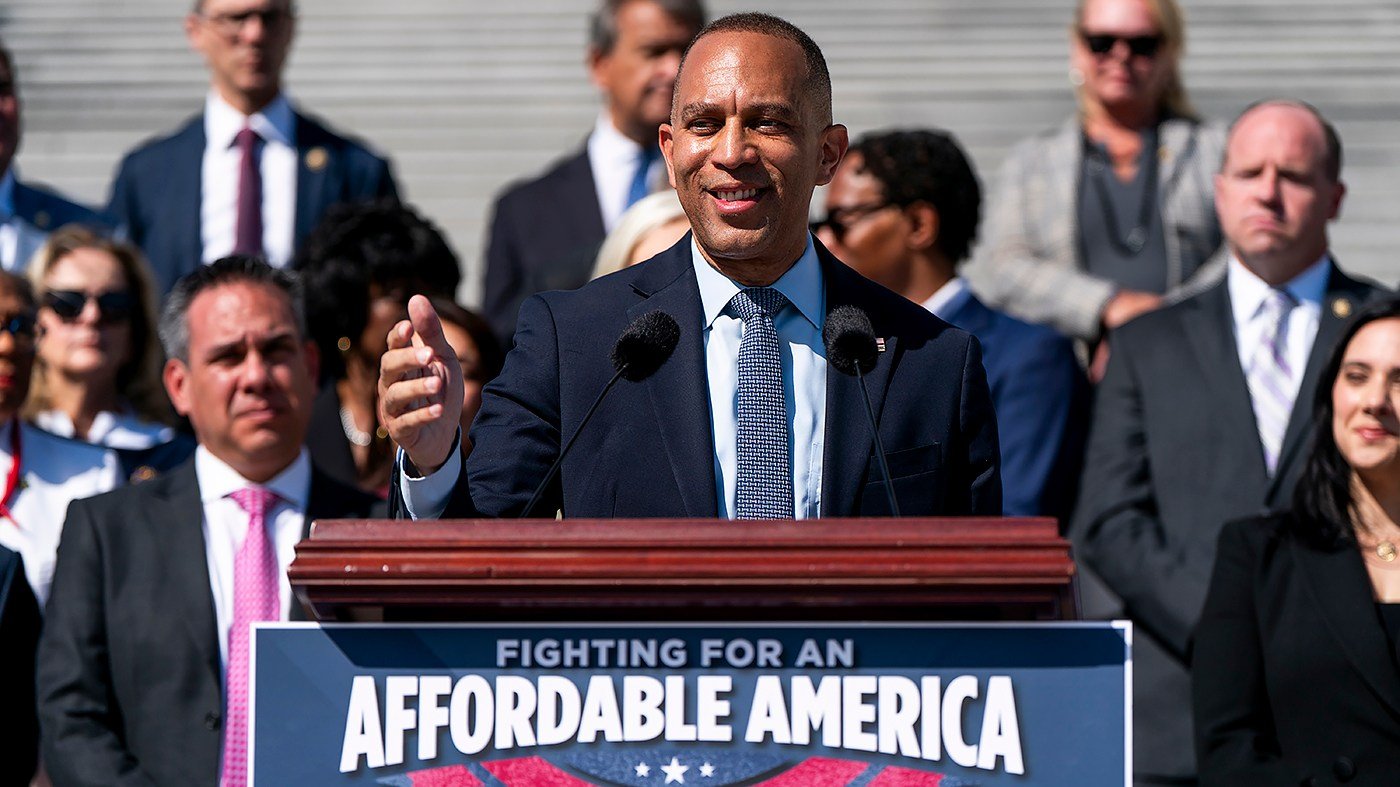
The executive order follows the administration's recent decision to lift tariffs on imported beef from countries like Argentina and Brazil, a step intended to lower grocery prices but one that has drawn criticism from domestic ranchers and some Republican lawmakers. Trump defended the tariff relief, saying it was "very limited" and that "our ranchers really needed a little bit of help, and our ranchers want the prices to be down too." The move is part of a broader push to ease consumer food costs, which remain a political vulnerability heading into the midterm elections.
Critics argue that allowing ranchers to kill wolves could undermine decades of recovery efforts and disrupt ecosystems. Meanwhile, supporters contend that states are better positioned to manage wolf populations and that current protections are no longer justified. The interior review could take months, and any final rule would likely face legal challenges from environmental groups.
The executive order is the latest in a series of actions aimed at addressing rural economic concerns, but it also highlights the administration's willingness to intervene in environmental policy. As the debate unfolds, the fate of gray wolves—and the livelihoods of ranchers—hangs in the balance.