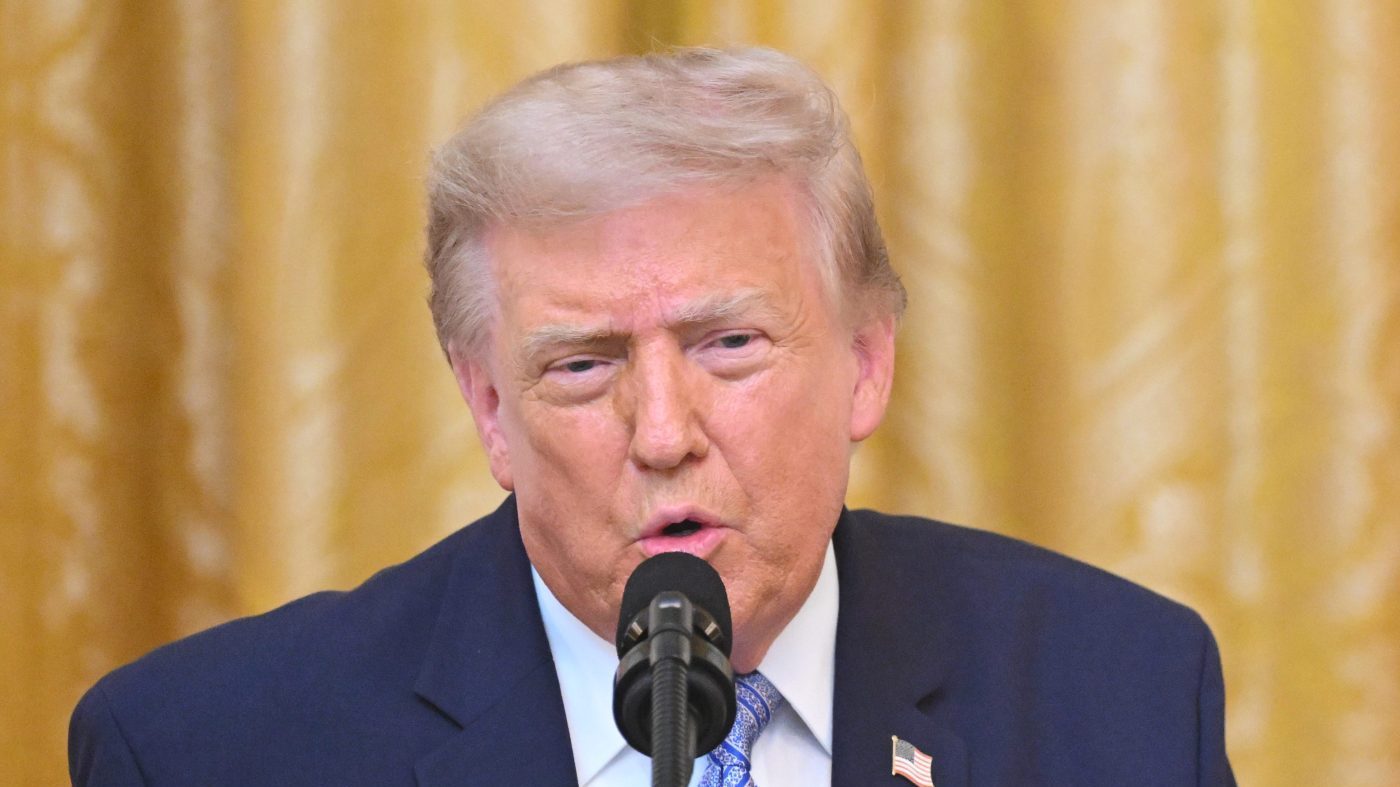
President Trump will sign an executive order on Friday tied to the beef industry, the White House confirmed, as his administration seeks to balance consumer prices against the concerns of domestic cattle producers.
The order follows Trump's announcement last month that the U.S. would suspend higher tariffs on ground beef imports for a 90-day window, permitting up to 300,000 metric tons to enter the country without the steeper out-of-quota rate. The temporary relief was pitched as a way to ease costs for American families while giving officials time to bolster the domestic cattle herd and assist ranchers.
Yet the plan has drawn sharp criticism from within the president's own party and from cattlemen's groups, who argue that flooding the market with imported beef undercuts domestic producers already struggling with tight margins and drought-related herd reductions.
The signing ceremony is scheduled for 1:30 p.m. EDT at the White House. The event will be streamed live for the public.
Political and economic stakes
The executive order arrives as the administration juggles competing priorities: containing food inflation ahead of the midterms while trying to shore up support among rural voters, a key constituency. The tariff pause was initially framed as a stopgap measure, but the forthcoming order suggests the White House is looking to institutionalize a more structured approach to beef import policy.
Critics, including several Republican lawmakers and livestock associations, have accused the administration of capitulating to foreign suppliers at the expense of American ranchers. They contend that the 90-day window, and any follow-up measures, could depress cattle prices and slow the rebuilding of the U.S. herd, which has been at multi-decade lows.
Supporters, however, point to the potential relief for consumers at the grocery store. Ground beef prices have remained elevated, and the administration has argued that temporarily easing tariffs could help cool costs without abandoning long-term efforts to strengthen domestic production.
Context and next steps
The beef dispute is part of a broader trade agenda that has seen the president wield tariffs as a negotiating tool. The move also echoes previous actions on agricultural imports, where the administration has sought to balance market access with protections for domestic industries.
Observers note that the executive order could face legal challenges, much like other tariff-related actions. Earlier this year, courts examined the limits of presidential authority under Section 232 and other trade laws, and similar scrutiny may apply here. The administration's approach to tariff policy has already faced legal tests, with judges weighing in on the boundaries of executive power.
The White House is likely to use the signing to highlight its commitment to lowering consumer costs, a message that resonates with voters as inflation remains a top concern. At the same time, the president's team is mindful of the political fallout from alienating agricultural interests, particularly in key battleground states.
Ranchers have been vocal in their opposition, and some have begun organizing against the measure. The administration has countered that the pause is temporary and that the executive order will include provisions to support domestic herd expansion, though details remain scarce.
As the midterm elections approach, the beef tariff issue has become a flashpoint in the broader debate over trade and economic policy. The president's handling of this file could influence his standing among rural voters, a group that has been pivotal to his coalition. The signing on Friday will be closely watched for signals on how the administration intends to navigate these pressures in the coming months.