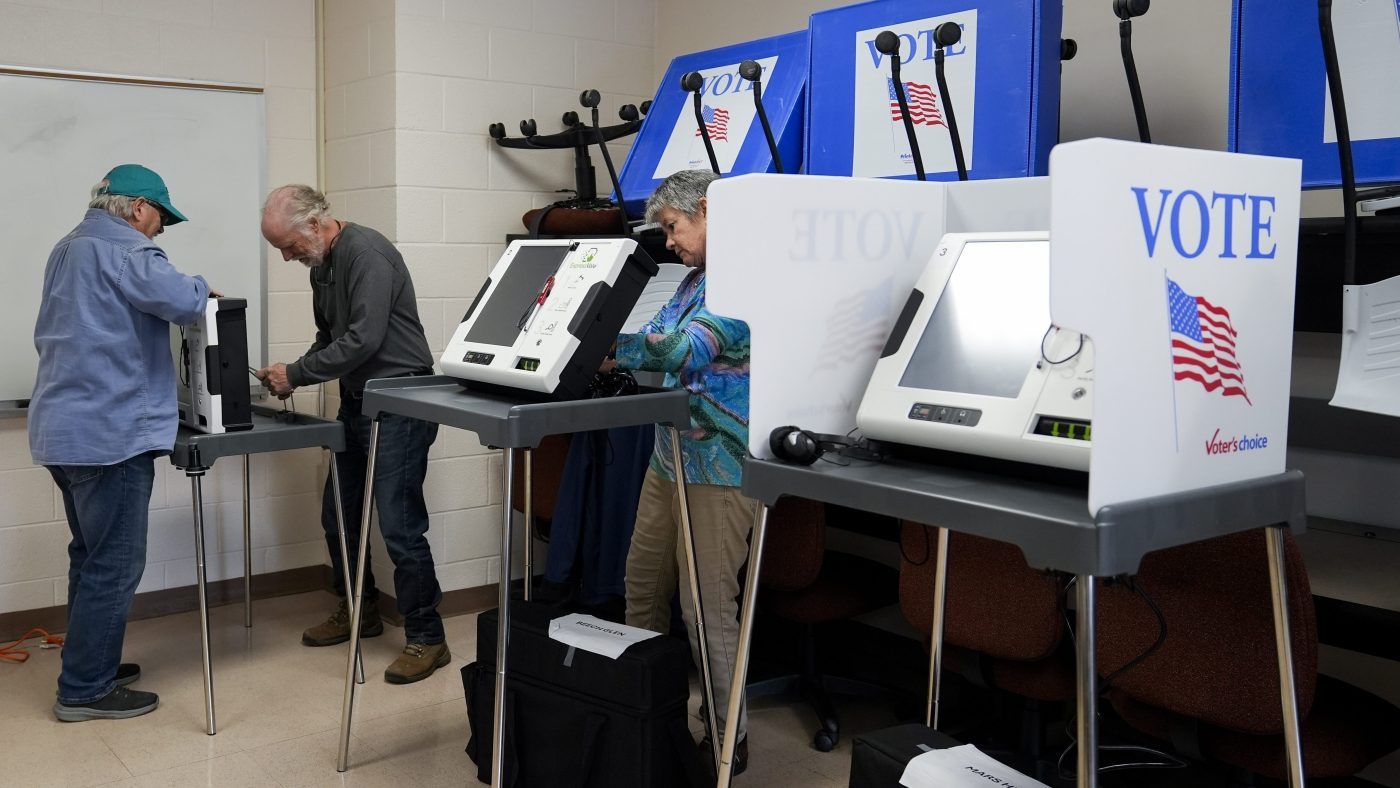
The North Carolina State Board of Elections voted Friday to adopt a new set of mail-in ballot processing standards, a decision that came just hours before the first wave of absentee ballots was sent to voters. The new guidelines tighten the criteria election officials will use to determine whether a mail-in ballot is valid, including a requirement to reject any ballot whose signature on the return envelope does not match the name on the voter's application.
Additional changes restrict who can deliver a mail-in ballot in person on a voter's behalf, limiting it to a near relative or legal guardian, and mandate that ballots be disqualified if more than one is found in a single return envelope. The board's two Democratic members voted against the measure, with Commissioner Siobhan Millen arguing that the changes could quietly disenfranchise voters. "To my mind, we're doing an end run around the process that we said we wanted to do," Millen said during the meeting. "It may not affect you as you're filling it out, but it affects whether your ballot counts — that's huge. So, an effort to say this is just a process thing, I think is incorrect."
Republican Commissioner Stacy Eggers defended the new standards, framing them as routine operational guidance. "This is simply guidance, updated guidance, I might add, as to what the board and staff at the county level will do and how they will process things," Eggers said.
The board adopted the rules as numbered memos after a previous attempt to codify similar procedures stalled. That earlier effort had won unanimous approval from the state's Rules Review Commission, but a provision in state law delayed implementation because more than ten formal objections were filed. The legislature will have to take up those earlier rules in its next session.
The timing of Friday's vote adds another layer of uncertainty to an already contentious election cycle. The first batch of ballots was promised to more than 46,000 voters, even as a separate legal battle over the validity of mail-in voting rules continues at the federal level. The U.S. Justice Department asked the Supreme Court on Thursday to allow the Postal Service to implement President Trump's executive order targeting mail voting in time for the midterms. That order would require states to meet specific design standards for mail-in ballots—such as unique barcodes and an official logo—and to provide USPS with lists of voters eligible to vote by mail, or risk having ballots refused for delivery.
In a filing last week, North Carolina Assistant Deputy Attorney General Marc Brunton pushed back against the USPS rule, citing "the very short time available and the untested technology that the Rule relies on." Brunton also stressed the importance of mail-in voting for residents of western North Carolina, which is still recovering from the devastation of Hurricane Helene in 2024. Damage across the state from that storm has been estimated at $60 billion.
The new state guidelines arrive amid a broader escalating clash over mail-in voting procedures that has drawn in federal agencies and state officials alike. The board's decision also underscores the partisan divisions that have come to define election administration, with Republicans favoring stricter rules and Democrats warning of voter suppression.
For voters, the immediate impact is clear: those who plan to vote by mail must ensure their signature matches their application exactly, and they must use an authorized relative or guardian to return their ballot in person. Any deviation could result in their ballot being rejected. Election officials have said they will provide guidance to county boards to ensure consistent application of the new rules.
As the legal and regulatory battles continue, North Carolina voters face a voting landscape that is both more scrutinized and more complicated than in previous cycles. The state's experience may serve as a test case for how other jurisdictions navigate the competing pressures of election integrity and voter access.