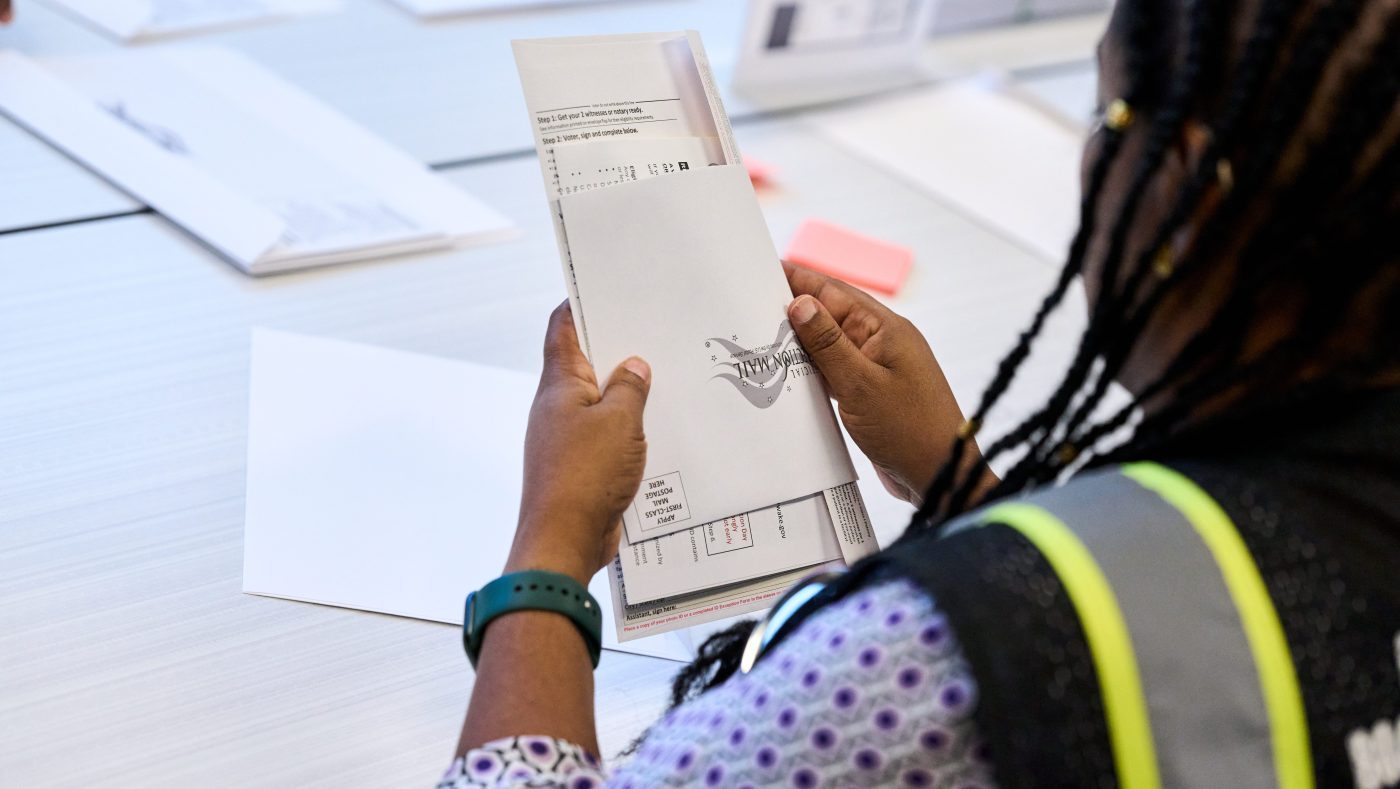
North Carolina is poised to begin sending out general election absentee ballots on Friday, even as the Trump administration continues its legal effort to impose new restrictions on mail-in voting. The move sets up a high-stakes clash over election procedures just weeks before the November midterms.
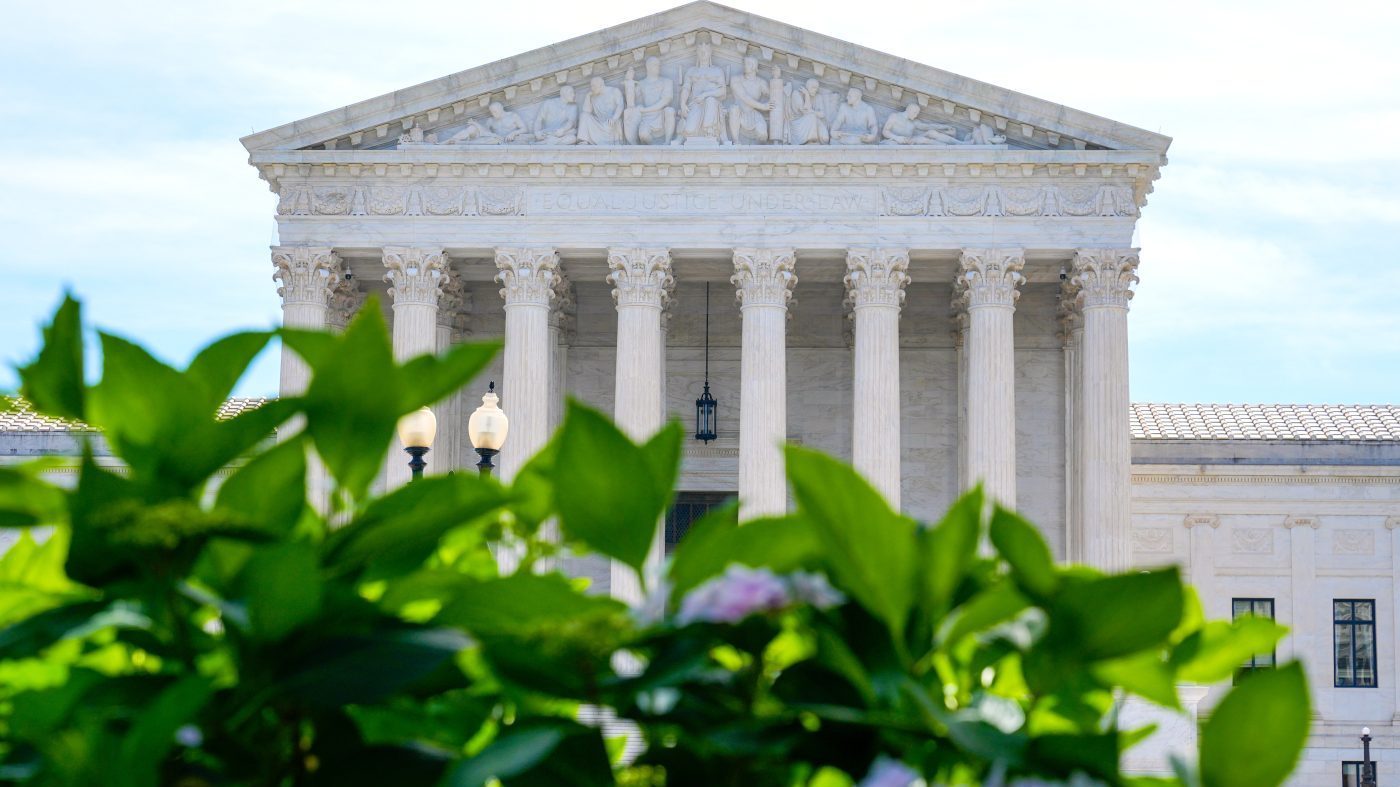
The administration is appealing a federal judge's ruling that temporarily blocks its executive order imposing stricter identification and deadline requirements for mail-in ballots. The Justice Department on Thursday asked the Supreme Court to intervene and allow the restrictions to take effect, arguing that the order is necessary to prevent voter fraud—a claim that election officials and voting rights advocates dispute.

Meanwhile, the North Carolina State Board of Elections is scheduled to meet at 9 a.m. EDT to provide guidance to county boards on the mailing process. The state's decision to proceed underscores the tension between federal directives and state-run election operations.
The legal fight comes as the U.S. economy added 162,000 jobs in August, a stronger-than-expected figure that offers some relief to Democrats worried about inflation and the administration's handling of the economy. The report, released Friday morning, could factor into the political calculus ahead of the midterms, as voters weigh economic concerns against other issues.
In a separate but related development, a federal court in Washington, D.C., will hear arguments from Stars and Stripes staffers who received termination notices from the Pentagon. The military newspaper's journalists are challenging the move, which critics say undermines press freedom and independent oversight of the armed forces.
President Trump has a policy meeting scheduled for Friday and is expected to sign an executive order before departing for New Jersey for the holiday weekend. The order could be related to his ongoing efforts to tighten voting rules, though details were not immediately available.
The administration's push to restrict mail-in voting has drawn sharp criticism from Democrats and voting rights groups, who see it as an attempt to suppress turnout. Earlier this week, a federal judge reopened the door for some of the restrictions, but the current block remains in place through at least next week. The Supreme Court's decision on the administration's appeal will be pivotal.
As the legal battles unfold, state officials are racing to ensure ballots are ready for voters, many of whom are expected to rely on mail-in options due to the pandemic. The outcome of these disputes could shape the integrity and accessibility of the upcoming election.