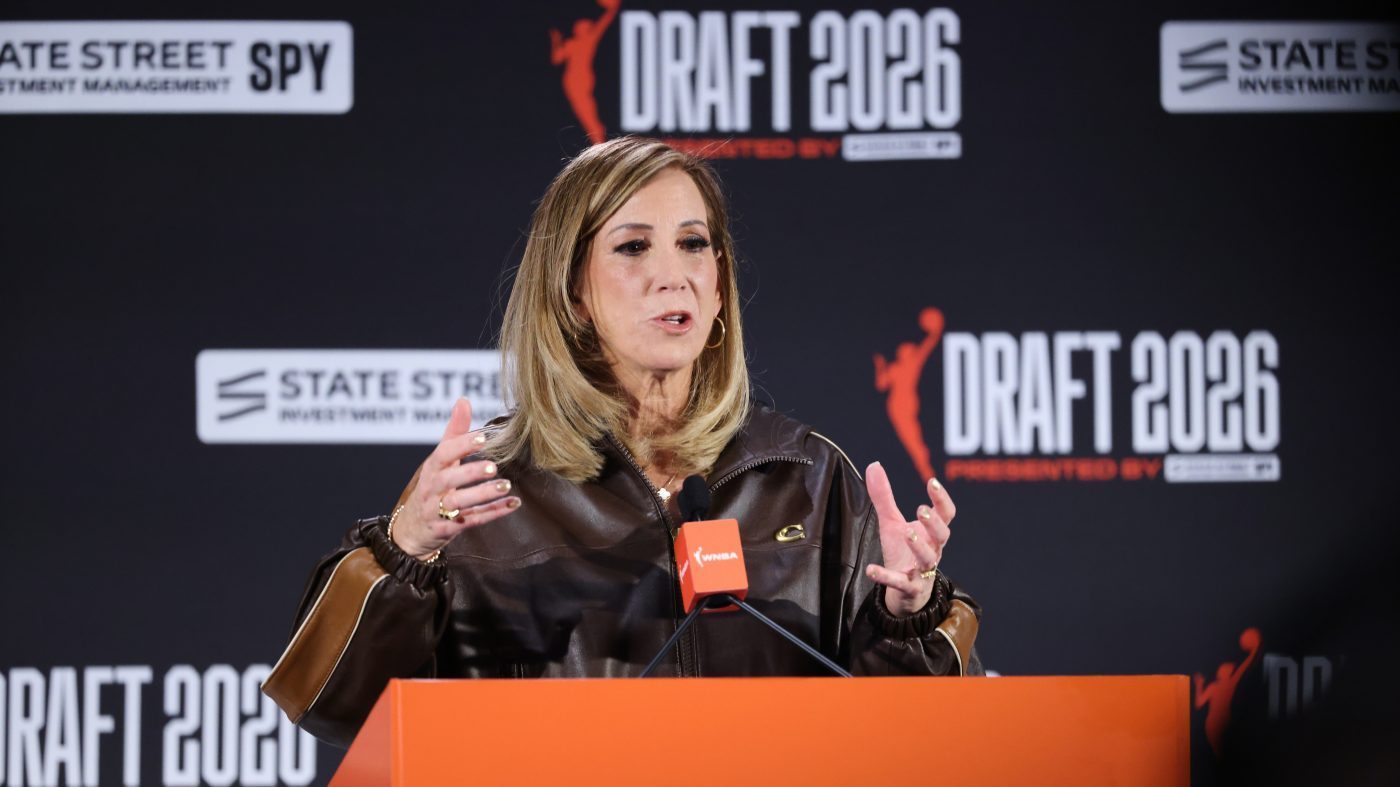
The WNBA will have a new leader next year. Commissioner Cathy Engelbert announced her retirement, effective at the end of the current season, concluding a seven-year run that transformed the league's financial landscape but also drew sharp criticism from players and lawmakers.
NBA Commissioner Adam Silver confirmed the news on Friday, praising Engelbert's stewardship during what he called the most significant growth period in the league's 30-year history. "Cathy has presided over the WNBA through the most significant period of growth in the league's 30-year history," Silver said in a statement. "We are grateful for Cathy's leadership and unwavering commitment to the advancement of women's basketball."

Under Engelbert, the league expanded from 12 to 18 teams, with the final additions slated by 2030. She also negotiated transformative media rights and collective bargaining agreements that boosted player salaries and benefits. Engelbert, who became the league's first commissioner in 2019, noted that she took the helm when the league's potential was still untapped. "In 2019, I had the privilege of being appointed the league's first commissioner and to lead a league with enormous potential yet untapped awareness and significant undervaluation," she said. "Over the years, it has been amazing to watch WNBA players thrive and lead the massive cultural surge around women's sports."
Despite these achievements, Engelbert's tenure was not without controversy. Players and observers frequently criticized her for appearing disconnected from the league's on-court realities and for a leadership style that some found aloof. The most prominent flashpoint came over the treatment of Caitlin Clark, the league's biggest draw, who absorbed a series of hard fouls during her first three seasons. Critics argued that Engelbert and the league failed to adequately protect Clark, fueling a broader debate about player safety and officiating standards.
Engelbert also faced pressure on the politically charged issue of transgender athlete participation. In a memo, she called the topic "complex and nuanced," pledging to continue discussions within the league. That stance drew fire from Republican lawmakers who have pushed for bans on transgender athletes in women's sports. The controversy intensified when former NBA players Enes Kanter Freedom and Royce White declared themselves eligible for the WNBA draft, testing the league's inclusion rules. The league has since formed a task force to examine its transgender policy, a move that has been closely watched on Capitol Hill.
As Engelbert prepares to depart, she has submitted a list of potential successors to the NBA's board of governors, and she is expected to help guide the transition. The next commissioner will inherit a league at a crossroads: financially stronger than ever, but grappling with internal divisions over player safety, political polarization, and the challenge of sustaining growth while maintaining competitive integrity.
Engelbert's legacy, analysts say, will be defined by the financial and structural gains she oversaw, but also by the unresolved tensions that surfaced during her watch. The search for her replacement comes at a critical juncture for a league that has become a cultural touchstone, yet still faces questions about how it navigates the intersection of sports, politics, and social policy.