President Trump on Monday said he has not yet committed to a trilateral meeting with Russian President Vladimir Putin and Chinese President Xi Jinping, but he left the door wide open, telling reporters he would participate if the opportunity arose.
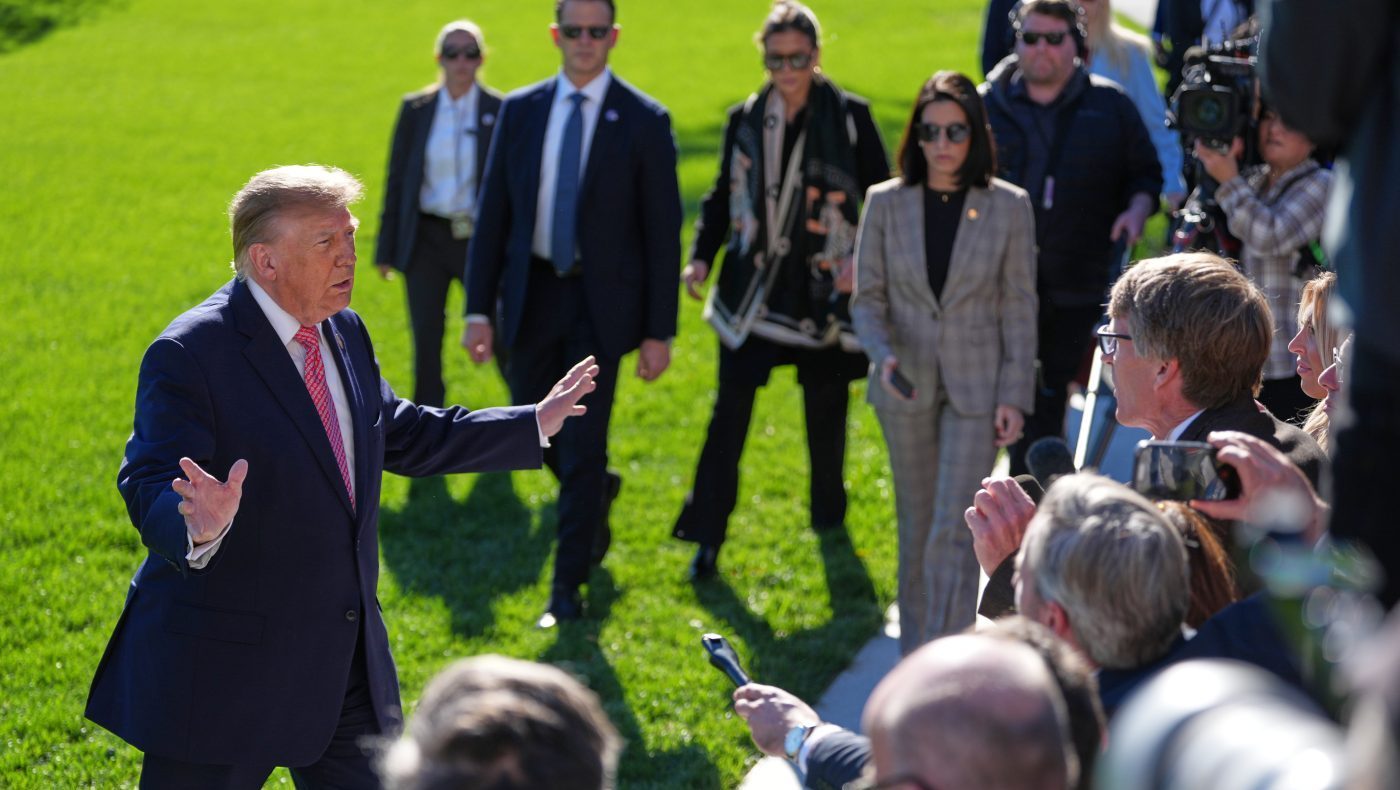
Speaking on the South Lawn before departing for a midterm rally in Kansas, Trump said such a gathering would not center on the war in Ukraine. “Not so much on Ukraine because Russia, frankly, has been fine on Ukraine, they haven’t been doing much, and the same with China,” he said. Instead, he framed the potential summit around arms control: “We would have it to talk about weapons and denuclearization.”
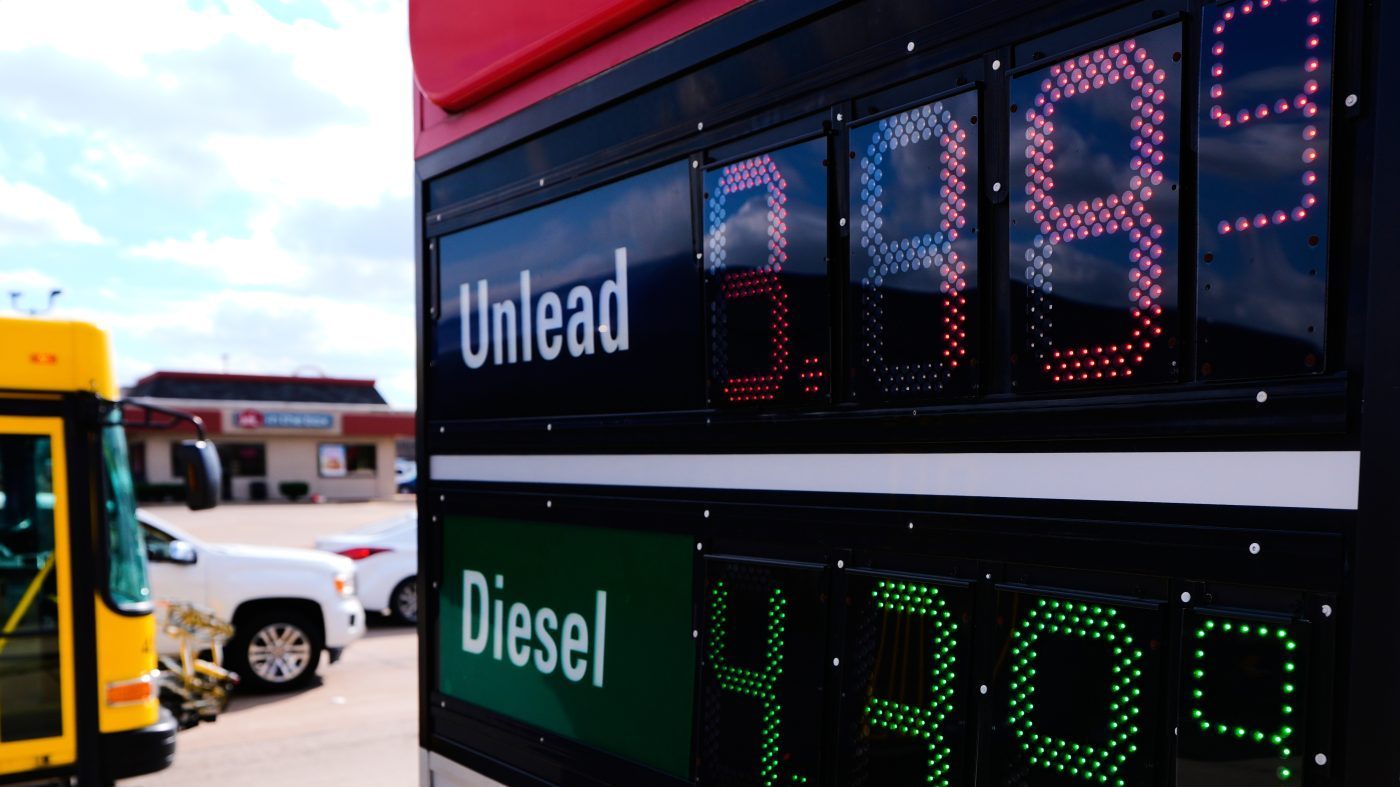
The president’s remarks follow a Wall Street Journal report that Putin proposed a trilateral meeting during a phone call with Trump earlier this month. That call reportedly led Trump to waive sanctions on Russia to permit diesel purchases, a move aimed at lowering fuel prices ahead of the midterms. The decision has drawn sharp criticism from Ukrainian officials and some U.S. lawmakers, with the move being labeled a betrayal of Senator Lindsey Graham’s legacy by the Journal’s editorial board.
Trump acknowledged that the leaders would likely discuss trade and other bilateral issues, and he suggested China as a possible venue for the summit. But the idea has already met resistance in Kyiv. Ukrainian Foreign Minister Andrii Sybiha said a trilateral meeting between Russia, China, and the U.S. would be unacceptable, arguing it would only encourage Putin to prolong the war. “A trilateral meeting between the leaders of Ukraine, the US, and Russia could help end the war sooner. A trilateral meeting between the leaders of Russia, China, and the US would do only the opposite,” he wrote.
Ukrainian President Volodymyr Zelensky has also lashed out at Trump’s sanctions waiver, accusing him of siding with Moscow. Trump fired back on Monday, saying Zelensky “doesn’t know what he is talking about” and suggested it might be time for Ukraine to find a new negotiator. “Maybe it’s time for Zelensky to get someone else to negotiate,” Trump told reporters.
The potential trilateral summit comes as Trump continues to reshape U.S. foreign policy, often bypassing traditional diplomatic channels. His willingness to engage directly with Putin and Xi has raised questions about the future of NATO and Western alliances. Critics worry that such a meeting could legitimize Russia’s aggression and undercut Ukraine’s position, especially as Zelensky has cast doubt on U.S. intelligence sharing following a recent Russian barrage.
Trump’s comments also come amid a broader push to project strength on the world stage, even as his domestic agenda faces scrutiny. His midterm pitch has been described as a golden age that skips his base, and his foreign policy moves are being closely watched by both allies and adversaries. The president has not set a timeline for the trilateral meeting, but his openness signals a potential shift in global diplomacy.
Meanwhile, the sanctions waiver on Russian diesel remains a flashpoint. Watchdogs have accused three Trump officials of campaigning in violation of the Hatch Act, adding to the administration’s controversies. The waiver, which was intended to ease diesel prices, has been criticized as a concession to Moscow at a time when Western unity is crucial.
As the midterm elections approach, Trump’s foreign policy decisions are likely to feature prominently in campaign ads and debates. The prospect of a summit with Putin and Xi, once unthinkable, now seems plausible, underscoring the unpredictable nature of Trump’s diplomacy. Whether such a meeting would yield meaningful progress on arms control or merely serve as a photo opportunity remains to be seen.