A fresh CBS News/YouGov survey reveals that an overwhelming majority of Texas voters attribute rising oil and gas prices to the ongoing conflict with Iran. The poll, conducted in mid-October, found that 91% of respondents believe the war is making fuel prices either “a lot higher” or “a little higher.” Only 7% said the conflict has had no impact, while a mere 1% thought prices were actually lower.
The findings come less than two weeks before the 2026 midterm elections, where the cost of living and energy prices have become central political battlegrounds. The war against Iran, now approaching its eighth month, has disrupted global oil markets, particularly through the closure of the Strait of Hormuz—a critical chokepoint for crude shipments.
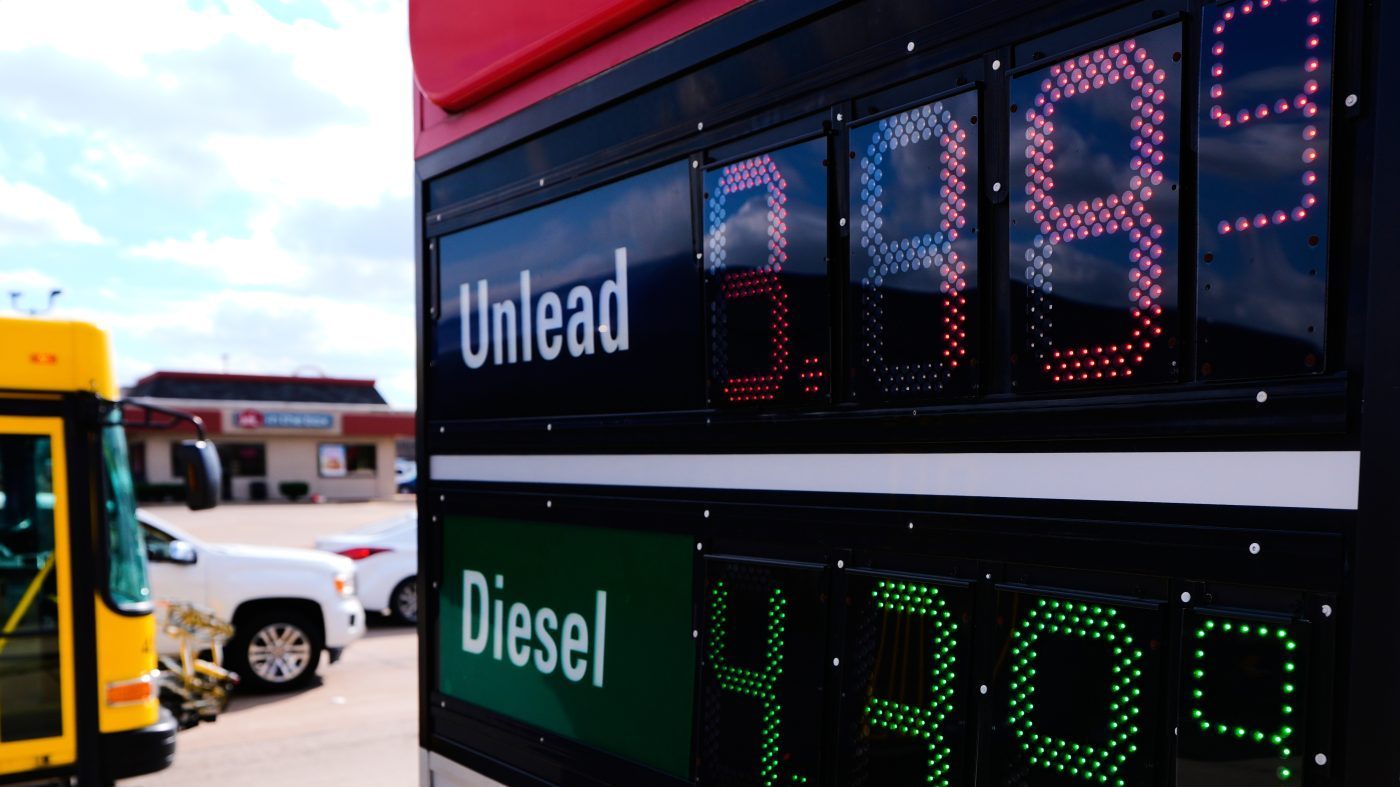
According to AAA data, the national average for a gallon of regular gasoline stood at roughly $4.30 on Monday afternoon, compared to about $3.04 at the same time last year. In Texas, drivers are paying about $3.78 per gallon, up from approximately $2.60 a year ago. These spikes are hitting households directly and fueling voter anxiety.
The poll also underscores the political stakes in Texas, where a fiercely competitive Senate race is unfolding. Democrats see an opportunity to flip a statewide seat, aided by a favorable national environment. The GOP is grappling with the fallout from the Iran war, persistent inflation, and President Trump’s declining approval ratings—all of which are weighing on Republican candidates.
In the head-to-head matchup, the survey gives Democrat James Talarico a narrow edge, with 51% of likely voters backing him, while 49% support Republican Ken Paxton. That margin is within the poll’s error margin, indicating a dead heat. The race has drawn national attention, with outside groups pouring money into the state. Recent reporting highlights how third-party candidates could influence the outcome in such a close contest.
Energy prices are not just a pocketbook issue; they are shaping campaign narratives. Democrats are hammering Republicans on the cost of living, while the GOP points to global instability. The inflation spike is complicating GOP strategy as voters head to the polls, making it harder for incumbents to defend their record.
In Texas, the Senate race has also seen its share of drama. Paxton has faced criticism from within his own party, with some business groups backing him while others question his viability. The race has turned to finger-pointing as Paxton slips in recent polls, and Democrats are mobilizing their base, including Latino voters. Voto Latino has invested $500,000 in Texas as early voting approaches, signaling the importance of this demographic.
The CBS News/YouGov poll surveyed 1,492 registered voters in Texas from October 8–16, with a margin of error of plus or minus 3.4 percentage points. As the election nears, energy costs remain a decisive factor, and candidates are scrambling to address voter concerns about the economy and the war abroad.