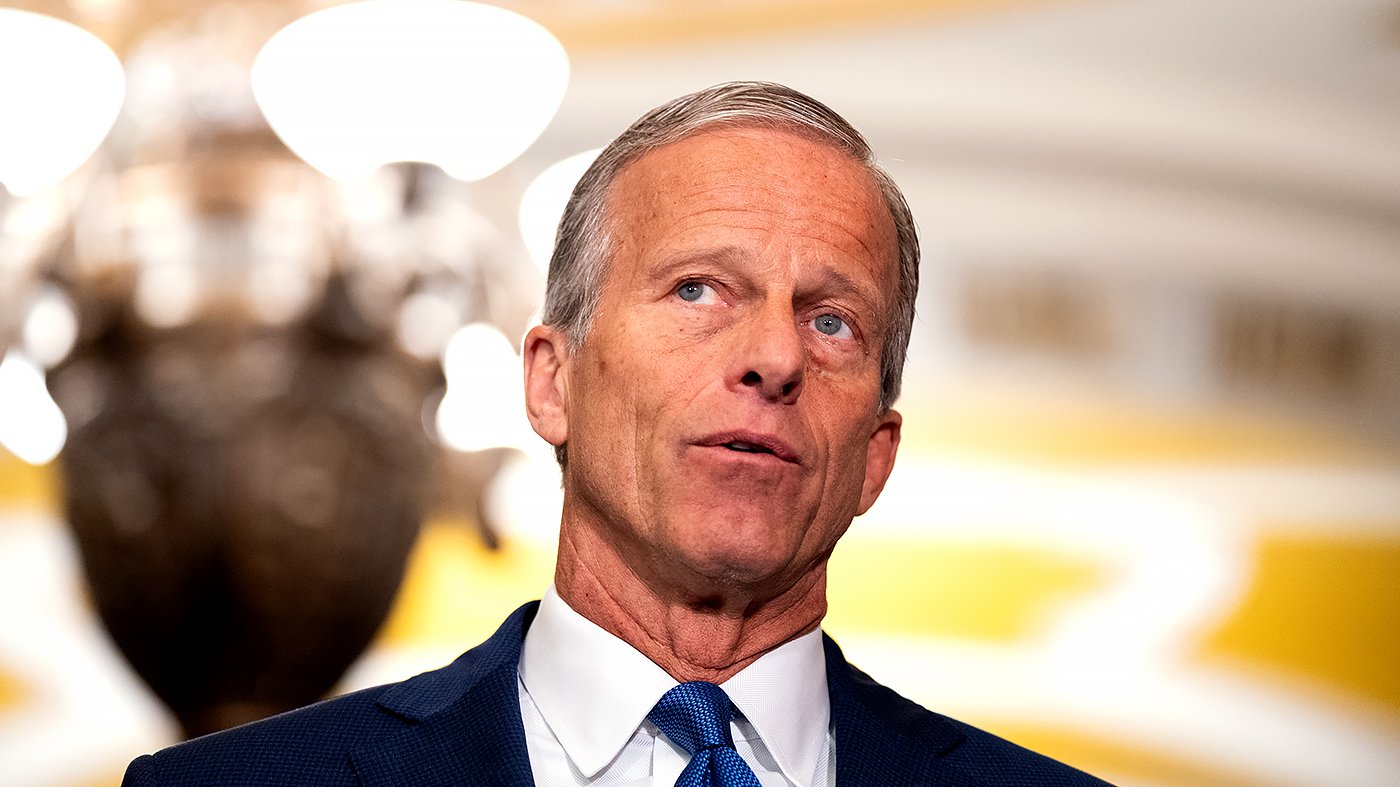
Senate Majority Leader John Thune (R-S.D.) voiced skepticism Tuesday about President Trump's decision to impose an additional 50 percent tariff on Canadian imports, telling reporters he wants a clearer explanation from the White House.
"Just finding out about that. I'm curious to know a little more about the rationale for it but as you know I'm not a huge fan of tariffs," Thune said, according to pool reports from Capitol Hill.
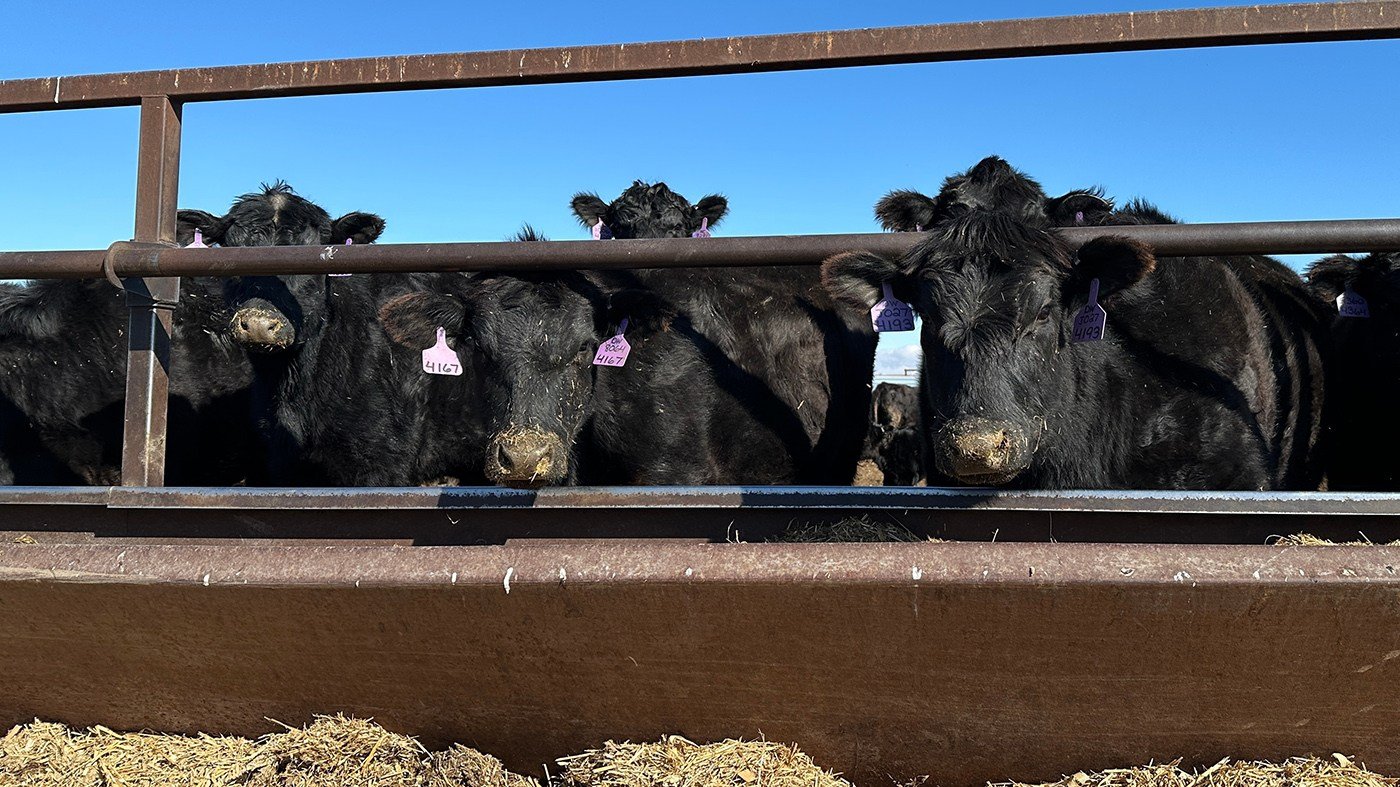
The remarks from the chamber's top Republican underscore growing unease within Trump's own party over the president's aggressive trade posture. Thune's home state of South Dakota, which exports roughly $846 million in goods to Canada each year and imports $554 million, has significant agricultural trade ties north of the border.
The new levies, announced by a senior administration official, target a broad swath of Canadian products—from wine and hockey sticks to cement—and are being imposed under Section 338 of the Tariff Act of 1930, a rarely used statute that allows the president to retaliate against discriminatory trade practices.
Canadian Prime Minister Mark Carney reacted with fury, calling the tariffs a "direct violation" of the United States-Mexico-Canada Agreement (USMCA). In a statement, Carney described the move as "the latest in a series of unilateral U.S. trade actions" that breach the free-trade pact negotiated during Trump's first term. He vowed that Canadians would "stand together to support our workers, farmers, businesses and families."
The tariff escalation comes as Trump's trade policies continue to strain relations with key allies. Earlier this year, the president threatened tariffs over Canadian wildfire smoke drifting into the U.S., a move widely seen as retaliatory. Meanwhile, tensions with Tehran have also flared, with Trump hosting Lebanon's president amid rising U.S.-Iran tensions.
Thune's comments reflect a broader unease among some Republicans about the economic fallout from the trade war. Agricultural exports from South Dakota—including soybeans, corn, and pork—are particularly vulnerable to Canadian retaliatory measures. The state's farmers have already been hit by previous rounds of tariffs and retaliatory duties.
The White House has not yet detailed the specific rationale for invoking Section 338, but officials have signaled that the administration is prepared to escalate further if Canada does not address U.S. concerns over dairy market access and digital services taxes. The move is likely to deepen the rift between Washington and Ottawa, with Canadian officials warning of retaliatory tariffs on U.S. goods ranging from orange juice to motorcycles.
Thune's skepticism places him at odds with the president's trade agenda, though he stopped short of outright opposing the tariffs. "I'd like to hear more about the strategy," he said. The Senate majority leader's comments come as House Democrats hold press conferences to counter the Trump agenda ahead of the midterms, and as the administration faces scrutiny over its broader trade and health policy moves.