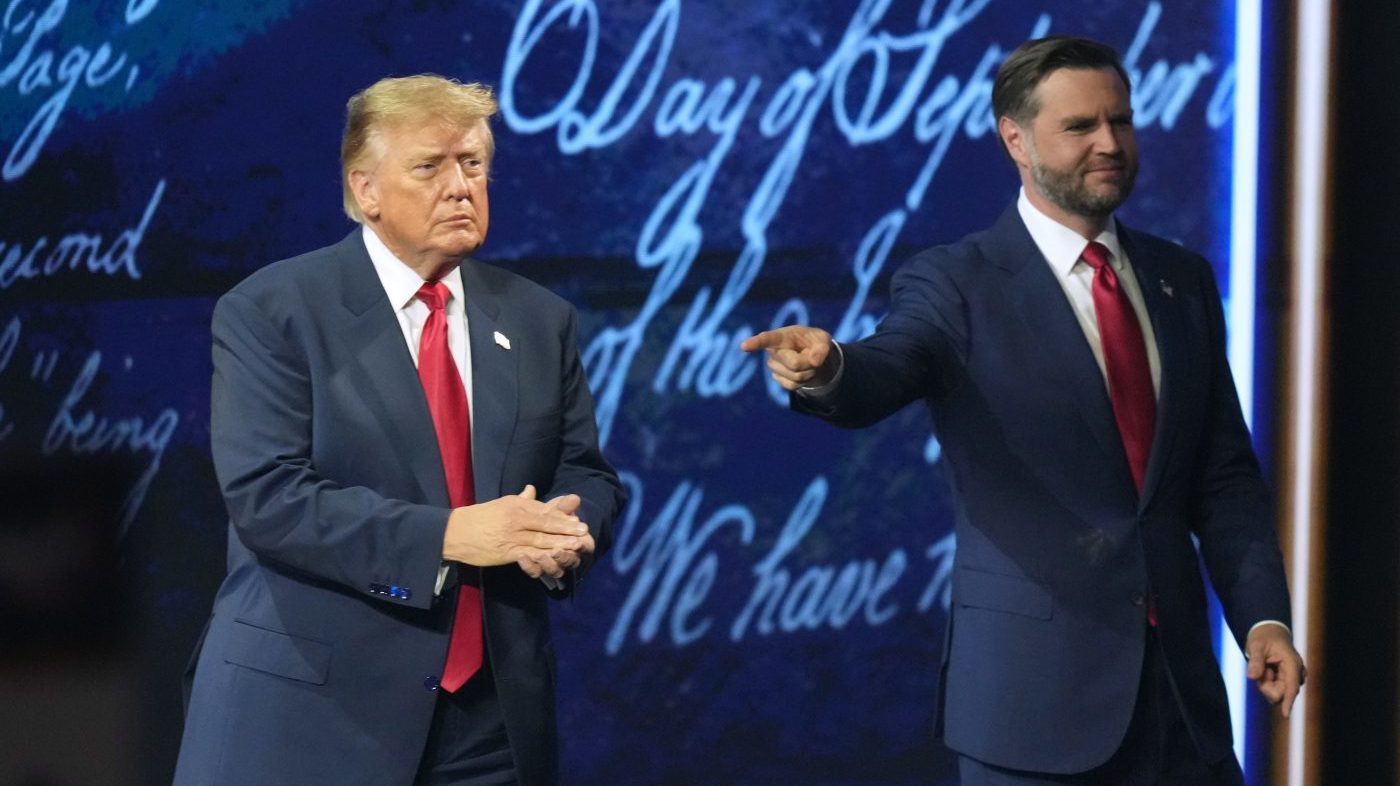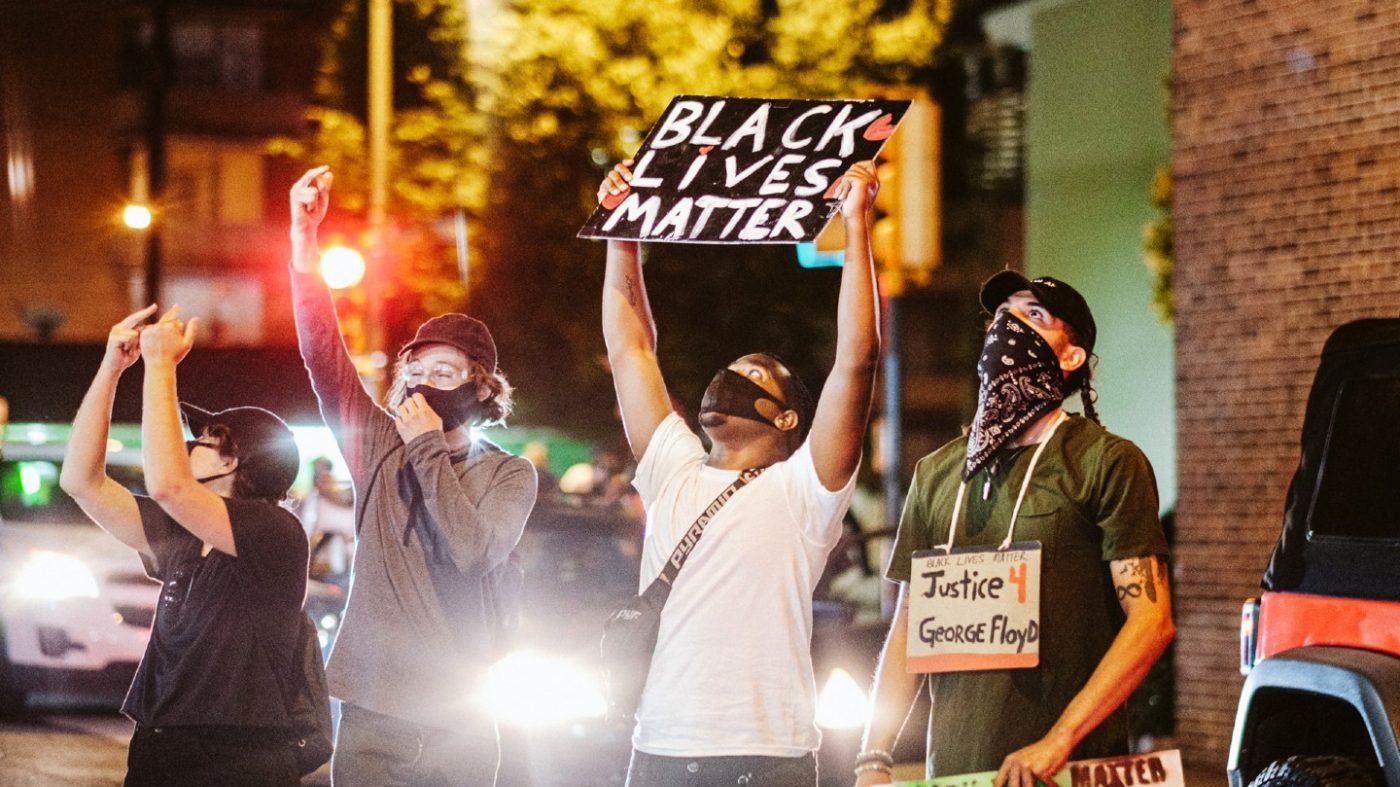
The State Department released a blockbuster report on Monday alleging that Cuba has systematically infiltrated and influenced a wide range of protests in the United States, stretching from the 1960s to the 2020 demonstrations following the murder of George Floyd.
The 100-page document, which officials say is based on declassified intelligence, paints Havana as the ideological and logistical engine behind some of America's most prominent leftist movements. It claims that since the early 1960s, the Cuban regime has served as the core of a new brand of Marxism, built on a deep-seated animosity toward the United States and the West.
“The Cubans devoted themselves to recruiting, cultivating, and mobilizing a global coalition of activists, intellectuals, and political groups around this cause,” the report states. It asserts that Havana built a sprawling revolutionary network that influenced a disproportionate share of America's most famous and influential extremist movements, including the Black Panthers, the Weather Underground, and modern-day Antifa.
The report also links Cuba to powerful leftist nonprofits, groups opposing Immigration and Customs Enforcement (ICE), socialist organizations, and Marxist militant groups across the U.S. It specifically highlights Cuba's “gleeful support” for the George Floyd protests, noting that Cuban state media and government officials portrayed the United States as a systemically racist country, morally unfit to criticize Cuba's own human-rights record.
The timing of the report coincides with escalating tensions between Washington and Havana. Earlier this month, United Nations Ambassador Mike Waltz characterized Cuba as a national security threat and accused China and Russia of gathering intelligence near U.S. military bases on the island. In May, CIA Director John Ratcliffe met with Cuban officials to reinforce President Trump's warning of a potential invasion or military response.
The report's release is part of a broader administration push to reframe Cuba as an active adversary rather than a dormant Cold War relic. Critics, however, argue that the document overstates Havana's influence and serves as a political tool to justify a hardline stance. The State Department did not immediately respond to requests for comment on the report's methodology.
This development comes amid other political shakeups. In a related story, Ukraine's president dismissed his defense chief after just six months, sparking protests in Kyiv. Meanwhile, domestic election security debates continue, with Senator Mullin escalating threats against states over election integrity.
As the administration doubles down on its Cuba policy, the report is likely to fuel further debate over the extent of foreign influence in U.S. domestic affairs. The document stops short of providing specific evidence of direct Cuban funding or operational control over the protests, but it insists that Havana's ideological footprint is unmistakable.