Iran's Islamic Revolutionary Guard Corps launched attacks against multiple commercial vessels transiting the Strait of Hormuz on Wednesday, dramatically escalating regional tensions less than 24 hours after President Donald Trump announced an indefinite extension of a military ceasefire. The coordinated maritime assaults represent the most significant military action in the critical waterway since the U.S. imposed a naval blockade in April.
Attacks Target Key Shipping Lane
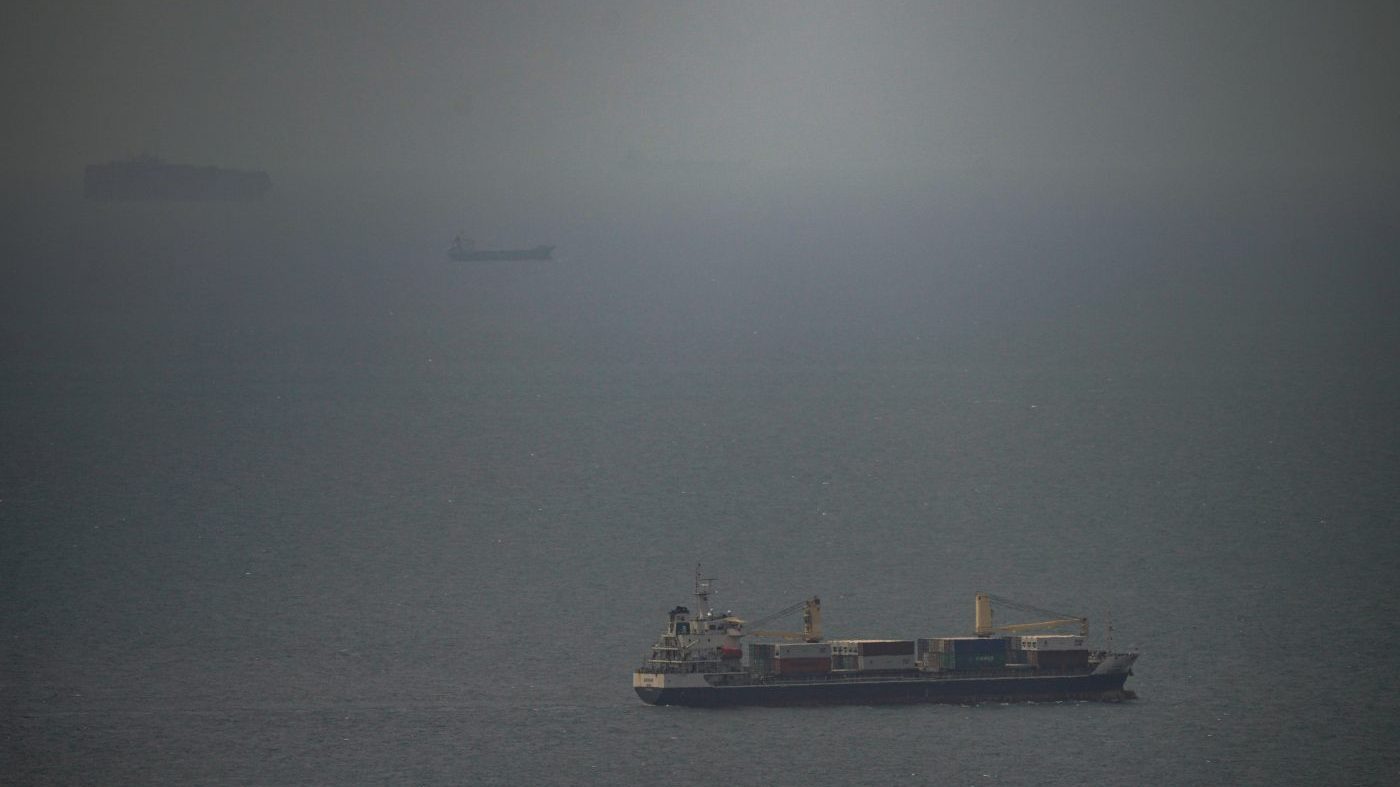
According to reports from the United Kingdom Maritime Trade Operations, an IRGC gunboat approached and opened fire on a container ship approximately 15 nautical miles northeast of Oman. The attack caused substantial damage to the vessel's bridge, though no fires or environmental damage were reported and all crew members remained safe. Later the same day, UKMTO documented a second incident where an outbound cargo ship eight nautical miles west of Iran was fired upon, forcing it to halt in the water. Again, no casualties or significant vessel damage were reported.
Iran's state-aligned Fars News Agency offered a conflicting narrative, reporting that the IRGC Navy had seized two "violating" ships and directed them toward the Iranian coast. It remains unclear whether these seized vessels correspond to those reported by international maritime authorities, creating a fog of conflicting claims around the incidents.
Ceasefire Extension Preceded Violence
The maritime attacks followed President Trump's Tuesday announcement that he was extending the ceasefire with Iran indefinitely, though he maintained the U.S. naval blockade of the Strait of Hormuz that has been in effect since mid-April. In a series of posts on his Truth Social platform, Trump framed the decision as a response to requests from Pakistani leadership and cited Iran's "seriously fractured" government as justification for delaying military action. This decision represents a notable shift in the administration's approach, which had previously signaled potential military escalation.
Trump's extension of the ceasefire came amid his broader strategic maneuvering on Iran policy, an approach some analysts have questioned in terms of its long-term effectiveness compared to established frameworks like the JCPOA. The president simultaneously ordered the U.S. military to continue enforcing the naval blockade implemented in response to earlier Iranian restrictions on shipping through the waterway—restrictions that have significantly impacted global oil markets and contributed to rising energy and fertilizer prices in the United States.
Conflicting Narratives on Iranian Intentions
In his social media statements, Trump presented contradictory assessments of Iranian motivations. He claimed that Tehran "doesn't want the Strait of Hormuz closed, they want it open," suggesting the regime maintains shipping restrictions primarily to "save face" domestically. According to the president, intermediaries approached him four days earlier indicating Iran's desire to immediately reopen the strategic passage.
Yet Trump also asserted that accommodating such a move would eliminate leverage for future negotiations, stating, "unless we blow up the rest of their Country, their leaders included!" Later Tuesday evening, he doubled down on this economic pressure narrative, claiming Iran is "collapsing financially" and "starving for cash," losing an estimated $500 million daily while military and police personnel go unpaid.
Broader Strategic Context
The Strait of Hormuz incidents occur against a backdrop of sustained U.S. military and economic pressure on Iran. The American naval blockade, which Tehran has repeatedly condemned as a violation of international law and the ceasefire terms, has created a persistent flashpoint in one of the world's most critical energy corridors. The blockade's economic consequences have drawn criticism from some U.S. lawmakers, including Senator Ed Markey, who has accused the administration of creating what he terms an 'energy apocalypse' through its Strait of Hormuz policies.
These developments underscore the volatile nature of U.S.-Iran relations under the current administration, where public declarations of diplomatic openness coexist with sustained military pressure and economic sanctions. The immediate attacks following the ceasefire extension suggest that Tehran may be testing Washington's resolve, using calibrated military actions to demonstrate capability while avoiding a full-scale confrontation. How the administration responds to these latest provocations will signal whether the extended ceasefire represents a genuine diplomatic opening or merely a pause before further escalation.