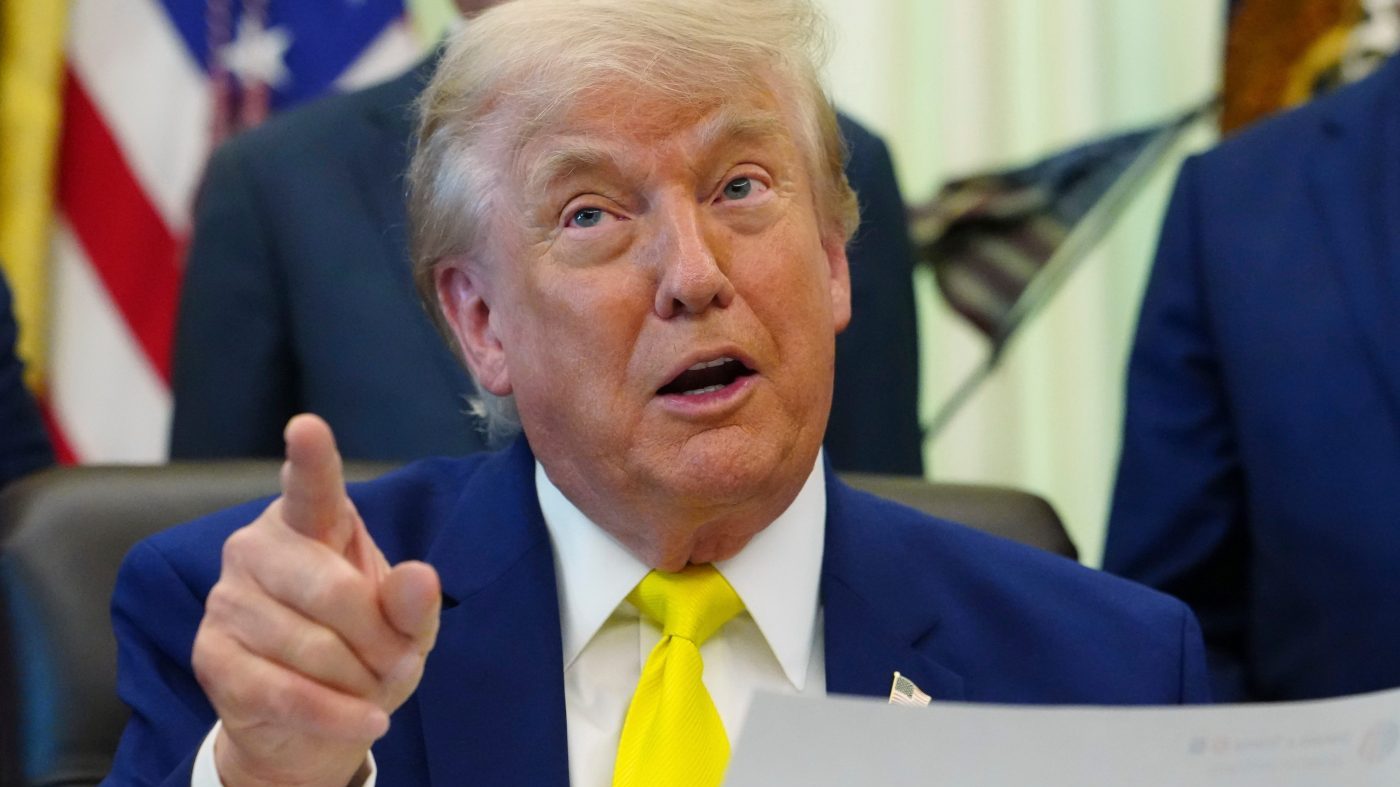
President Donald Trump on Friday rejected inflation anxieties triggered by a stronger-than-expected jobs report, insisting that solid economic expansion should be a market positive. In a post on Truth Social, Trump wrote, “With a great Jobs Report, like just announced, stocks should go up, not down. That’s the way it was for 200 years. Growth does not mean inflation! How else can a Country attain GREATNESS???”
The Labor Department reported the U.S. economy added 172,000 jobs in May, nearly double what analysts had forecast. The unemployment rate held steady at 4.3 percent. While the numbers bolster the administration’s economic narrative, they also intensify debate over whether the Federal Reserve, now led by Trump-appointed Chair Kevin Warsh, will have leeway to cut interest rates later this year. Sustained hiring can stoke price pressures, potentially keeping inflation elevated and limiting the Fed’s ability to ease monetary policy.
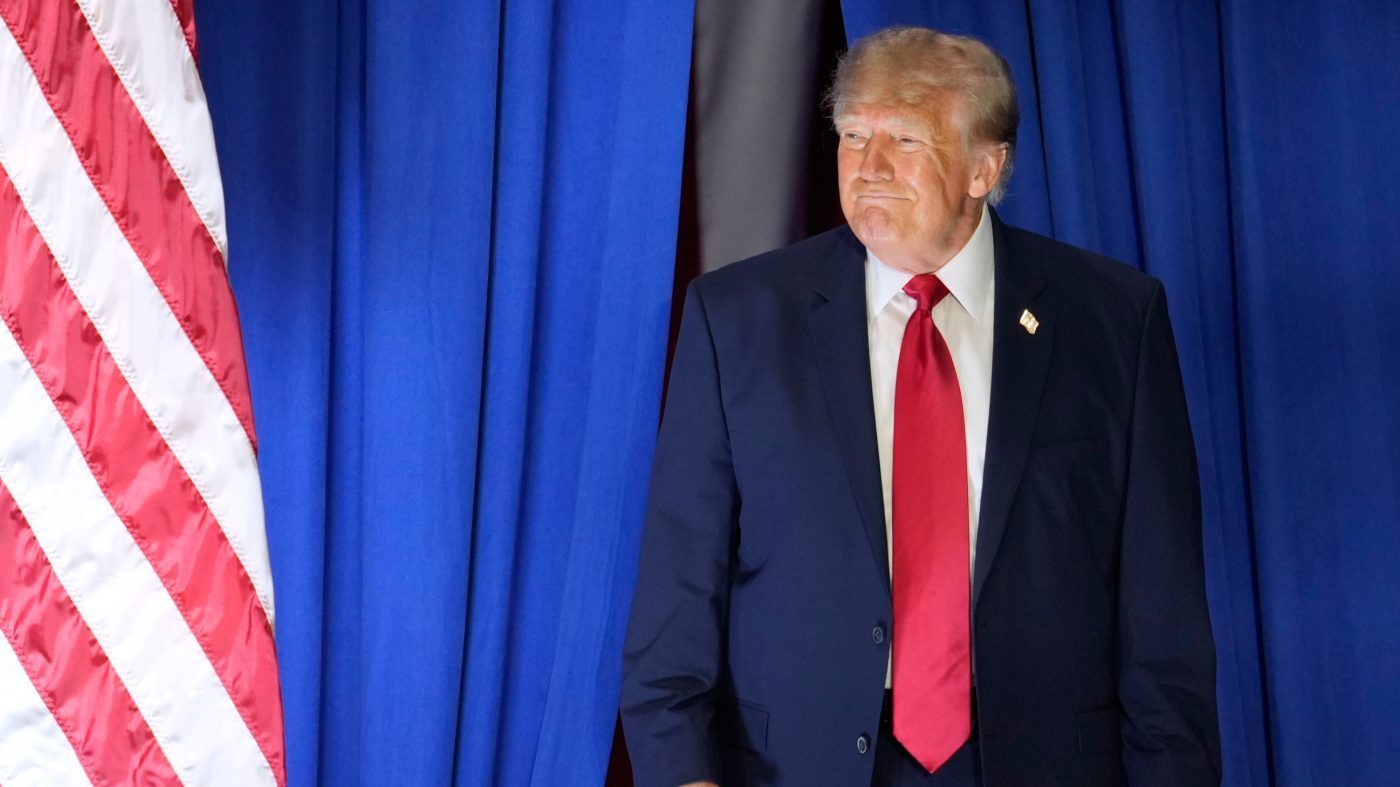
Global markets reacted cautiously. The S&P 500 fell 1 percent, the Dow Jones Industrial Average dropped 125 points, and the Nasdaq composite slid 1.6 percent, according to The Associated Press. Bond prices rose as investors sought safe havens. The sell-off was most pronounced among Big Tech stocks, while energy sector volatility added to the unease.
The jobs data arrives amid a volatile geopolitical landscape. The ongoing conflict with Iran and the closure of the Strait of Hormuz have disrupted oil supplies, pushing crude prices higher. West Texas Intermediate crude settled at $105.42 a barrel, while Brent crude closed at $109.26, according to Bloomberg Energy figures. Talks between the U.S. and Iran aimed at de-escalating tensions and reopening the strait—a critical chokepoint for global oil transit—appear stalled, leaving markets on edge. The Iranian gambit in the Strait of Hormuz has left the Trump administration with limited options, analysts say.
Energy costs are feeding into broader inflation concerns. The national average for regular gasoline stood at $4.22 a gallon on Friday, according to AAA. Diesel prices remained higher at $5.38 a gallon, exacerbating shipping and transportation bottlenecks even as crude oil prices show signs of easing. These costs are a central worry for voters, and Trump’s approval ratings have slipped in recent weeks as affordability issues and the Middle East conflict dominate headlines ahead of the November midterms.
Trump has consistently touted job growth as proof of his administration’s economic strength. But the disconnect between strong hiring and market jitters underscores a deeper political vulnerability. With the midterms approaching, Democrats led by figures like Pete Buttigieg are positioning themselves as a counterweight, arguing that the administration’s policies have not alleviated everyday financial pressures for working families.
The president’s messaging also faces headwinds from his own party. Some Republicans worry that the combination of persistent inflation and geopolitical instability could erode the economic advantage they hope to carry into the midterms. Meanwhile, Trump’s legal battles continue to draw attention; his use of SLAPP suits to silence the press has sparked criticism from media advocates and free-speech groups.
Despite the market turbulence, Trump remains bullish on the economy’s trajectory. “Growth does not mean inflation,” he reiterated, framing the jobs report as a vindication of his policies. Whether voters share that optimism will be tested at the ballot box in November.