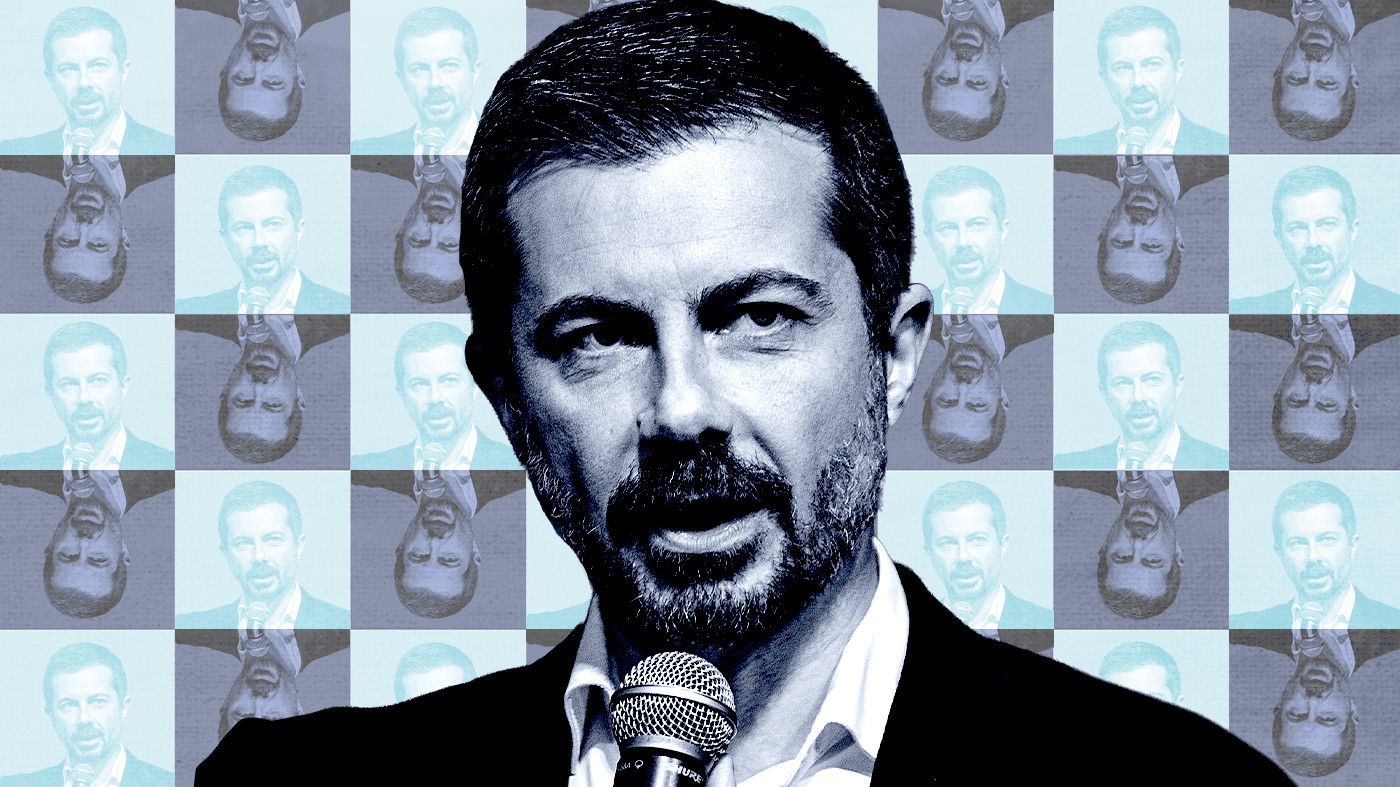
Pete Buttigieg is positioning himself as the Democratic Party's most visible counterweight to President Trump, leveraging his post-Cabinet freedom to travel the country and appear across media outlets, including Fox News. The former Transportation secretary has become a ubiquitous presence in the lead-up to the midterms, visiting battleground districts and red states alike.
An Emerson College poll released last week shows Buttigieg leading a hypothetical Democratic presidential primary field for 2028, ahead of California Governor Gavin Newsom and former Vice President Kamala Harris. For a party reeling from its 2024 defeat, this marks a shift in early positioning.
Democratic strategist Steve Schale praised Buttigieg's ability to both criticize Trump and offer a forward-looking vision. “Pete does one thing maybe better than anyone right now: he can effectively indict the Trump presidency while still giving Democrats an aspirational vision for the future,” Schale said.
Unlike potential rivals such as Newsom, Illinois Governor J.B. Pritzker, and Kentucky Governor Andy Beshear, Buttigieg is not tied to the demands of elected office or reelection. This freedom has allowed him to travel to over a dozen states in recent weeks, including Michigan, Wisconsin, and Pennsylvania, and to headline the Liberty and Justice Celebration dinner in Iowa.
His travel and endorsements have built a network of local and state contacts. In Montana, he held a town hall on a ballot measure to ban corporate money in politics. Jeff Mangan, founder of the Transparent Election Initiative, noted Buttigieg's approachability. “It felt like he was one of us,” Mangan said. “People took away that he’s very approachable and that he’s willing to talk and ask people direct issues and learn what their kitchen table issues are.”
In North Carolina, Buttigieg campaigned for state house candidate Ken McCool, who emphasized the importance of showing up in areas where Democrats typically lose. “He goes to places where other Democrats don’t go, these places where Democrats lose,” McCool said. “It’s a lesson to all Democrats. We can’t write people off based on where they live.”
Buttigieg still faces challenges, particularly with Black voters. An Emerson poll last year showed zero percent Black support for him in a 2028 primary. However, a Boston Globe poll from April indicated improvement, with Buttigieg leading among Massachusetts voters, including 16% of Black respondents. The party's internal debate about electability—including whether to nominate a white man in 2028—also looms, as does the question of his sexual orientation. As one strategist noted, “The fact that he is gay is always going to be an open question.”
Lis Smith, a senior adviser to Buttigieg's 2020 campaign, argued his appeal lies in offering a contrast to political chaos. “He doesn’t just talk about what he’s against. He’s very much about what the Democratic Party can be,” Smith said. For now, Buttigieg is filling the role of the party's most active messenger, a role that could shape the 2028 primary field.
Meanwhile, other political dynamics continue to unfold, including Trump's demand that Fox News fire Karl Rove and the lingering impact of James Carville's 'seventh-string quarterback' critique on Democratic morale.