New York City health officials confirmed a third fatality on Sunday in the ongoing Legionnaires’ disease outbreak centered on the Upper East Side. The New York City Department of Health and Mental Hygiene reported that 74 cases have now been linked to the cluster, with eight patients still hospitalized.
Commissioner Dr. Alister Martin announced the latest death in a statement, expressing condolences and noting that investigators have not observed “any concerning trends” in emergency surveillance data. The health department had disclosed a second death just one day earlier.
“It is with great sadness that I report a third person has died in connection with the Legionnaires’ disease community cluster on the Upper East Side. Our hearts are with their family and friends as they mourn their loss,” Martin said.
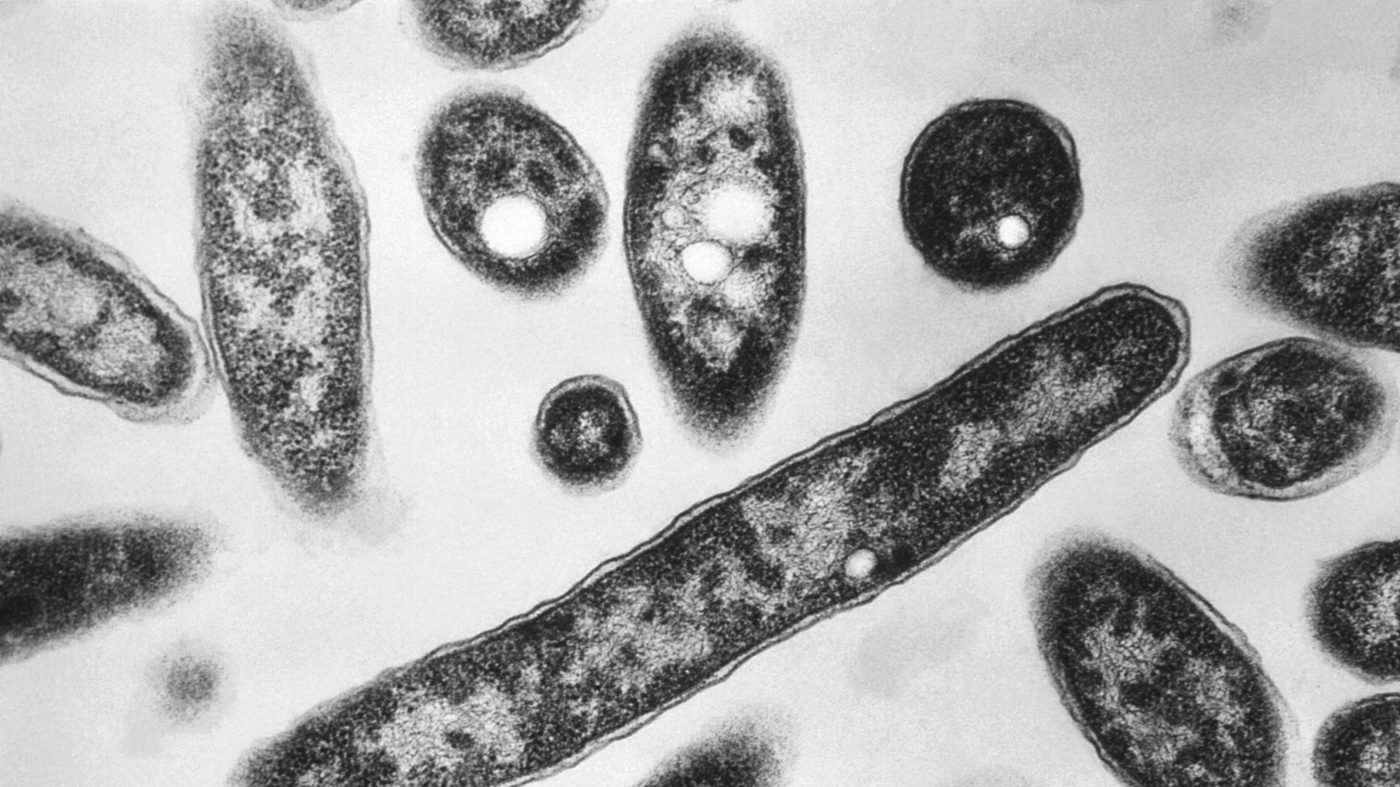
Officials have not yet identified the exact source of the outbreak, but they noted a sustained decline in new cases, suggesting that the exposure to Legionella bacteria has likely been eliminated. The bacteria thrive in warm, stagnant water, often found in cooling towers of large buildings’ air conditioning systems.
City inspectors have been testing cooling towers across the affected area, and property owners are required to drain and disinfect any towers that test positive. The health department will continue inspecting all towers that show contamination.
Legionnaires’ disease is a severe form of pneumonia. While treatable with antibiotics, the U.S. Centers for Disease Control and Prevention estimates that about 10 percent of cases result in death due to complications. The outbreak has prompted urgent warnings for residents and visitors in ZIP codes 10028, 10075, and 10128 to seek immediate medical care if they develop flu-like symptoms.
This latest health crisis comes amid broader concerns about infectious disease outbreaks in urban settings. In a separate incident, a Cyclospora outbreak linked to lettuce has raised questions about produce safety and pricing. Meanwhile, critics have pointed to systemic failures in public health oversight, as highlighted by reports that Medicaid home healthcare fraud thrives when regulators ignore available data.
The health department continues to monitor the situation closely and will provide updates as the investigation progresses.