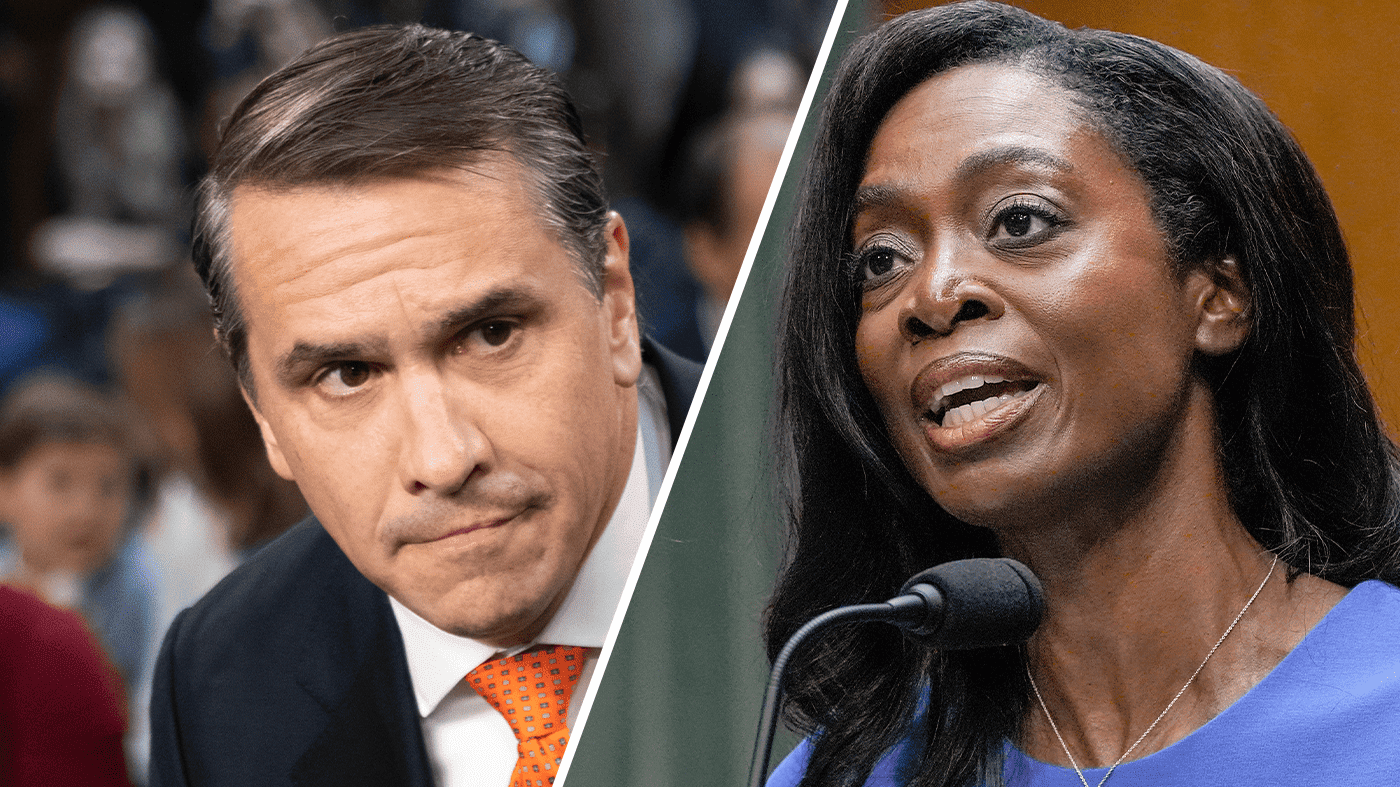
In the coming weeks, several high-profile Trump administration nominees will face committee votes that could reveal whether outgoing Republican senators are willing to defy the White House—or at least demand concessions. The confirmations of CDC director nominee Erica Schwartz, Attorney General Todd Blanche, Labor secretary pick Keith Sonderling, and Director of National Intelligence nominee Jay Clayton are emerging as a litmus test for GOP independence.
The so-called "YOLO caucus"—Senators John Cornyn (R-TX), Bill Cassidy (R-LA), and Thom Tillis (R-NC)—has become a focal point. Cornyn and Cassidy lost their June primaries to Trump-backed challengers, while Tillis is retiring. Their newfound freedom to speak candidly has already strained relations with the administration, especially after tensions peaked earlier this summer. These three, along with moderates like Lisa Murkowski (R-AK) and Susan Collins (R-ME), have formed a bulwark against some of Trump’s more controversial moves.

Cassidy, a physician and chair of the committee overseeing Schwartz’s nomination, expressed deep dissatisfaction after pressing her on whether she would maintain independence from Trump and HHS Secretary Robert F. Kennedy Jr. regarding vaccine safety. "You can be CDC director and just take orders. We need a CDC director that will actually stand up to crazy, stupid things being said that undermine faith in immunization," Cassidy said during the hearing. With all Democrats expected to vote against Schwartz, a single GOP "no" could block her advancement. Cassidy has not yet disclosed his vote.
Similarly, Blanche’s confirmation hangs in the balance. Cornyn and Tillis, swing votes on the Judiciary Committee, have raised concerns about Blanche’s tenure as acting attorney general, particularly his handling of a proposed legal defense fund for victims of government "weaponization." That fund was so contentious it derailed a bipartisan immigration enforcement package in May. Blanche has called it "dead" but refused to provide written assurance. Cornyn told reporters after the hearing, "The argument was that the anti-weaponization fund is dead, and what [Blanche] confirmed was that it’s not."
Blanche also faced scrutiny over the Jeffrey Epstein files. Tillis pressed him to meet with victims, which Blanche did Thursday. One survivor, Annie Farmer, described the meeting as "abrasive, condescending and intentionally noncommittal." Tillis commended the meeting but gave no indication of his vote, expected in two weeks. Meanwhile, Clayton’s path appears smoother, though the reauthorization of a key foreign surveillance law—which expired last month—remains unresolved. The interim DNI, Bill Pulte, has drawn bipartisan criticism for using mortgage records to investigate Trump’s political enemies, as reported earlier.
The confirmation battles come amid broader tensions between Trump and Senate Republicans, with the president’s recent revived election interference claims further straining ties. For outgoing senators, these votes offer a rare chance to assert independence before leaving office.