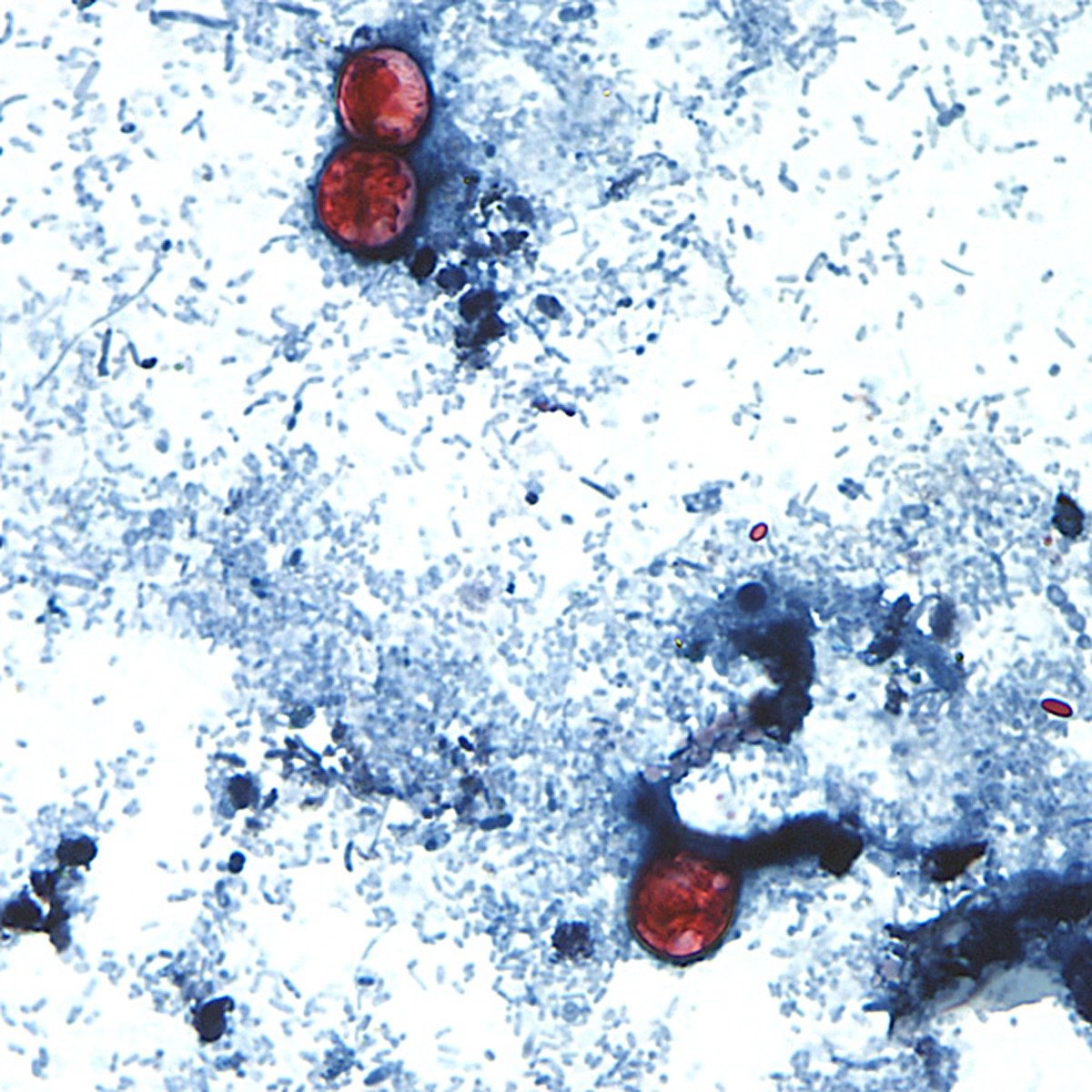
Federal regulators have reversed course on a key test result in the ongoing cyclospora outbreak, but they are not backing away from lettuce as a suspect. The U.S. Food and Drug Administration initially reported Saturday that shredded lettuce samples from Taylor Farms tested positive for the parasite, prompting a recall of products sourced from central Mexico. By Sunday, the agency walked back that finding, stating that further review showed the result was a false positive.
Despite the retraction, the FDA emphasized that its investigation into the outbreak, which has sickened thousands across multiple states, remains active. The agency continues to focus on shredded lettuce as a potential source, even as the specific test result has been discredited. The incident highlights the challenges of food safety testing amid a fast-moving public health crisis.
Taylor Farms had issued a recall of several lettuce products after the initial positive result, but the company has not yet commented on whether the recall will be lifted. The broader outbreak, linked to cyclosporiasis, has led to lawsuits and increased scrutiny of supply chains. In a related development, three Ohio residents have filed a lawsuit against Taco Bell and the lettuce supplier over the outbreak.
The FDA's handling of the test result has drawn criticism from some consumer advocacy groups, who argue that the false positive could undermine trust in food safety alerts. However, regulators insist that the decision to issue the recall was precautionary and based on the best available evidence at the time.
The cyclospora outbreak has now affected over 1,600 people across 34 states, with cases continuing to rise. Taylor Farms expanded its recall earlier this month as the scope of the outbreak became clearer. The parasite, which causes gastrointestinal illness, is typically spread through contaminated produce.
In the political arena, the outbreak has sparked debates about food safety regulations and the role of federal agencies. Some lawmakers have called for stricter oversight of imported produce, particularly from Mexico, which supplies a significant portion of U.S. lettuce. The FDA's misstep could fuel arguments for more robust testing protocols.
Meanwhile, the economic impact of the outbreak is being felt. Some economists have suggested that the recall could temporarily lower lettuce prices as supply disruptions take hold. Consumers are advised to stay informed as the investigation evolves, though the FDA has not issued new warnings beyond the initial recall.
For now, the focus remains on tracing the source of the contamination and preventing further illnesses. The FDA has not ruled out additional actions, including expanded recalls or import restrictions, as the probe continues.