The Democratic National Committee's bungled post-election autopsy has sparked plenty of hand-wringing, but the party already received the only diagnosis it truly needed—and it came from one of its own, delivered with characteristic bluntness.
In late January 2025, veteran strategist James Carville appeared on PBS's Firing Line and likened Vice President Kamala Harris's 2024 presidential run to a "seventh-string quarterback" thrust into the Super Bowl. "Now that's what happened, okay?" Carville said. "You can't address a problem unless you're honest about a problem."
Carville's metaphor cuts to the core of a campaign that was, by many measures, ill-prepared and hamstrung from the start. But it's worth noting that Carville himself predicted a Harris victory—in August 2024, he said it was more likely she'd win by 5 points than Donald Trump would win by 1.5 points. Trump ultimately won both the popular vote and the Electoral College, 312 to 226. The miss doesn't invalidate Carville's post-mortem, but it underscores how even savvy observers were blindsided.
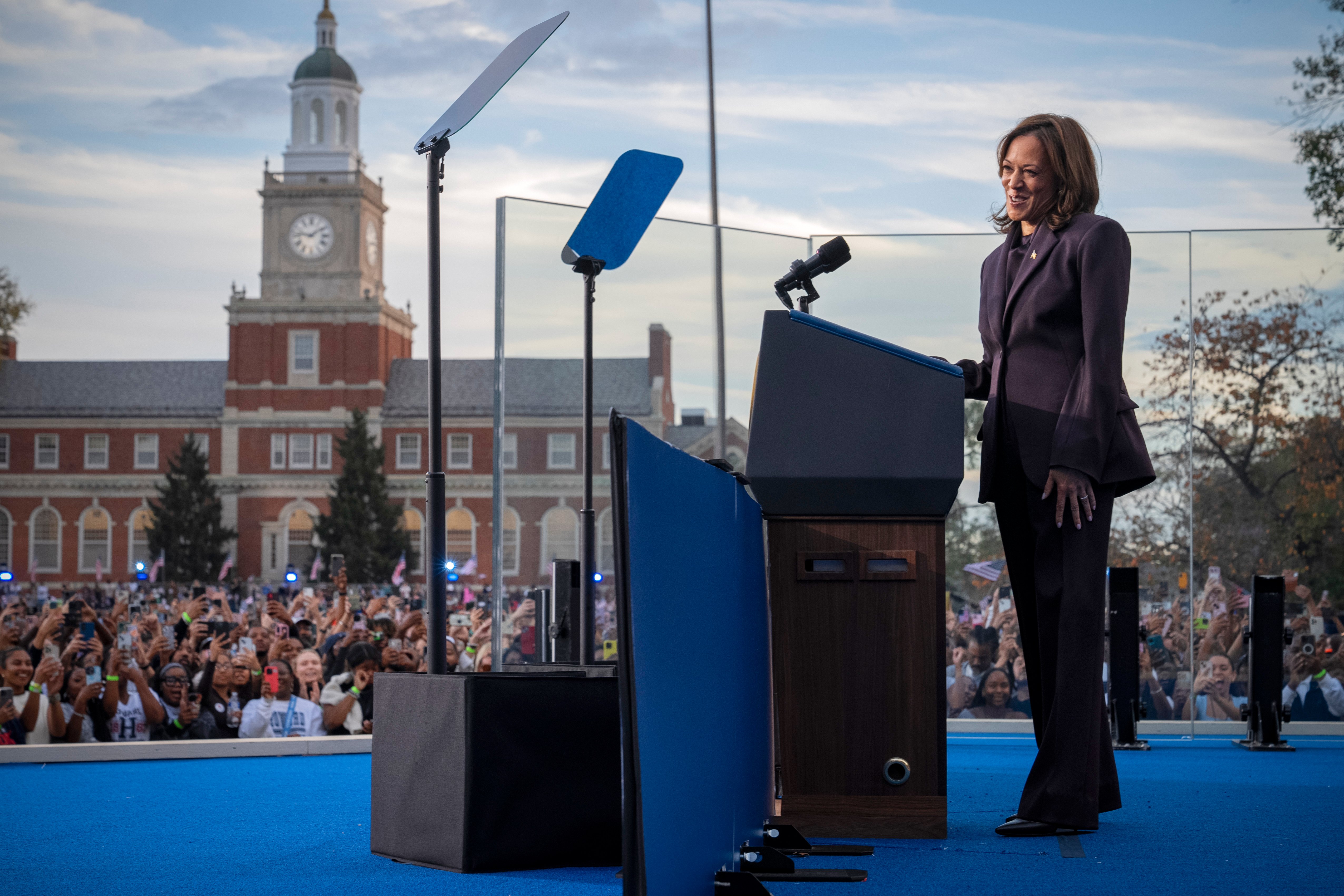
The "seventh-string quarterback" label captures a cascade of strategic errors. Harris became the nominee without a competitive primary after President Joe Biden stepped aside following his disastrous June 2024 debate performance. The hasty coronation, driven by party elites, left voters with the impression that internal democracy had been sidelined. That perception, Carville and others argue, eroded trust and enthusiasm.
Harris also miscalculated by courting anti-Trump Republicans like former Representative Liz Cheney of Wyoming. Cheney's endorsement, meant to broaden the coalition, instead reminded voters of her family's deep unpopularity—among Democrats for the Iraq War legacy and among Republicans for her break with Trump. The gambit failed to move the needle.
More damaging was Harris's refusal to distance herself from Biden's policies. In an October 2024 interview on ABC's The View, co-host Sunny Hostin asked if she would have done anything differently. "There is not a thing that comes to mind," Harris replied. The answer effectively framed her as a continuation of an unpopular administration, a political albatross she never shook.
Immigration proved another fatal vulnerability. Harris offered no coherent response to the surge of illegal crossings under Biden, failing to articulate a defense or a plan. The issue dominated swing-state electorates, and her silence handed Trump a powerful cudgel.
Her media strategy was equally cautious. In the weeks after her nomination, national reporters complained that she had "barely engaged" with the press, keeping journalists at arm's length. That wariness, combined with her reluctance to break with Biden, created an impression of evasiveness that her opponent exploited.
The lesson for Democrats is clear: avoid coronations, don't embrace the other party's pariahs, encourage internal debate, and develop coherent policies on top-tier issues like immigration. Carville's sharp metaphor may have been delivered in a moment of pique, but it remains the most succinct and honest autopsy the party has seen.