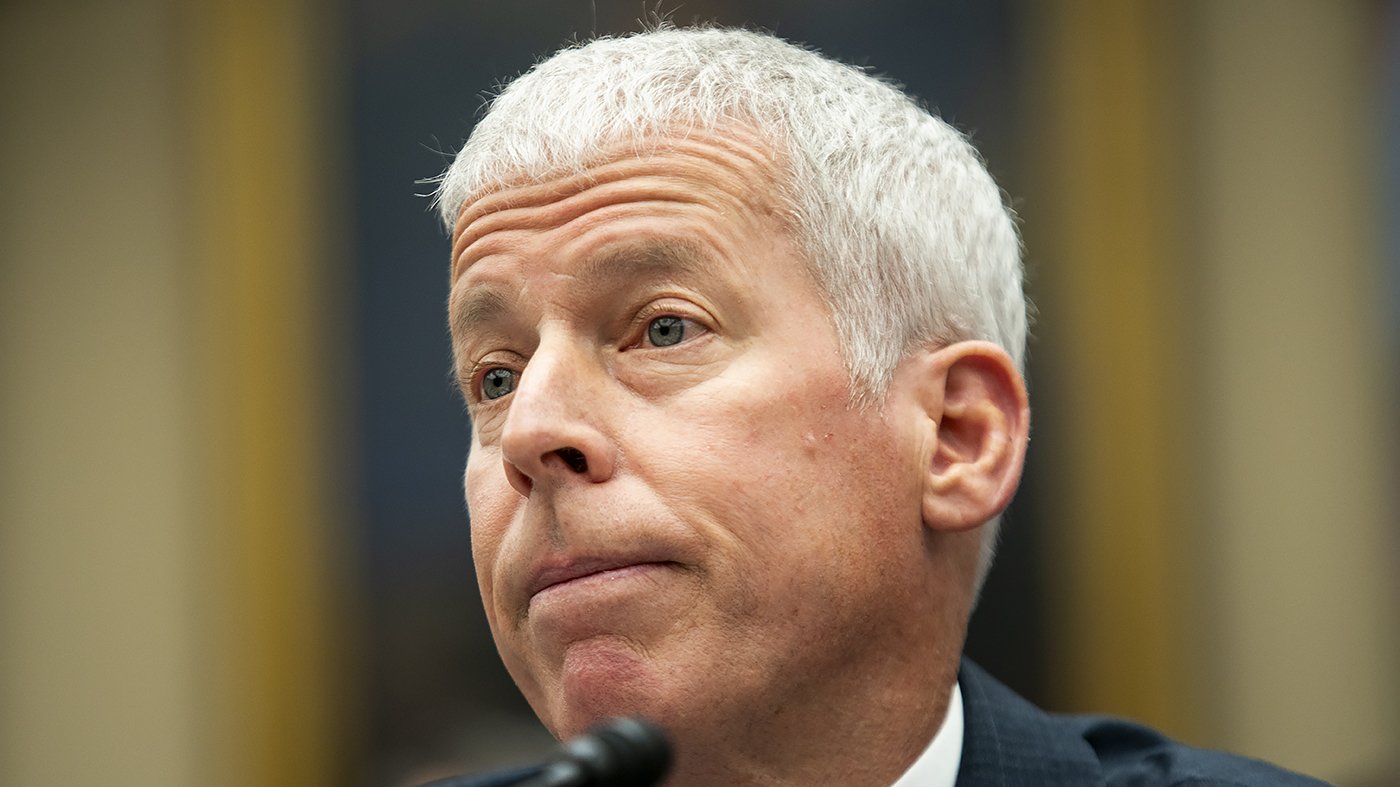
Energy Secretary Chris Wright declared Sunday that the United States “will continue to assure flow of traffic” through the Strait of Hormuz, more than a week after fighting between Washington and Tehran reignited. Speaking on ABC News’s “This Week,” Wright insisted the administration remains open to diplomacy even as military operations grind on.
“The president is always looking for the diplomatic off-ramp,” Wright told host Jonathan Karl. “President Trump wants to end it with a peaceful agreement with Iran, but it takes two parties to do that. If they’re ready to do that, that’s the way it’ll end.” He added, “If not, we will continue to assure flow of traffic through the strait without Iran’s cooperation.”
Karl pressed Wright on his earlier prediction that the conflict would wrap up in a matter of weeks. Back in March, Wright forecast the war would end “sooner than that.” Five months later, Karl asked for a new timeline. Wright explained that the initial military phase required four to six weeks, but after five and a half weeks of action, the administration paused to negotiate a memorandum of understanding aimed at letting oil flow without Iranian attacks. “They’ve proven unwilling to do that, and we’ve pivoted,” Wright said.
The energy chief outlined a dual strategy: ensuring oil and gas transit through the strategic waterway “with or without Iranian cooperation,” while simultaneously “degrading their offensive military capabilities.” That approach has included expanded strikes on Iranian infrastructure, as recent US operations have targeted ports, bridges, and energy sites in an effort to pressure the regime.
Wright’s track record on predicting the strait’s reopening and gasoline prices has been shaky. In April, he suggested gas prices would not fall below $3 “until next year,” a claim Trump called “totally wrong.” By May, Wright was “avoiding” price forecasts on CNBC’s “Squawk Box,” though he predicted the strait would reopen “sometime this summer at the latest.” He warned that if Iran “continues to hold the world economy hostage, the United States military will force the reopening of the Straits of Hormuz, but that’s not trivial to do.”
In June, after both sides agreed to a ceasefire, Wright told an Atlantic Council event that oil traffic through the strait would increase “very meaningfully.” Days later, he said flows were returning “back to normal.” That ceasefire has since collapsed, and hostilities have resumed, with Iran directing Houthi forces to block the Red Sea in retaliation for US strikes on energy sites.
Gas prices are now reflecting the renewed instability. According to AAA, the national average hit $4 on Sunday, up slightly from last month and more than 10 cents higher than the previous week. A year ago, the average stood at $3.15. The price climb underscores the economic stakes of the prolonged confrontation.
Wright’s comments come as the White House has ruled out talks with Tehran amid escalating strikes in the Strait of Hormuz. The administration continues to emphasize military readiness while leaving the door open for a negotiated settlement—if Iran is willing.